The House Came With a Construction Company
Tadao Ando wasn't satisfied that the concrete he wanted could be poured in Mexico, so his clients founded a builder and two men came from Japan to teach the crew. A specification is a bet on a workforce.
A specification is a promise about hands. You write off-form concrete, smooth face, ties on a regular grid, no patching, and the sheet goes out into the world with your name in the title block, and then somewhere down the line a person in boots has to make that sentence true on a Tuesday, in weather, on a slope, with the truck waiting. The drawing can't pour anything. The schedule can't either. Somebody has to know how, and that somebody has to be within driving distance, and if they aren't, the sentence you wrote is a wish.
Architects don't like to say this out loud, because the whole apparatus of the profession is built on the idea that the document is the work. The document is half the work. The other half is a crew.
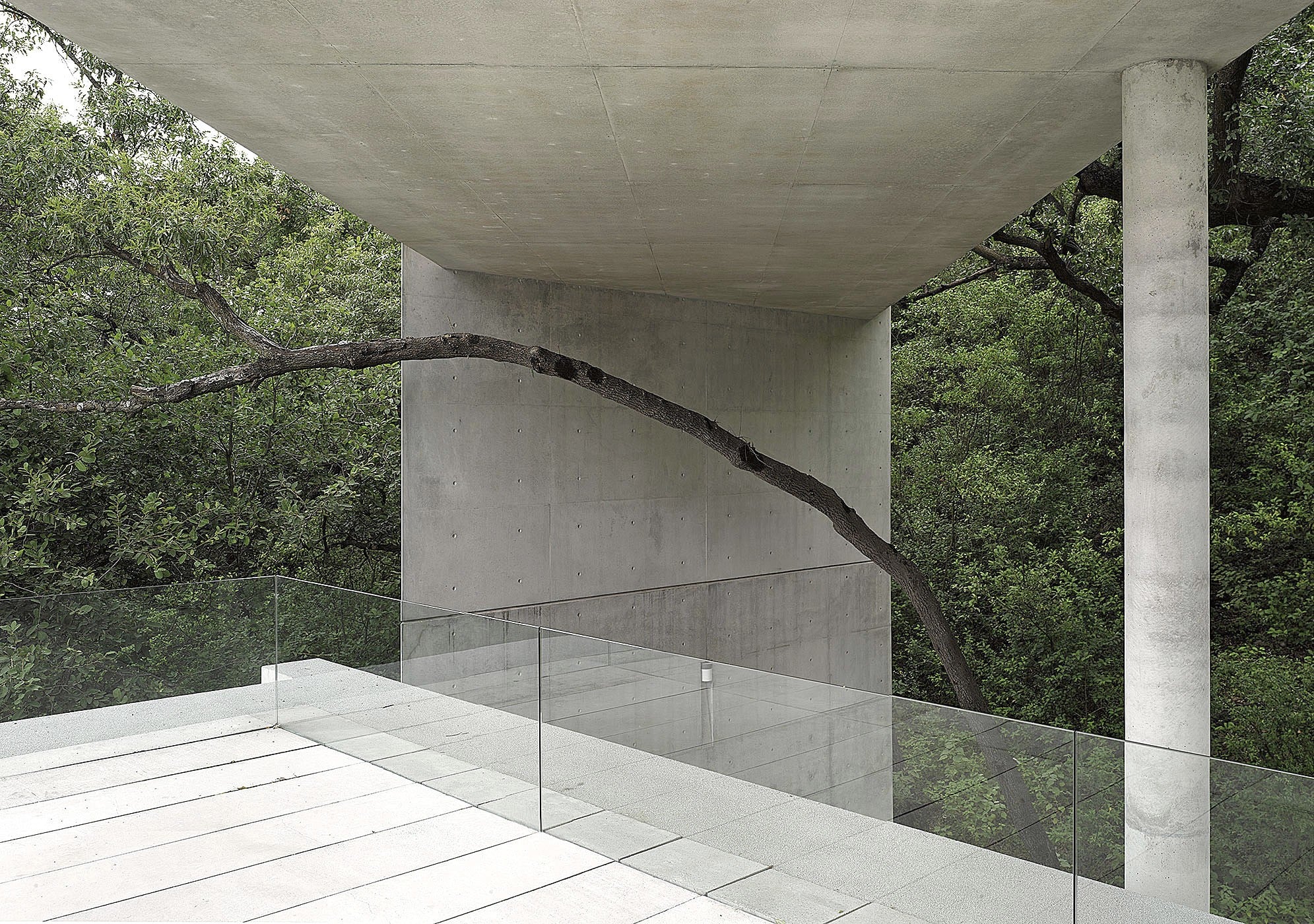
Casa Monterrey sits at 900 metres in the Cumbres de Monterrey National Park, three storeys and about 1,500 square metres of concrete pushed out of a hillside in the Sierra Madre. Ignant, writing it up in 2019, records that it was finished in 2014 and that it was Tadao Ando's first residential project in Latin America, and it records one detail that is worth more than the rest of the coverage put together: Ando was uneasy about the quality of concrete he could get built in Mexico, so his clients founded a construction company, Paralelo, to do it.
Read that again as a line item. The finish wasn't available, so the client bought the capacity to make the finish.
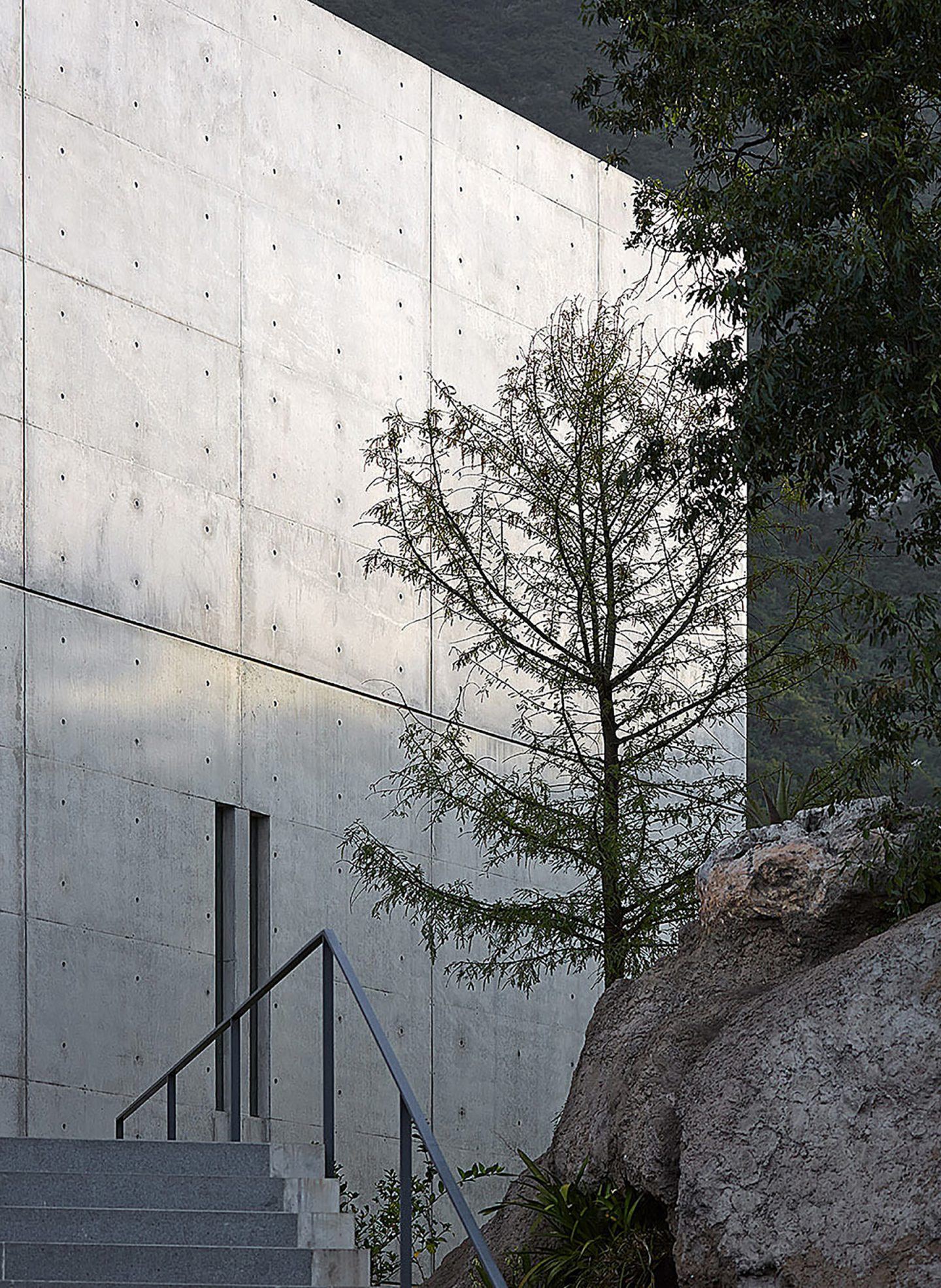
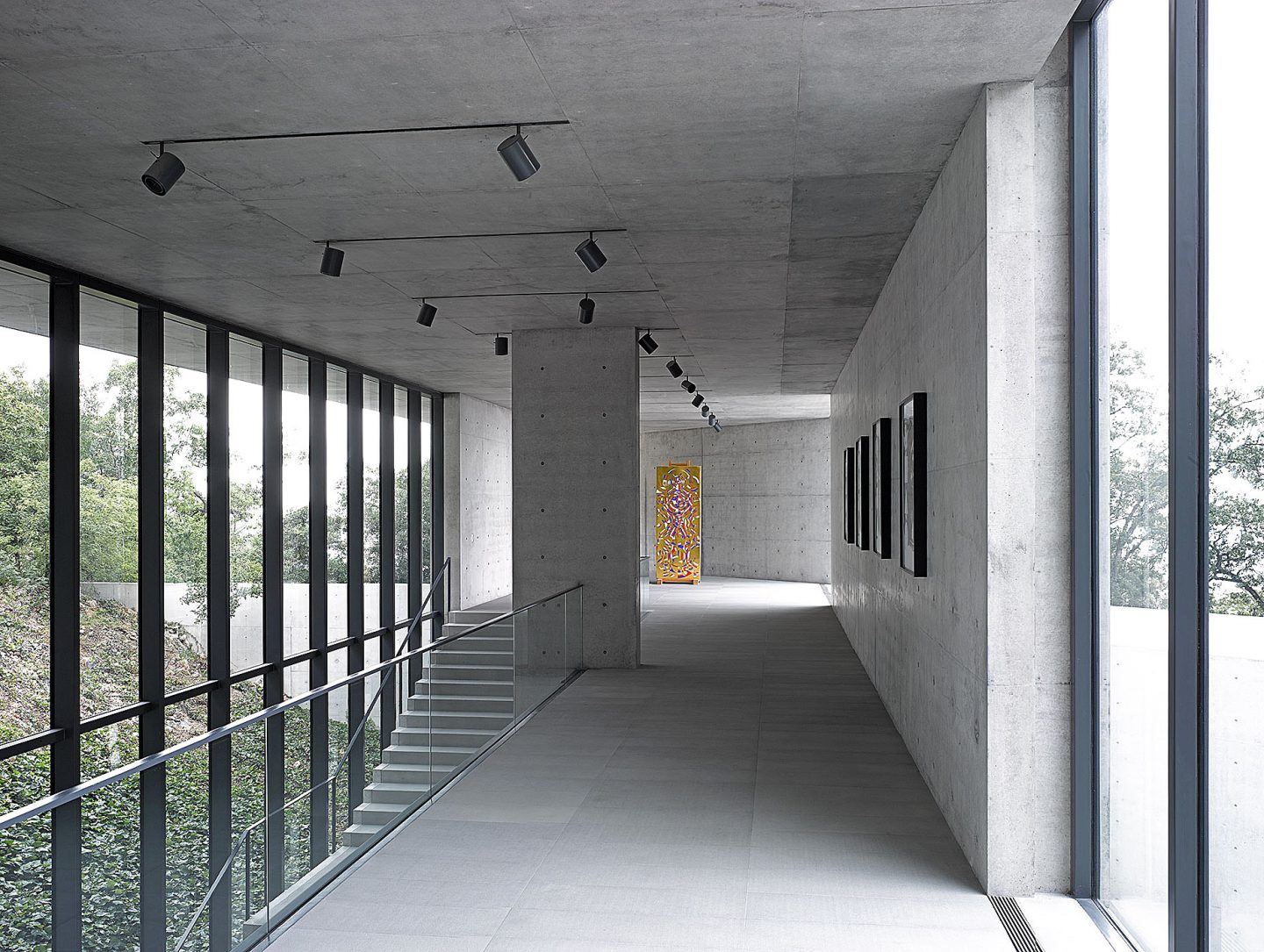
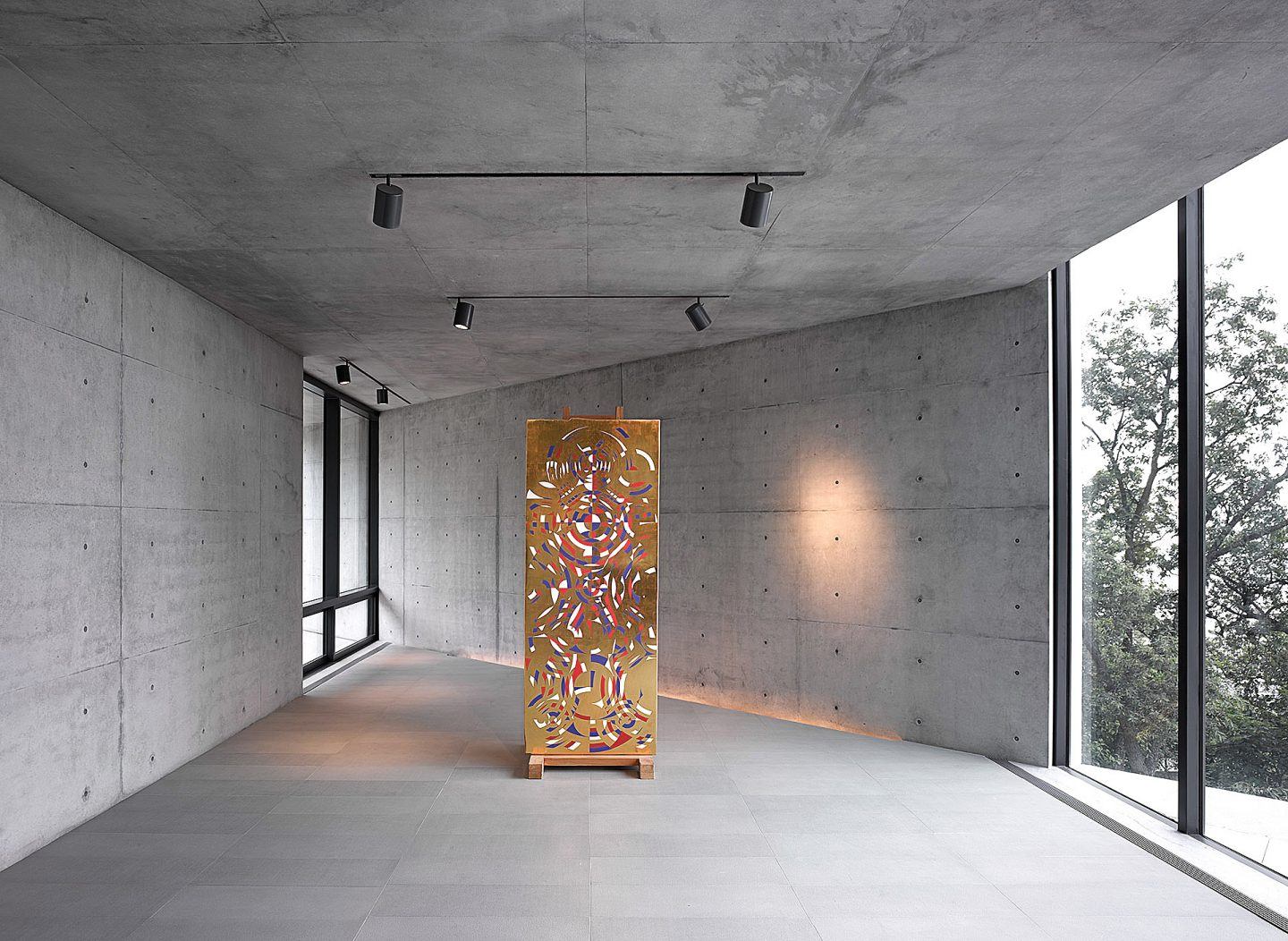
You can see what the money bought on any face of the building. The tie holes march in a grid that somebody set out before anything was poured, which means the panel layout was decided before the window was, and the wall was built to a drawing of its own blemishes. That is the part people miss about this kind of concrete. It isn't smooth because it was cleaned up afterwards. It is smooth because the formwork was joinery, and because the crew had been told that the marks are the finish and the finish is final.
Ignant also records that at Ando's request, two experts, Yukio Tanaka and Kohei Sugita, were sent from Japan to train the local workers. Two names, one line in an architecture story, and the entire project hanging off them.
Think about what that actually looked like. Two men got on a plane and spent however many months in the mountains outside Monterrey showing other men how to build a form, how to seal a joint so the grout doesn't bleed, how to vibrate the pour without segregating it, how to strike a face without chipping an arris, and then at some point they went home and the knowledge stayed, in Mexico, in the hands of people who had it now. Nobody will ever credit them for the building. The building will be credited to the man who asked for the standard.
A specification is a bet that somebody nearby knows how to do it.
Here's where it gets uncomfortable for anyone who does this for a living. Almost no client on earth can found a construction company to get a wall. We work the other way around. We get a sample panel that isn't quite right, and a subcontractor who's insulted by the comment, and a programme that has already eaten the week we'd need to do it twice, and at that point there are three honest moves and one dishonest one.
The honest ones: pay for the training and put it in the budget where everyone can see it, or change the material to something the available trade is genuinely good at, or change the detail so the finish doesn't have to carry the building. Plaster can be beautiful. Block can be beautiful. A painted wall in good light has settled more people than any board-formed concrete ever has.
The dishonest move is to draw the Ando wall anyway and then spend the back half of the job negotiating downward, which is how buildings end up with a skim coat and a story about what they were supposed to be.
The interesting thing about Casa Monterrey isn't the house. Houses in national parks are not a shortage. The interesting thing is that the capability outlived the commission. Paralelo exists. The workers who were taught to pour to that standard didn't forget it when the scaffold came down, and the next client in Nuevo León who wants a wall like that is pricing a trade that is already there, because one project paid to invent it.
That's the argument for doing the hard version once in a while, and it's a better argument than taste. A finish is a local skill, held by specific people, that either exists in your city or doesn't, and every time somebody pays properly for it, it exists a little more.
Ando has been saying one version of this for fifty years, usually in the language of light and geometry, and it comes out sounding like philosophy. On site it's labour. The wall is only as good as the morning it was poured, and the morning is only as good as the people who showed up.
Somebody taught them. That's the whole building.