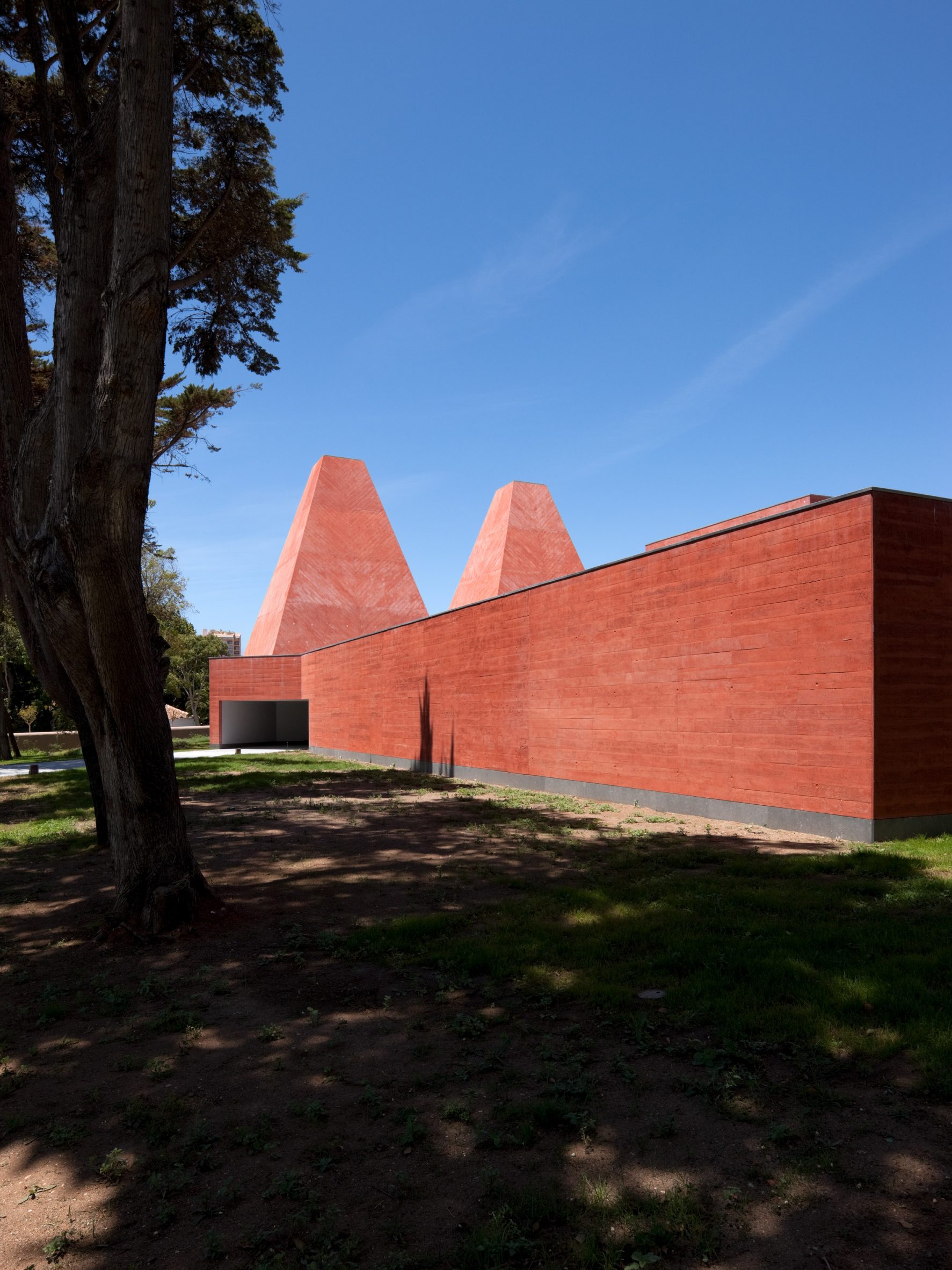
Paula Rego wrote to her architect by hand, and what she asked him for was not a museum but a house. That was most of the brief. Six words doing the work of the forty pages a committee would have produced, and doing it better, because a house is a set of rooms with sizes and a museum is a category with a gift shop. Eduardo Souto de Moura built the thing in Cascais, outside Lisbon, on ground that had been tennis courts belonging to an aristocratic club, and he has been walking through it for Dezeen in the last instalment of a video series on his work. The building is good. The brief is better, and the brief is the part worth stealing.
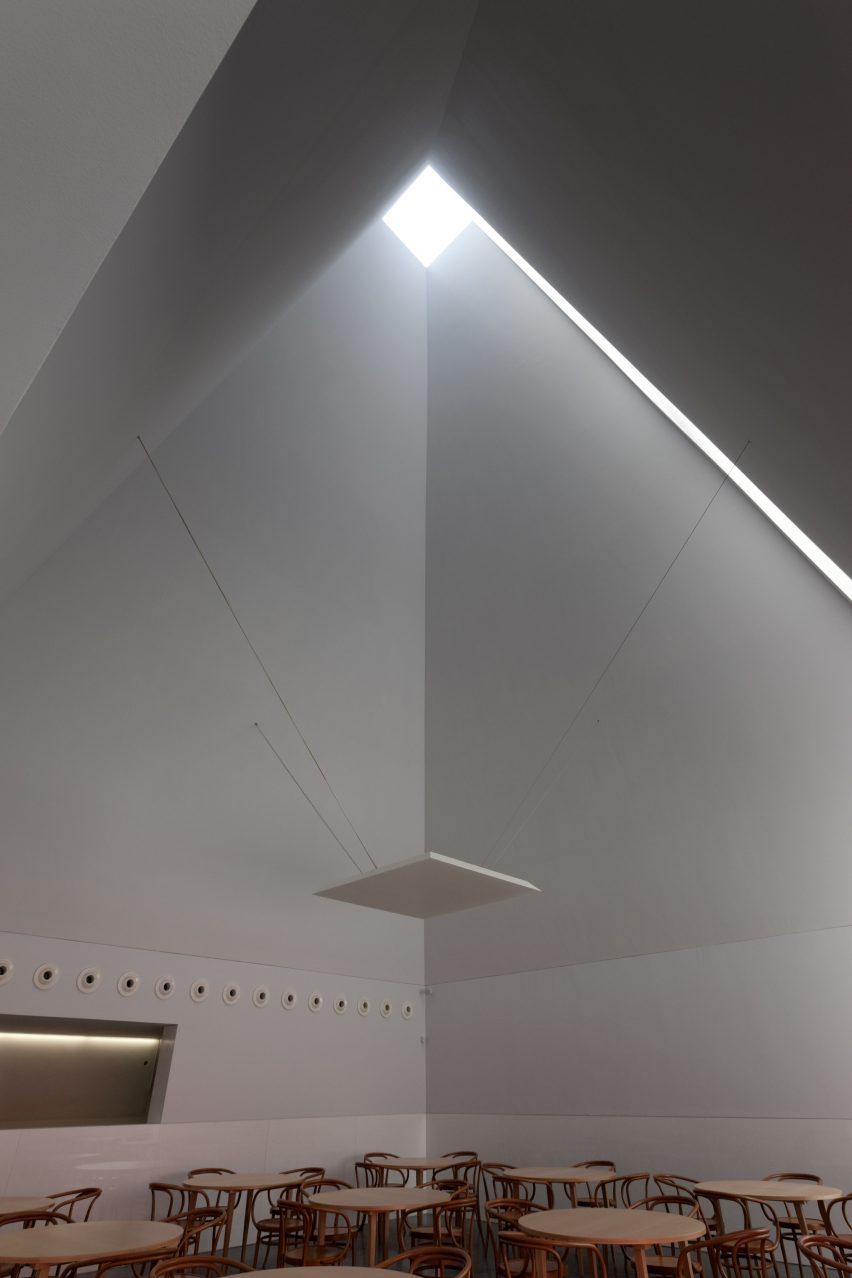
Here is what a house gets you that a museum does not. Rego''s own work runs from small lithographs to large paintings, so the rooms are sized against the work rather than against a standard gallery module, which means the proportions had to be decided early and could not be deferred. One space goes up eleven metres because temporary exhibitions turn up at dimensions nobody can forecast. "You never know what will appear. It could be trees or cars," Souto de Moura told Dezeen. That is a clearance dimension delivered as a joke, and it is the only honest way anyone has ever written a flexibility requirement.
We get asked for flexible space constantly. Flexible space is what a client asks for when the decision has not been made yet, and it costs money every time, because flexibility is bought in structure and in service runs and in ceiling height you then heat for thirty years. Rego did not ask for flexibility. She asked for a house, named the thing she wanted it to feel like, and left the dimensions to the person whose job they are.
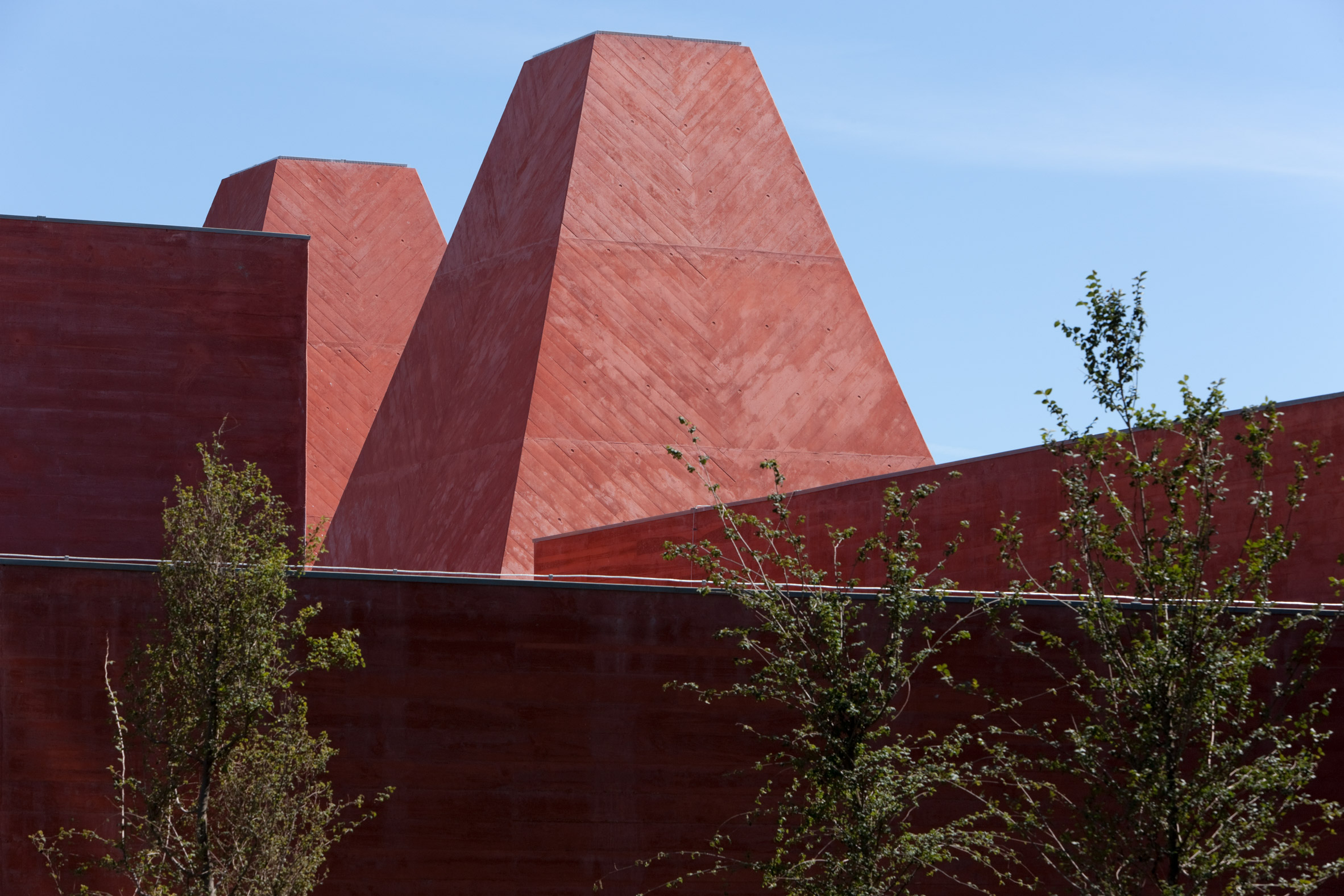
The concrete is red, and the red is in the mix rather than on the surface. This is the quiet discipline of the building and almost nobody writes about it, because pigment reads as a colour decision when it is actually a maintenance decision. Paint is a promise to come back in twelve years with scaffolding and a scope of work. Pigment is a refusal to make that promise. It also means the pour is the finish, so the formwork is the drawing: the walls carry a herringbone pattern from the timber they were cast against, the corners come in on the diagonal, and there is seating built into the fabric rather than bought later. Ando works this way and so did Breuer, and the reason is not purity. The reason is that there is no second coat to hide behind, so the trades have to be right on the morning of the pour, and everyone on the job knows it.
Above the woodland there are two pyramidal towers, which is where the argument lives. A museum dropped into dense trees could have disappeared, and plenty of architects would have called that respect for the site. "I didn''t want a building that hides with shame," Souto de Moura said. He reaches instead for Raul Lino, the Portuguese architect who spent a career on what a house in that landscape should look like, and he puts the towers up where you can see them from outside the trees. You can disagree with that. We would rather a building argue for itself and be wrong than sink into the hedge and be praised for tact.
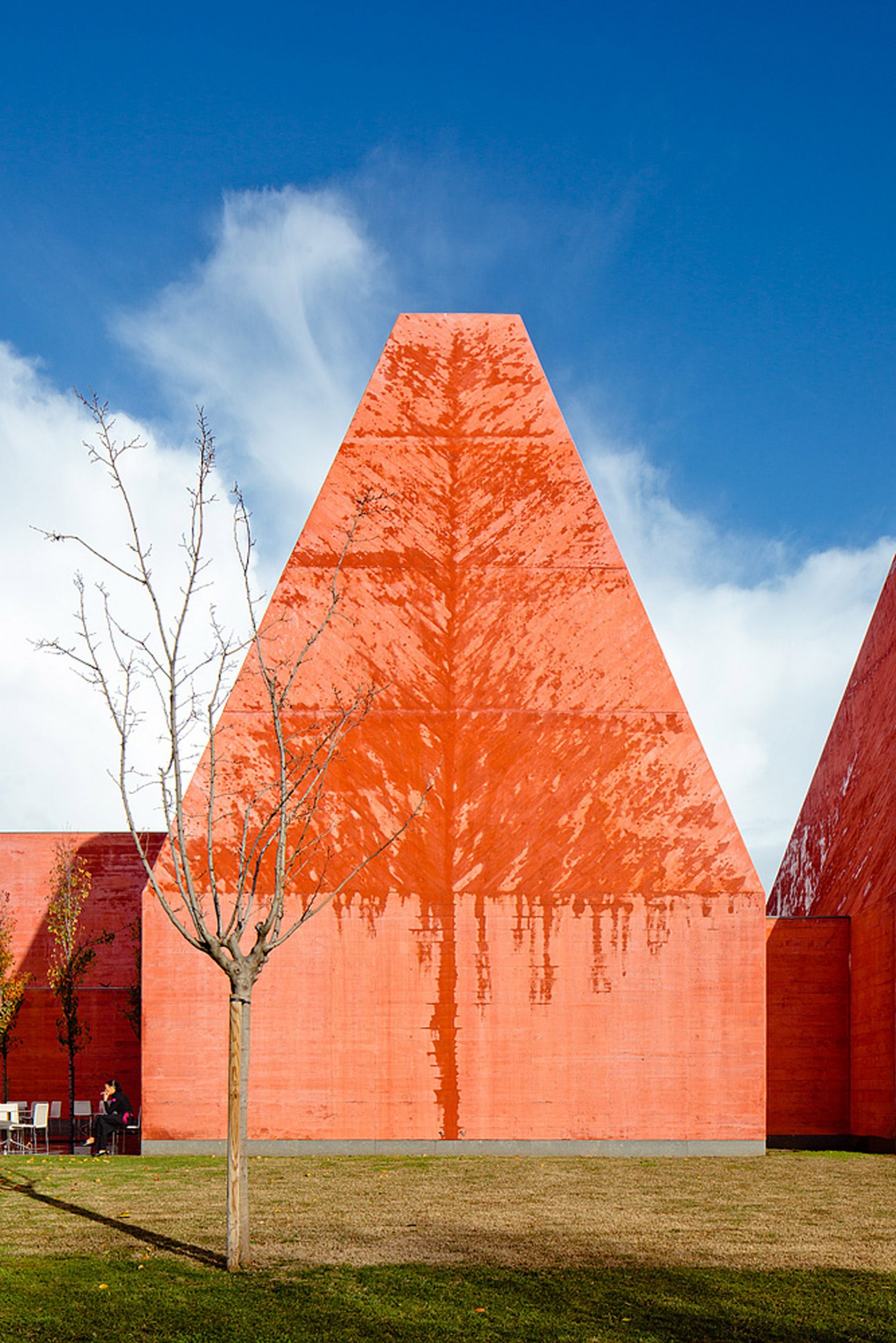
And then he says the thing that makes the whole profile worth your nine minutes. Asked about how the building has been received, he says: "Even donkeys like it. Which is bad, because with criticism we move forward."
Read that twice. A Pritzker laureate has looked at a building that everybody admires and filed it as a problem. Not false modesty, and not a pose. He means that a building nobody objects to has stopped putting a proposition on the table, and that the useful information about your own work arrives in the form of somebody telling you it is wrong. Our industry is organised almost entirely against this. We publish the project when the photographs are clean and the client is pleased, we collect the award, and the only criticism that reaches us is the kind that gets filed under snagging.
The donkeys are the part we keep thinking about, because universal approval is not the same as having been right. A great deal of work gets liked for the reasons it should be criticised: it is inoffensive, it photographs well, it looks like the last one. Casa das Histórias is not that building, and the proof is in the red, which somebody at some point must have argued about, and in the towers, which somebody must have wanted lowered.
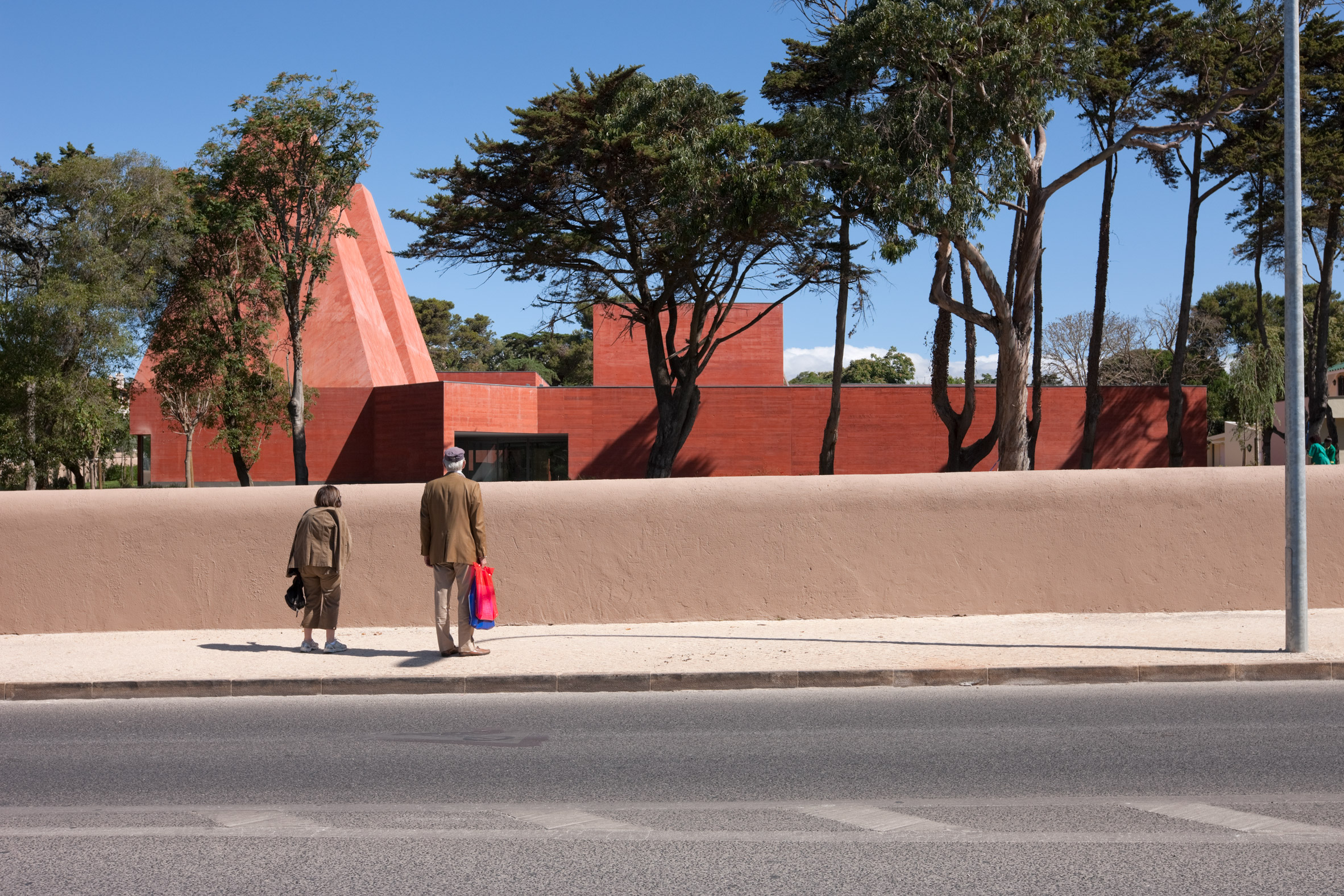
Stand in one of those rooms for a while. There is a wall you can put your back to, and a corner that comes in on an angle so your eye has somewhere to go, and a place to sit that was poured at the same time as the wall, and in front of you a painting by a woman who wrote to her architect in longhand and asked for a house. The building does not care whether the critics ever came. It holds the roof up and tells the truth about the morning it was cast, and it will go on doing both long after the reviews have been forgotten.
Nobody argued with it. He is still waiting.
Sources & Credits
- "Even donkeys like" the Casa das Histórias museum says Eduardo Souto de Moura, by Amina Amber, Dezeen, 9 April 2026. <https://www.dezeen.com/2026/04/09/casa-das-historias-museum-eduardo-souto-de-moura-video-profile/>
- All quotations from Eduardo Souto de Moura are as published in the Dezeen video profile linked above.
- Photography: Luís Ferreira Alves, via Dezeen, <https://www.dezeen.com/2026/04/09/casa-das-historias-museum-eduardo-souto-de-moura-video-profile/>