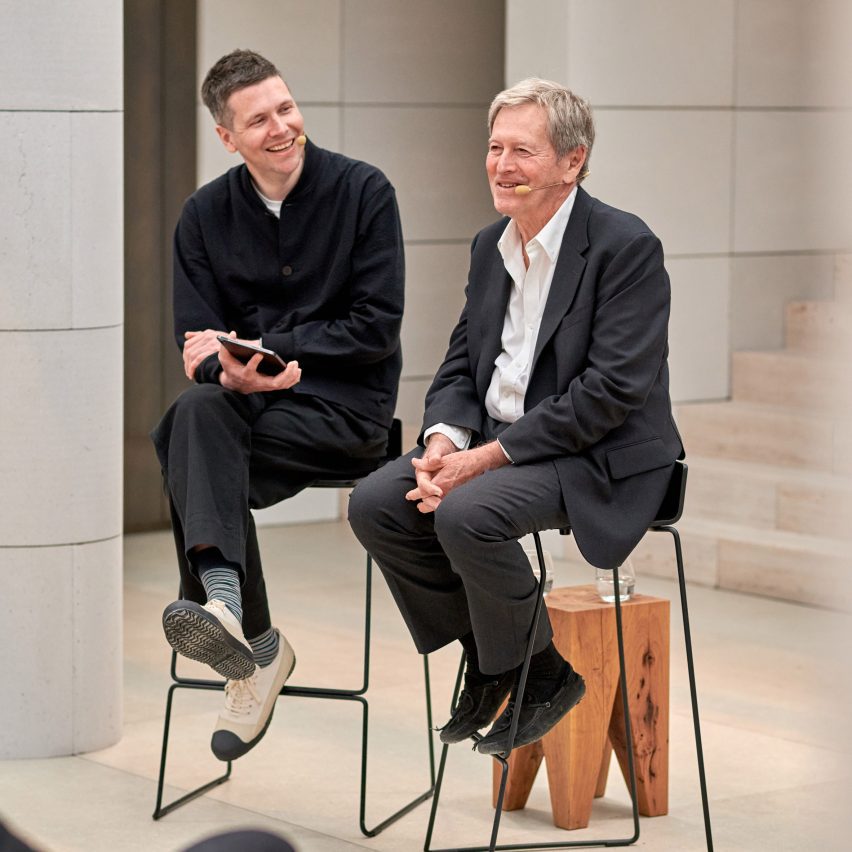
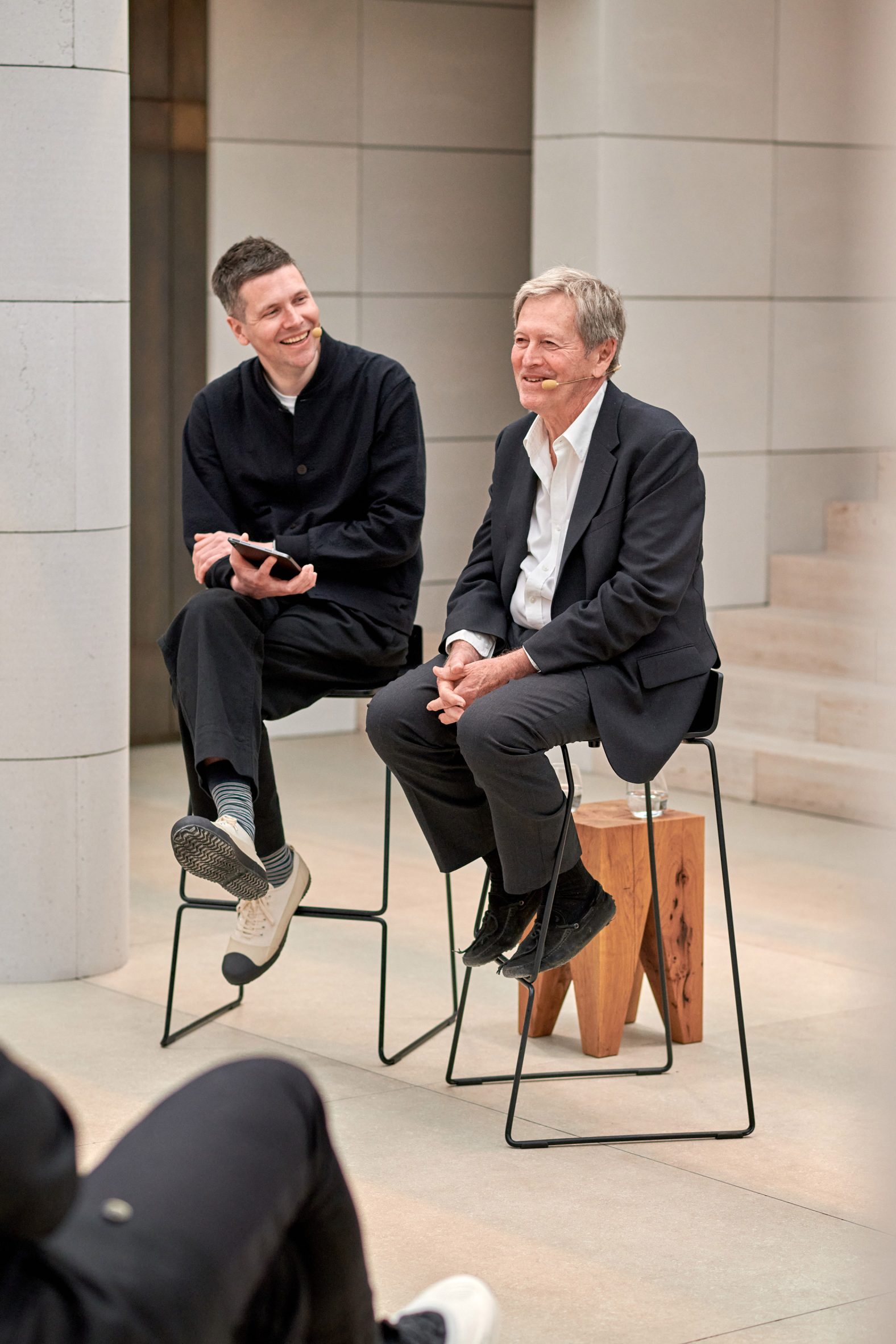
John Pawson did not become an architect for a very long time, and the reason was arithmetic. "I couldn't do maths, so I thought that precluded me from becoming an architect," he told Dezeen's editorial director Max Fraser at a Gaggenau talk in Milan this spring, as reported by Dezeen. So he went to Nagoya and taught English, and thought seriously about staying on as a Zen monk. His mother had her own plan for him, which he reports without visible bitterness: "[My mother] wanted me to be a missionary or something like that." He worked for his father for six years. He went around the world. And then, in his own accounting, "After working for my father for six years and travelling around the world, I finally went to school at 30."
Thirty. Most architects at thirty are three years into somebody else's office, drawing somebody else's stair details, and have long since stopped asking what a room is for.
We think about that sequence more than we probably should, because the discipline he arrived at late is the one the properly trained now copy on purpose. Walk into any new build with a long sightline and a flush reveal and a bench that looks like it grew out of the floor, and you are looking at a Pawson move, laundered through four or five firms and a software default. He has been at it forty years, which puts the start of the practice in the middle of the 1980s, back when the rest of the profession was putting broken pediments on office towers and calling it a conversation with history. While postmodernism crested, a man who could not do the maths was working out how two surfaces should meet.
Here is the thing people get wrong about minimalism, and it is not a small thing: it is not a palette. You cannot buy it. White plaster and oak and a concealed door closer do not produce it, and neither does deleting your furniture. It is a tolerance regime. It is a decision to hold every joint to a sixteenth when the trade is used to working at a quarter, and then to pay for that decision, and then to keep paying for it on the day the plasterer says it cannot be done and the schedule says he is right. Take the trim off a door and you have not simplified anything. You have moved the problem into the gap, where nothing is left to hide it, and now the gap has to be perfect for the life of the building. The plain room is the expensive room. Anybody who has ever priced a shadow gap knows this in their body.
Which is why the Nagoya detour matters more than the Zen does. The Zen is what the magazines take, because it is quotable and it comes with incense. What a person actually brings back from a few years inside Japanese building culture is not serenity. It is a standard: an expectation about how a piece of wood is supposed to land on another piece of wood, and a sense that the carpenter is a party to the design and not an obstacle to it. Tadao Ando's concrete works the same way. Those rooms read as calm and they are in fact the output of a brutal tolerance on formwork and a conversation with a contractor who agreed to hold it.
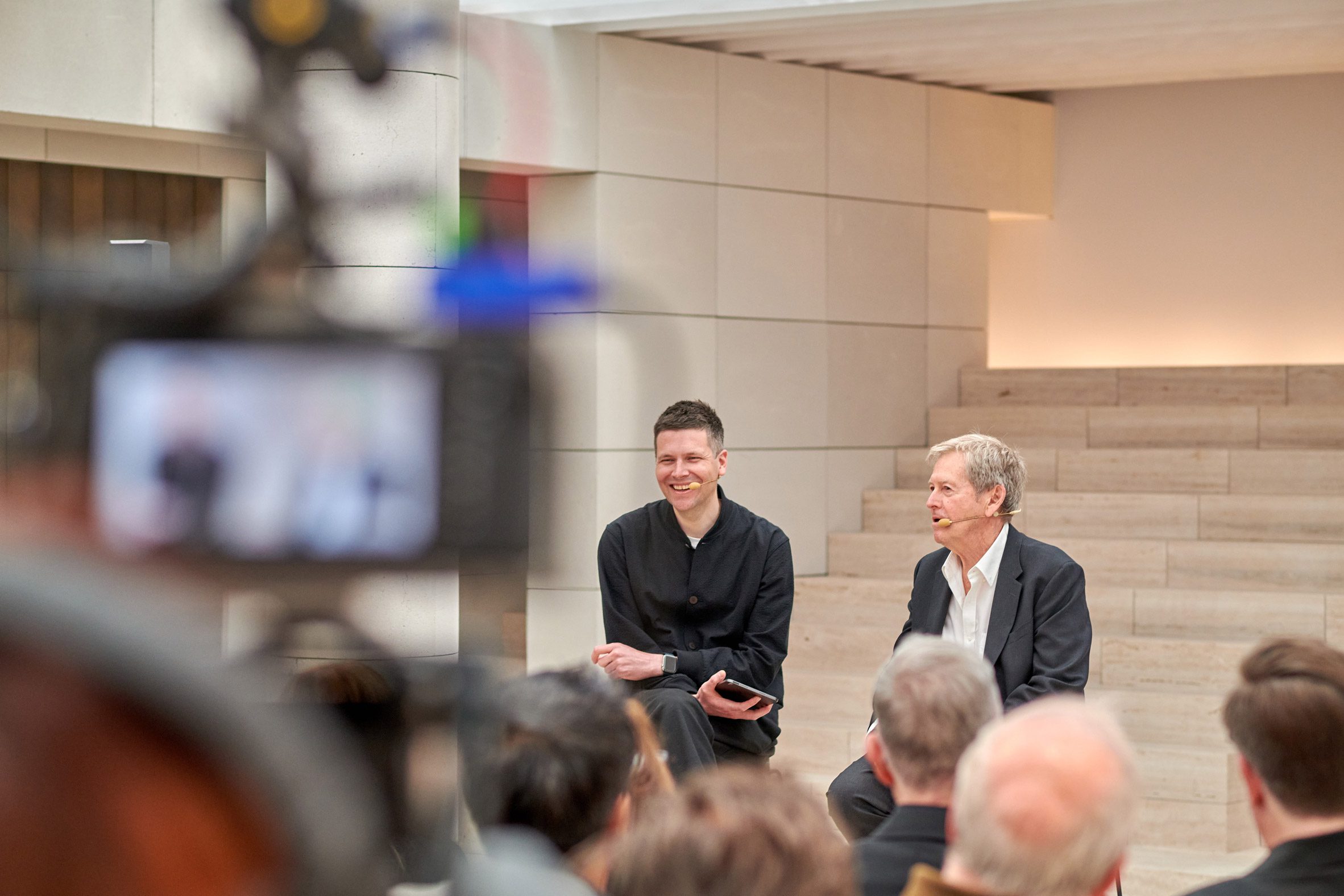
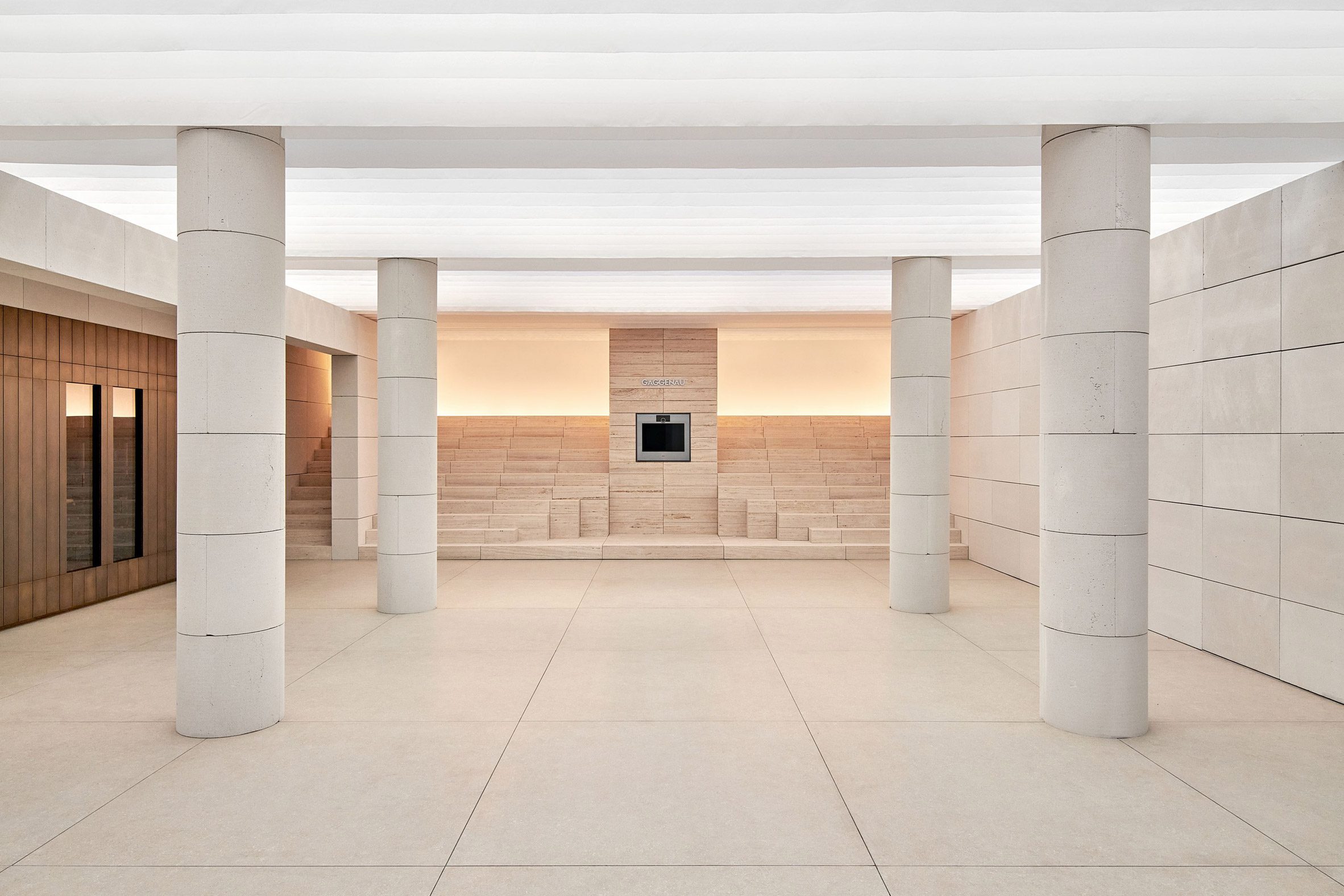
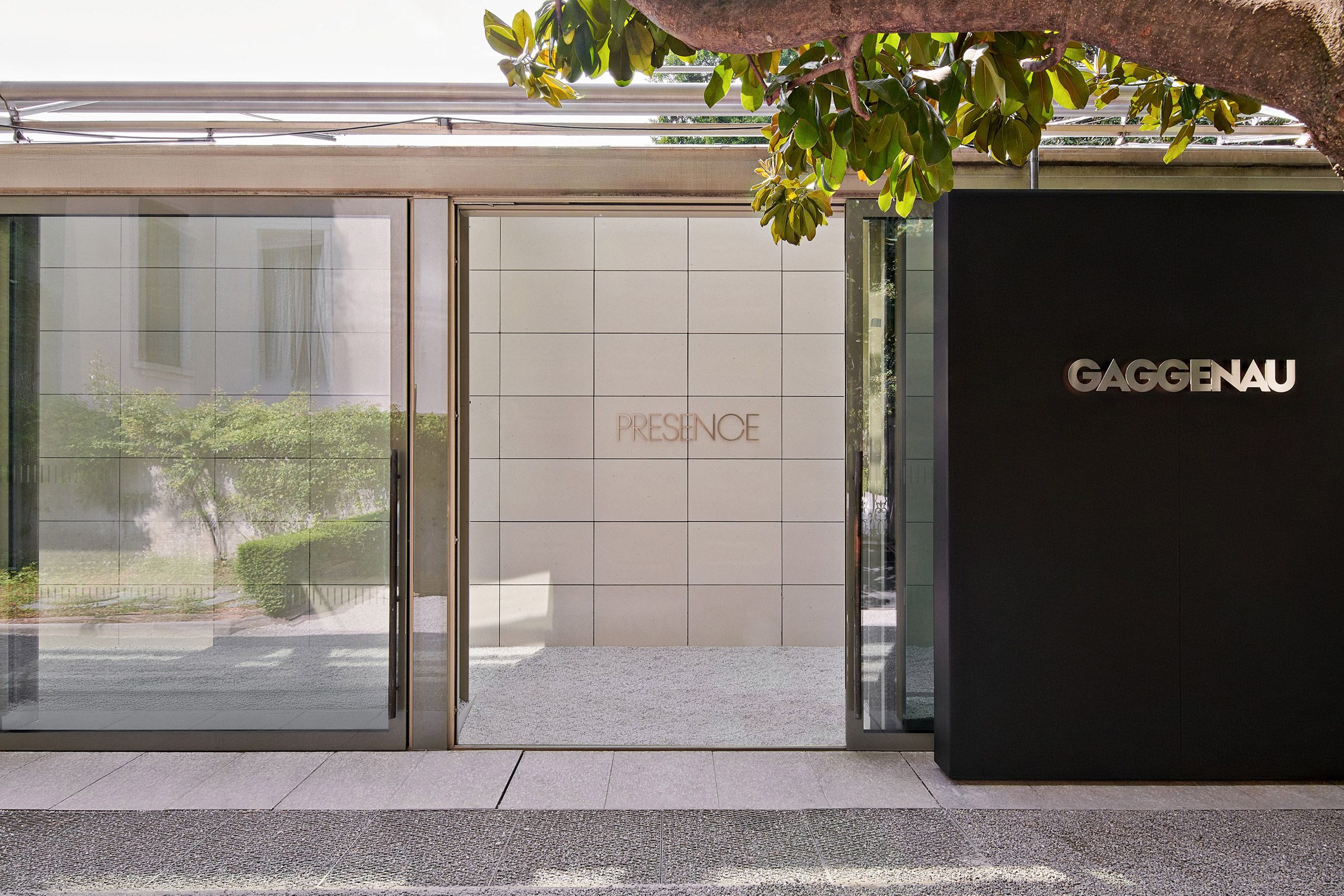
Now for the part that deserves a raised eyebrow. The occasion for all this candour was an appliance company's installation, called Presence, staged in the glass house at Villa Necchi Campiglio, filmed as partnership content, during the week when the entire industry flies to Milan to look at kitchens. Gaggenau has been making things since 1683, and what it was buying in that glass house was forty years of one man's restraint, rented by the hour, to put a halo over an oven. Everybody in the room knew it. The talk is still worth watching, and the oven is probably very good, and both of those facts can sit together without anybody pretending.
Pawson, to his credit, declines the costume. On being called Mr Minimalism: "Please call me anything you like. If you protest too much, you get into trouble." On the movement built in his name: "I'm not a proselytizer." On the doctrine itself, flattened to one line a client could actually act on: "The idea is not to have more than you need." That is not a philosophy. That is a scope note.
The detail from the talk we keep turning over is not about design at all. His studio runs at about twenty people, half of whom have been there twenty-five years, and they do not enter competitions. Read that as a position and not as trivia. Competitions are how a firm spends six weeks of unpaid labour for a one in nine chance, and the reason the industry runs on them is that there is always another twenty-six year old willing to lose. A studio that opts out is making a wager that the work will come anyway, and a promise to the people who draw it that their time has a price. "It's always been no compromise," he says, which sounds like the usual auteur noise until you notice he is also talking about payroll.
He says he has not been bored once in forty years: "There hasn't been one minute where I've been bored for 40 years." We believe him, and we think the reason is the arithmetic he could not do. He never learned to see a building as a structural problem with a finish applied at the end. He came at it from the room, from the inside, from the standpoint of a person standing in it trying to put something down on a surface. Houses, he says, stay "endlessly fascinating" to him. Forty years of flush reveals, and the man is still interested in where you set your glass.
The gap does not care how long you have been practising. It is either right or it is not.
Sources & Credits
- "I never set out to be an architect" says John Pawson at Gaggenau talk, by Calum Lindsay, Dezeen, 1 May 2026. https://www.dezeen.com/2026/05/01/john-pawson-art-of-simplicity-gaggenau-milan-talk-video-2026/ (all Pawson quotations, the Max Fraser moderation, the Presence installation at Villa Necchi Campiglio, and the Gaggenau company facts come from this report)
- Photography: uncredited on the source page, via Dezeen, https://www.dezeen.com/2026/05/01/john-pawson-art-of-simplicity-gaggenau-milan-talk-video-2026/