Least Cosy
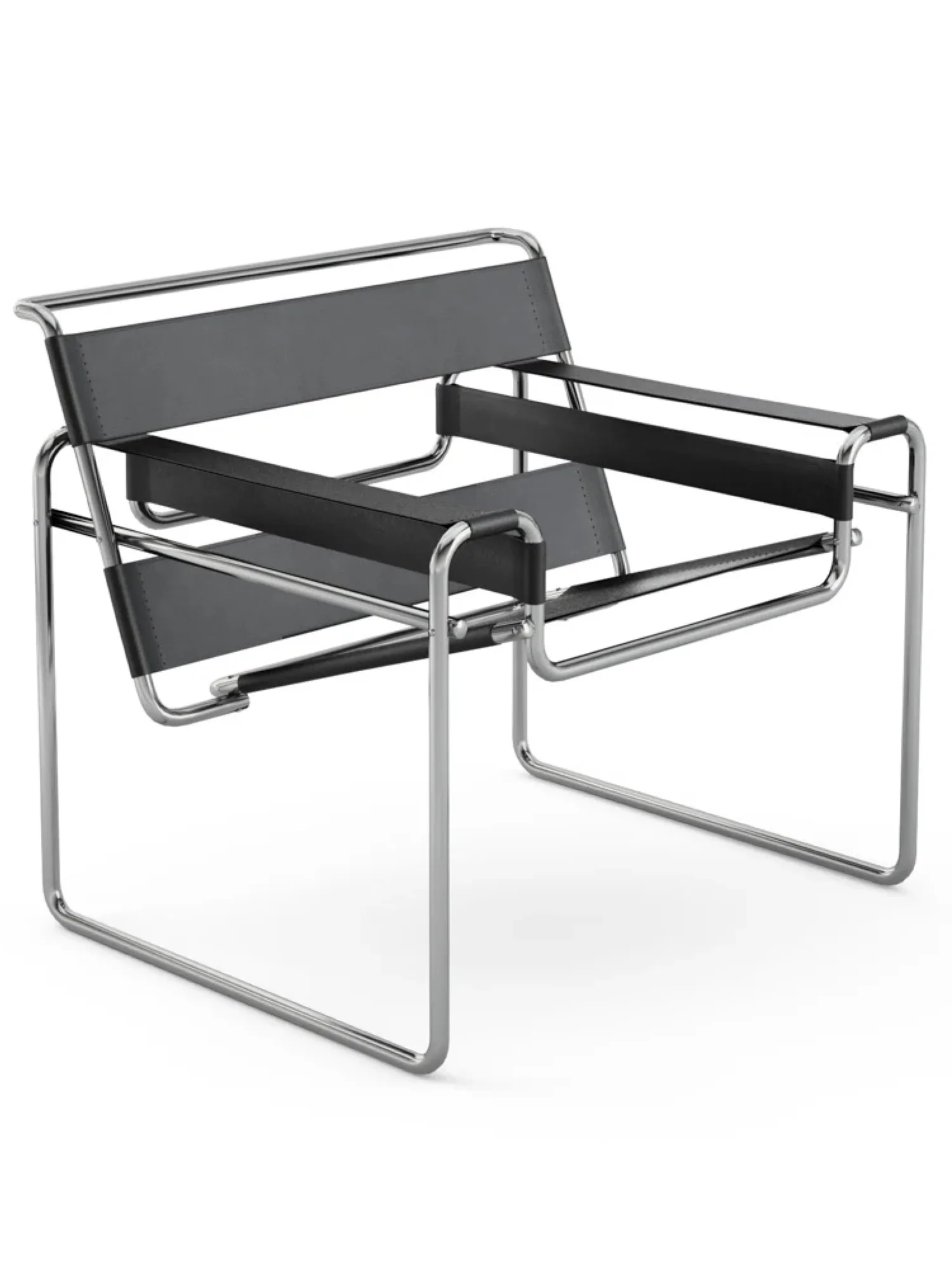
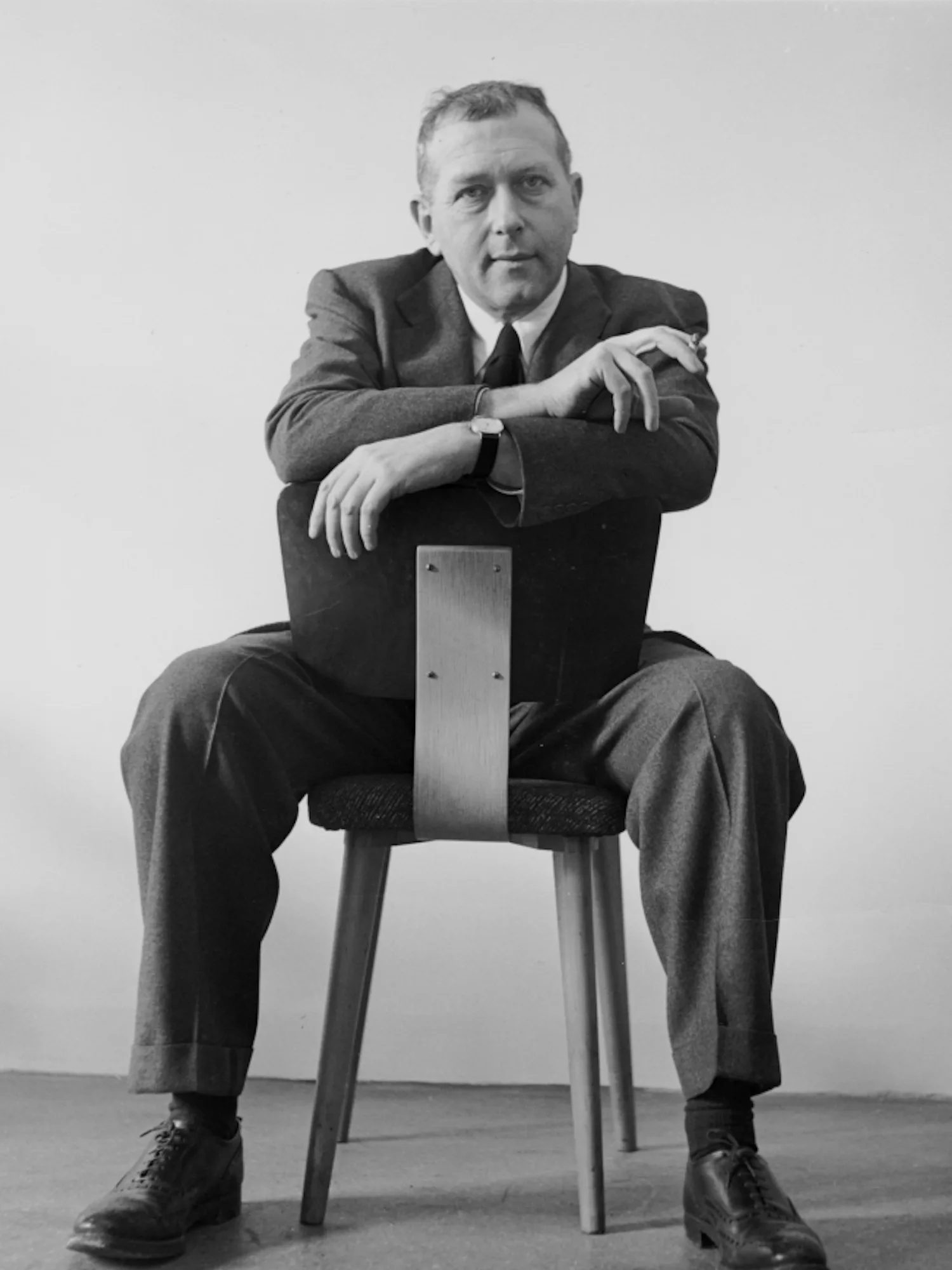
Marcel Breuer, describing the chair that would end up in more museum collections than anything else he ever drew, called it his "most extreme, least artistic, most logical, least cosy and most mechanical work." (est living)
Sit with the shape of that sentence for a second, because the sentence is the real object here. Five descriptors, and three of them are things the chair is not. Not artistic. Not cosy. Not moderate. He did not say it was a bold reimagining of what seating could be, and he did not say it invited you to slow down and reconnect, and he did not say it was a sanctuary for the modern body, and he did not gesture at wellbeing or ritual or the quiet luxury of the everyday, all of which is roughly the entire vocabulary now available to anyone selling a chair. He said it was logical and mechanical and that sitting in it would not feel like being held.
He was right. Anyone who has spent a full evening in a Wassily knows he was right.
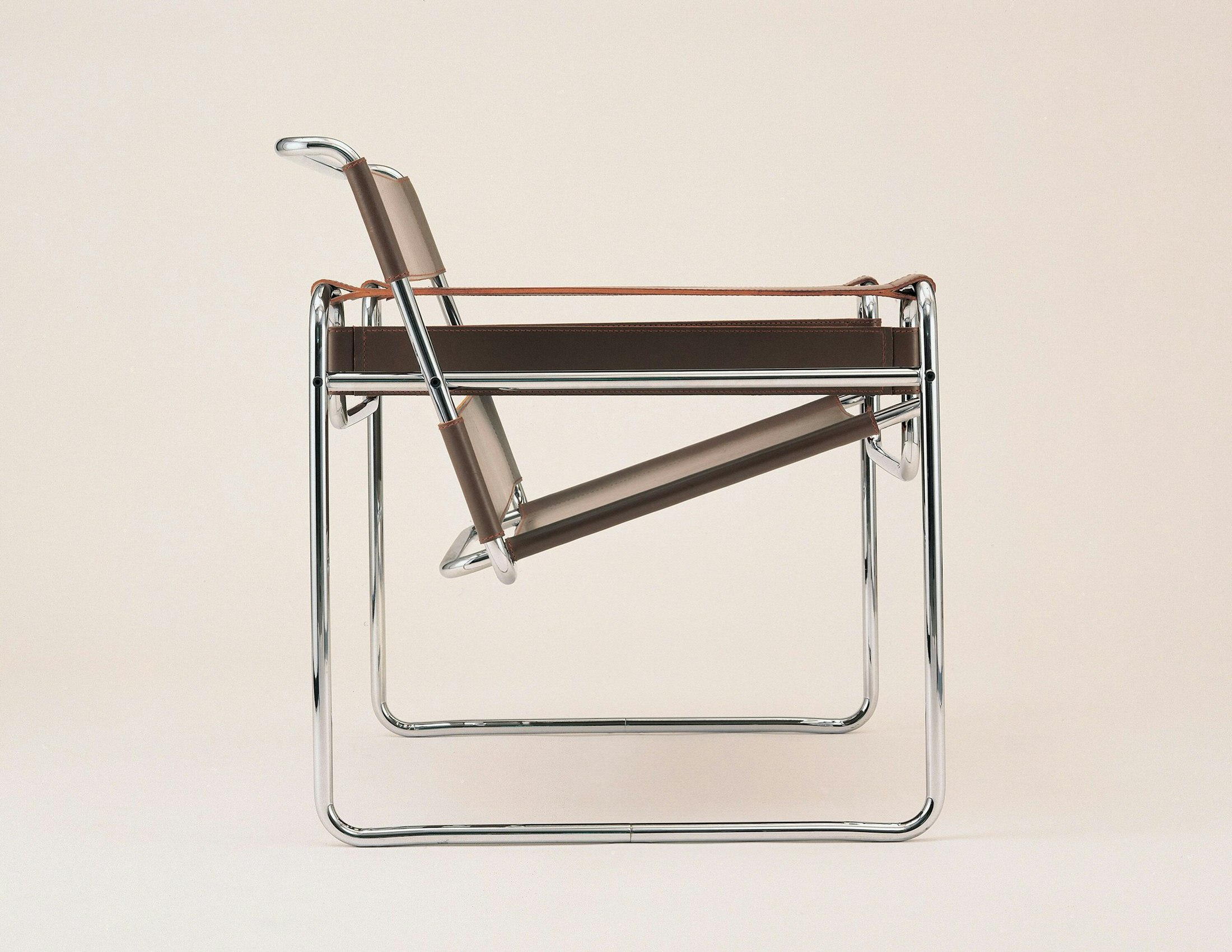
The chair went out into the world through Thonet, per est living's account, and it did not fade, and the reason it did not fade is not that people found it comfortable. It is that the thing is exactly what it says. Steel where steel does the work, fabric where a body has to touch it, and nothing anywhere doing a job it was not given. There is no upholstery hiding a frame. There is no skirt. There is no gesture toward warmth to soften the fact that you are sitting inside a diagram. A person can walk around it and read the entire argument in about four seconds, and then decide, honestly, whether they want to live with it.
Est living also passes along the story that many sources attach the chair to Vasily Kandinsky, who taught alongside Breuer at the Bauhaus, and notes that a copy ended up in Kandinsky's house on the Dessau campus, a house designed by Walter Gropius. Which is a good detail and also a slightly funny one, because the abstractionist who spent his life arguing that a painting need not depict anything went home and sat in a chair that had stopped depicting a chair.
Here is our position, and it is not a nostalgia argument.
The transferable part of Breuer is not the silhouette. The silhouette is available at every price point and it has been available for sixty years, and specifying it now means almost nothing about how you work. The transferable part is the sentence. It is a designer publishing the limitations of his own object, in his own words, without being asked, and letting the object win or lose on that.
We have lost this completely. Not partly, completely. Read any furniture description written in the last decade and count how many state a limit. A stone floor is warm and grounding, never cold in February, which it is. A concrete house is serene, never loud, which it is, and you can hear a dropped fork from the other end of it. An open plan is generous and connected, never a room where somebody cannot take a phone call, which it is. Every one of those things can still be the right decision. The Wassily is still the right decision in some rooms. But it is the right decision for people who were told the truth first, and only for them, and a client who was sold serenity and received an echo has been wronged even though the building is good.
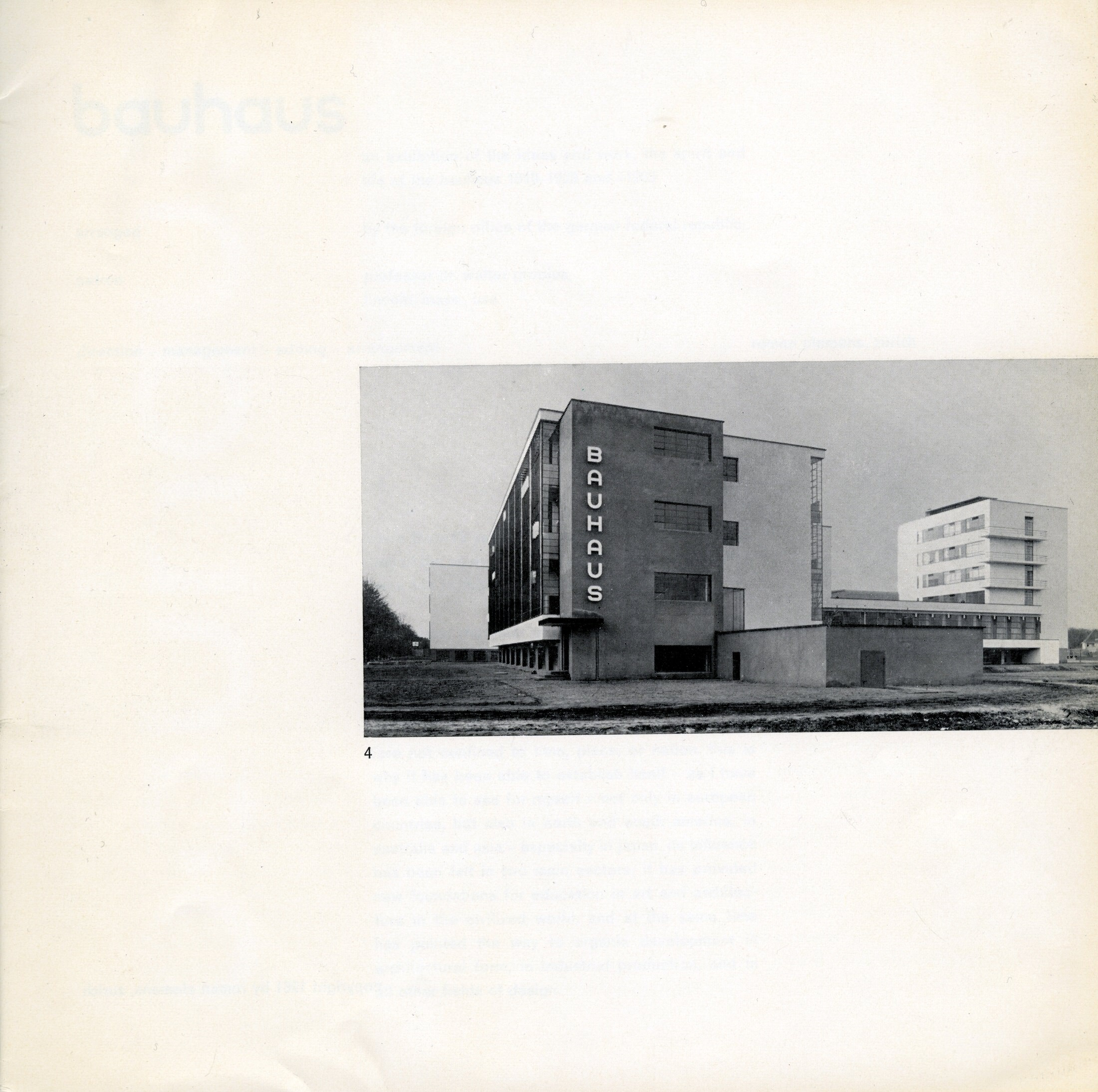
There is a real counterargument. Breuer could afford that sentence because he was working inside a school that had already agreed the point of a chair was not comfort, and the audience for a Bauhaus statement was other people at the Bauhaus. Say "least cosy" in a showroom in 2026 and you do not sell the chair, you sell the one next to it, and the person who wrote the honest copy loses their job to the person who wrote "envelops you." The market punishes accuracy. That is not a fault in designers, it is a fault in the incentive, and it is worth saying plainly rather than pretending everyone since 1928 has simply lacked nerve.
So the discipline has to be enforced where the market is not watching, which for us means the meeting where a client is choosing. Say the concrete will be cold underfoot in the mornings and here is what that costs to fix and here is what the fix does to the slab. Say the plaster will craze at the reveal in year three, and that we can detail against it, and that detailing against it will read heavier. Say the chair is beautiful and you will not want to read a long book in it. None of this loses the work. In our experience it does the opposite, because a person who has been told one uncomfortable true thing early will believe the next twenty things you tell them, and a person who has been sold serenity spends the whole job waiting to catch you.
Breuer put the limits in the same sentence as the achievement, which is the harder sentence to write and the only one worth anything a hundred years on.
The chair is still in production. It is still not cosy. Nobody was ever misled.
Sources & Credits
- "The ICON | Marcel Breuer's Wassily Chair," est living, 20 May 2024. <https://estliving.com/the-icon-marcel-breuer-wassily-chair/>
- "Knoll: A Design Love Story That Changed How We Experience Space Forever," Yellowtrace, 17 February 2025. <https://www.yellowtrace.com.au/knoll-brand-profile-hans-and-florence-knoll/>
- Photography: est living, via <https://estliving.com/the-icon-marcel-breuer-wassily-chair/>
- Photography: Yellowtrace, via <https://www.yellowtrace.com.au/knoll-brand-profile-hans-and-florence-knoll/>