The Material Never Failed
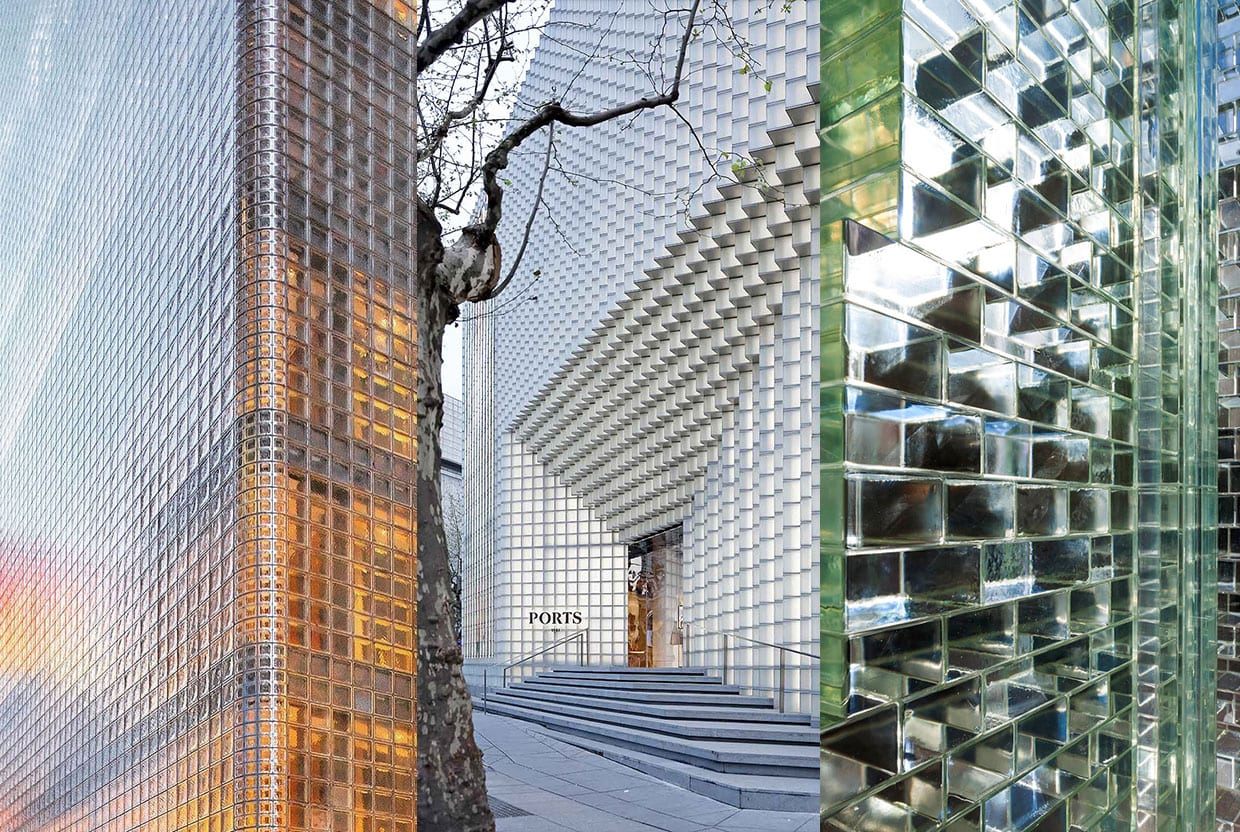
Say "glass block" in a room of designers and watch what happens to their faces. Yellowtrace opened its own case for the material by predicting exactly that reaction: "Go on. Admit it. The thought of glass blocks probably makes you shudder." Dana Tomić Hughes called it a "highly misunderstood and marginalised building material," noted that it entered commercial architecture nearly a hundred years ago and got used by serious architects on serious buildings, and then reported the fall. Through the late seventies and early eighties, she writes, glass block "was mocked and ridiculed, having fallen prey to ill use by average architects, and various dicky applications on shoddy 'feature walls'."
That is the whole story, and almost nobody tells it correctly. What went wrong in 1983 was not the glass. The glass is the same glass. What went wrong was that a material with unusually strict requirements got handed to a decade with unusually loose habits, and the decade lost.
Here is the difficulty, stated plainly. A glass block is a masonry unit that is also a window. It sits in mortar like a brick and it transmits light like glazing, and it belongs to neither trade. The mason does not think of it as glass. The glazier does not think of it as masonry. It arrives on site somewhere between the two scopes, which in practice means it arrives in nobody's scope, and it gets installed by whoever is standing there on the day.
It is also, and this is the part that gets skipped, almost never structural. A glass block panel is infill. It needs a head detail that lets the structure above move without loading it, and expansion material at the jambs, and horizontal reinforcing in the bed joints, and panel anchors, and a limit on how large one panel can get before it needs to be broken into two. Every one of those is a small, boring, buildable requirement. Every one of them was routinely skipped on the feature walls that made the material famous and then made it embarrassing. A cracked panel over a shower does not read to the public as a missing expansion joint. It reads as a bad idea from a bad decade.
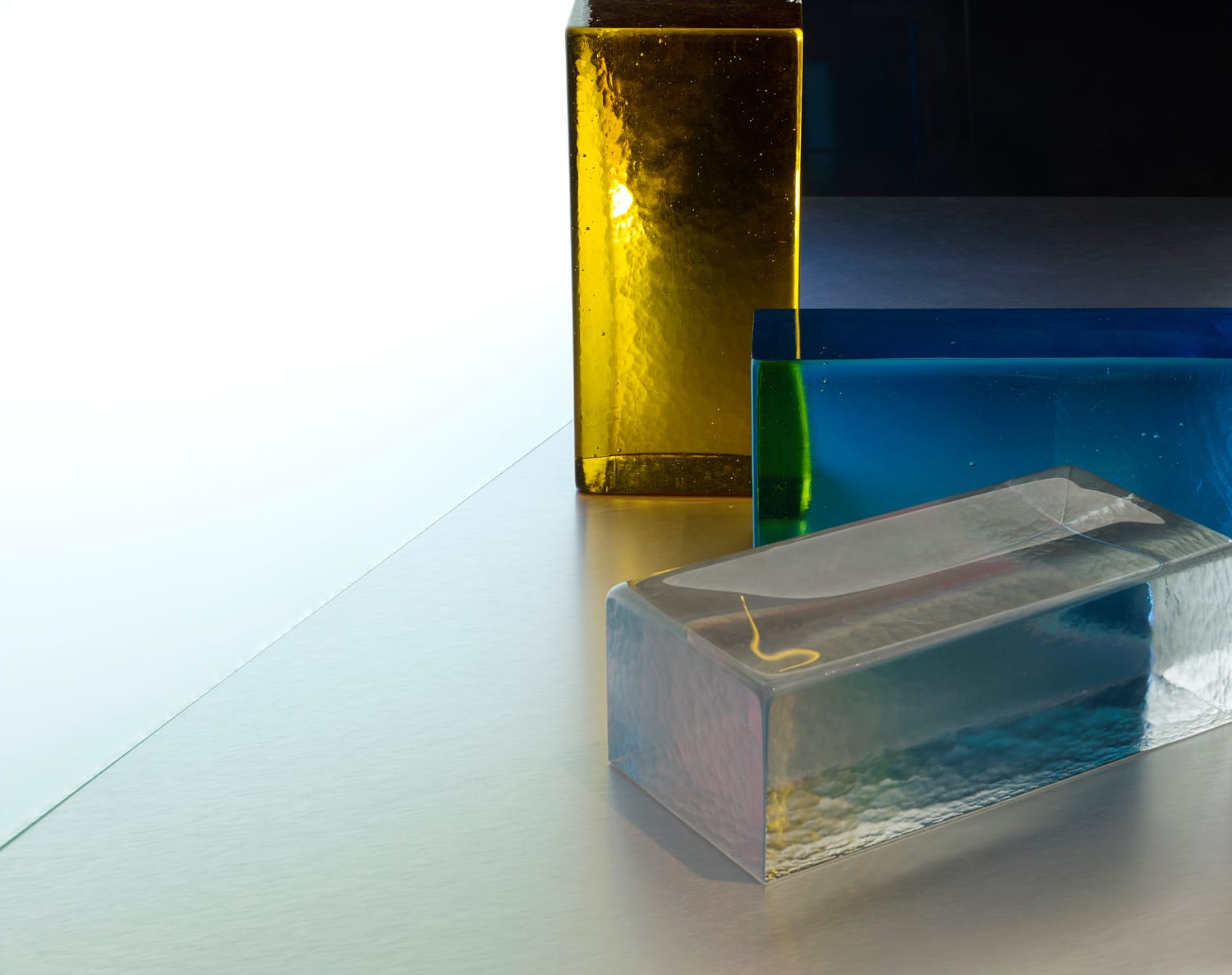
We are unsentimental about this. Glass block has real limitations and we would rather name them than defend the material out of affection. Thermally it is mediocre next to a modern insulated unit, and no amount of enthusiasm changes that. It gives you light and it takes away view, which is either exactly what you wanted or a serious problem, with no middle position available. It is heavy. It is slow to lay. It has a coursing module you cannot cheat, so the opening dimension is not up for negotiation once the block is chosen, and every architect who has tried to shave forty millimetres off a rough opening at the last minute has learned this in the least pleasant way.
But look at what it does that nothing else does. It carries daylight deep into a plan while remaining a wall. It gives you rigidity and privacy and fire performance in the same assembly where a window would give you none of them. It solves the specific and extremely common problem of a room that needs light from a side where a window is not permitted, or not wanted, or not possible. On a tight urban lot against a lot line, that is not a nostalgic gesture. That is the only tool in the box.
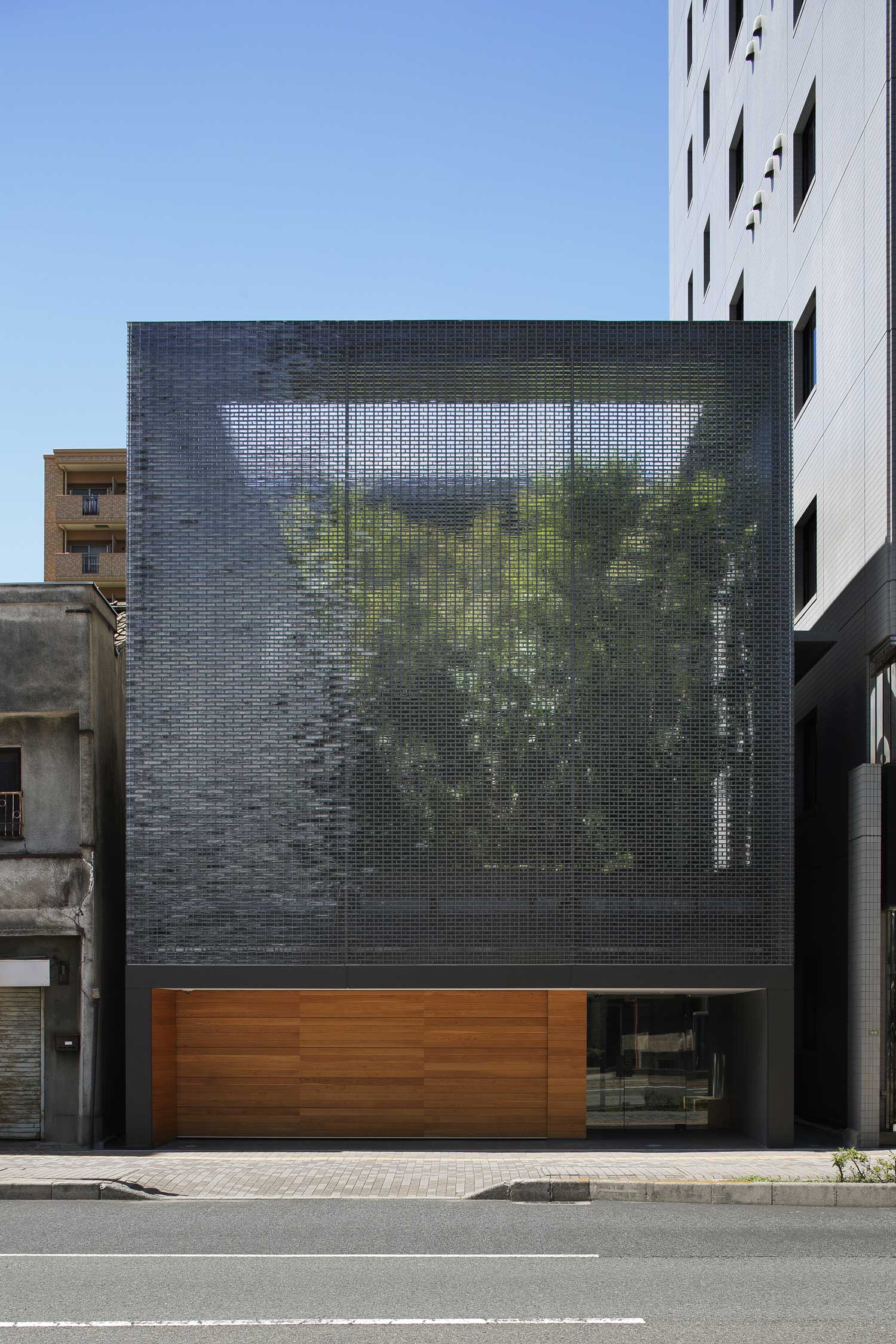
The best contemporary work with the material, and Hiroshi Nakamura's Optical Glass House in Hiroshima is the example everyone reaches for, treats the block not as a decorative panel but as the entire wall. One material, one plane, one job, no border, no trim, no apology. The moment you frame a small square of glass block inside a plaster wall as an effect, you have made the eighties mistake again, because the material has been demoted to jewellery. It is not jewellery. It is a wall that lets light through, and it is at its best when it is asked to be all of a wall rather than a highlight on one.
There is a lesson here that outlives glass block, and it is the reason this is worth a post at all. Materials do not have reputations. Details have reputations, and materials get the bill. Popcorn ceilings, vinyl, laminate, terrazzo, cork, brown brick, and every finish that has been through the cycle of adoration and disgrace and cautious rehabilitation, all of them went through it for the same reason: somebody worked out how to install the thing cheaply and fast, and did it everywhere, badly, for about a decade. Then the material sat in the penalty box while the fashion press wrote its obituary.
The material does not know any of this. The material is doing what it was made to do, which is to hold up its own weight and let the light in, and it will keep doing that in a wall detailed properly in 2026 exactly as well as it did in a wall detailed properly in 1938.
Specify it. Detail the head. Reinforce the beds. Let it be the whole wall.
Sources & Credits
- Dana Tomić Hughes, "Bricks Decoded: The Return of Glass Blocks," Yellowtrace, 18 March 2018. https://www.yellowtrace.com.au/return-of-glass-blocks-glass-bricks/
- All quotations from the Yellowtrace article at the link above.
- Photography via Yellowtrace, https://www.yellowtrace.com.au/return-of-glass-blocks-glass-bricks/. Final figure shows the Optical Glass House by Hiroshi Nakamura & NAP, as published by Yellowtrace.