Or Equal
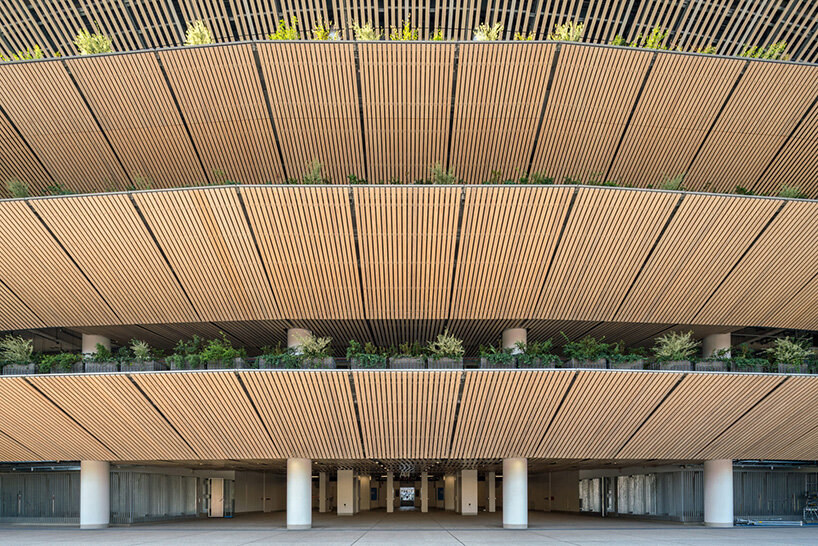
There are two words that appear somewhere in almost every specification ever written, usually in a small clause near the end of a section, and they are the reason most buildings look the way they do. The words are "or equal." They mean that the thing named in the document is a description of a performance rather than a description of a thing, and that the contractor may bring anything that meets the description, and that the person who made the named thing has no special claim on the job. They exist for good reasons. They keep prices honest and they keep a single supplier from holding a schedule hostage. They also quietly guarantee that nobody involved in the building is irreplaceable, which is the whole argument, and which is why Kengo Kuma's case for craft is harder than it sounds.
Kuma made that case to designboom this summer, and the framing is worth quoting exactly, because it is not the usual heritage sentiment. "I believe that learning about the wisdom of our predecessors is a far more sustainable act than merely conducting research on sustainability," he said (designboom). designboom notes that he has spent a career pushing against architecture's drift toward uniformity, and that for him craft "is not simply a matter of preserving heritage" but "a way of understanding the relationship between people, materials, and place."
That is a real position and we hold most of it. But we want to say where it actually lives, because it does not live in the drawing.
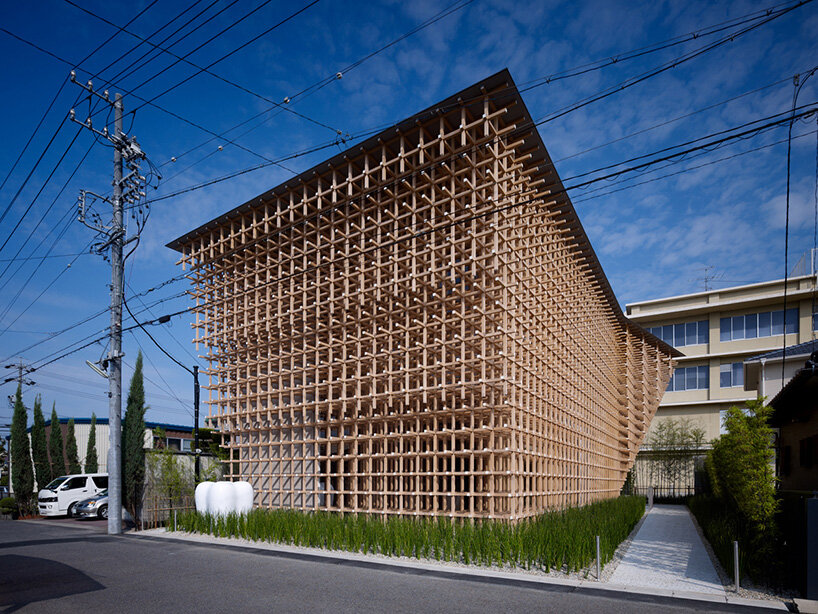
You can specify a species. You can specify a thickness, a moisture content, a grade, a mill, a finish, a fastener, a spacing, a tolerance, a submittal, a mockup, and a warranty period. You can write four pages about a piece of wood and get almost all of it right. What you cannot write is a spec section for a person who has spent thirty years watching how that particular timber moves in that particular valley, who knows which face to put out and which board to reject before it ever reaches the saw, and who will make a hundred small corrections on site that never appear in any document because they were never problems long enough to be written down. That knowledge is real, and it is not transferable through paper, and paper is the only instrument the contract recognises.
So the uniformity Kuma is arguing against is not primarily a failure of taste. It is the honest output of a delivery system designed from end to end to make people interchangeable. Low bid. Three quotes. Substitution requests. Or equal. Every one of those instruments exists because somebody, at some point, got burned by depending on a single pair of hands, and the industry decided that dependency was a risk to be engineered out. It worked. Risk went down. The hands went with it.
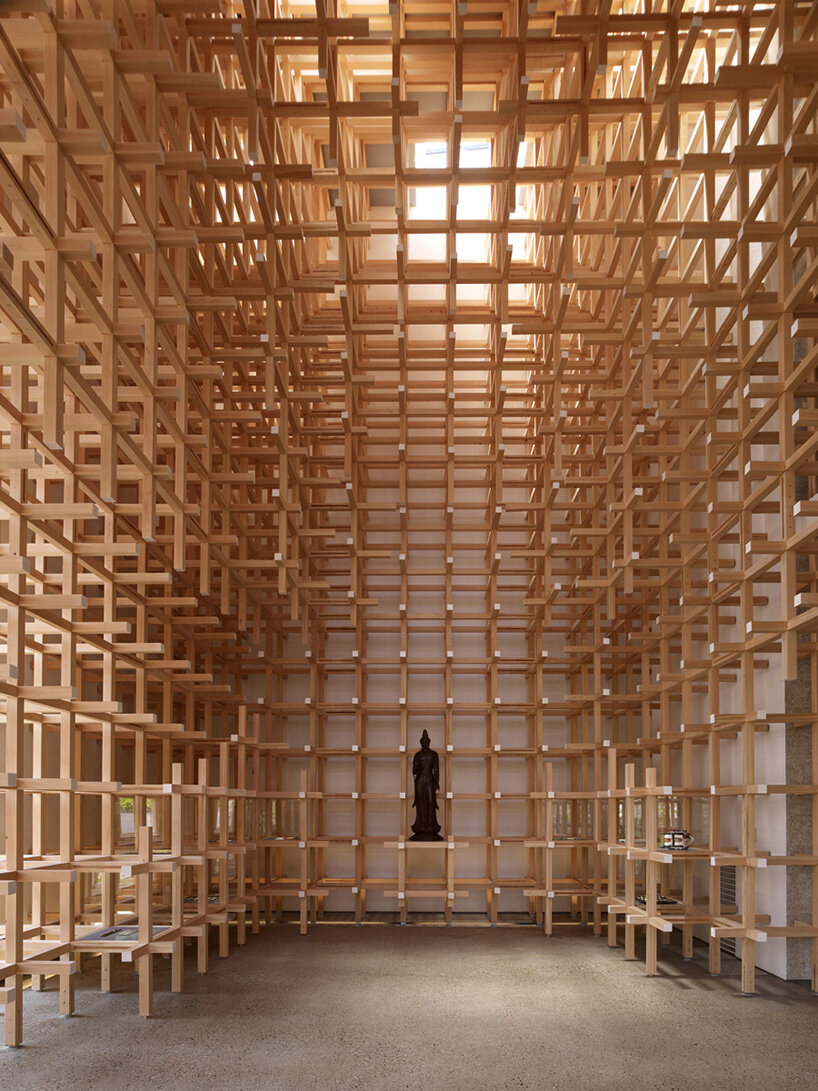
Which is why the biographical detail in the designboom piece is the most useful thing in it. Kuma got his education in craft, by his own account, working on small projects in rural communities shortly after setting up on his own, in places where local building traditions were still attached to the ground they came from. Read that as a procurement story rather than a spiritual one. A small job in a small place has a short chain. The drawing goes to the person who builds it, sometimes in the same conversation. There is no submittal log standing between the decision and the hand, because there is no room for one, and there is no substitution because there is nobody else within an hour who does this. Constraint did the work that intention usually fails to do.
The large urban job inverts every one of those conditions, and it does so for reasons that are not stupid. That is the part worth being honest about. Nobody put the layers of separation in the contract out of malice. They went in one lawsuit at a time.
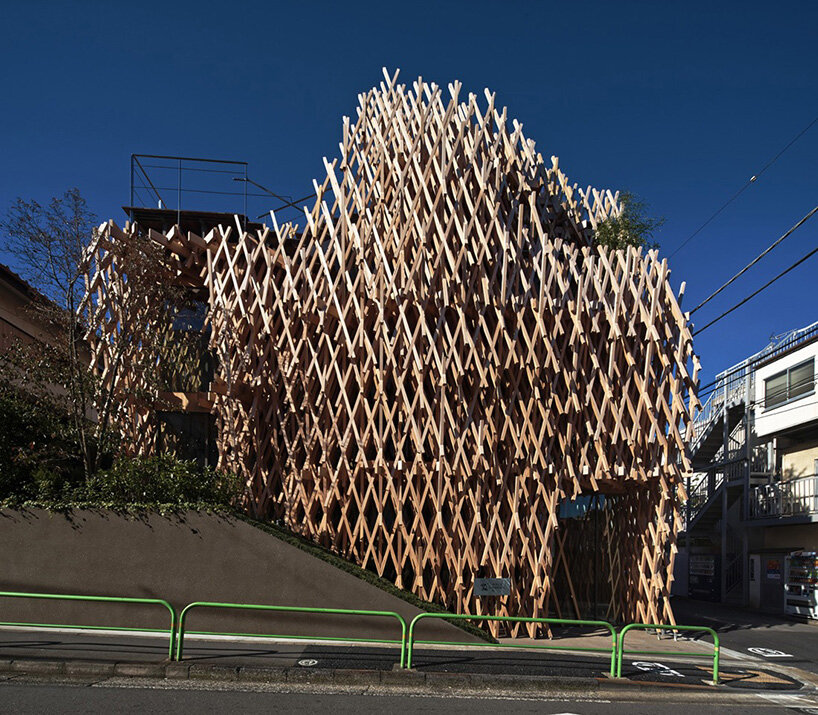
The other thing we owe the reader is the failure mode, because craft has one and it is common. Craft becomes a story told at the front desk. A hand-worked screen gets photographed once, at the right hour, by a good photographer, and after that it is a surface that somebody has to dust. The material came from four thousand miles away and the technique came from a workshop that closed, and what is being sold is not knowledge but the appearance of knowledge, which travels much more easily and costs a great deal less.
The test is plain enough. Ask whether the craft is doing work. Does the timber louvre actually cut the summer sun on the west face, or does it just read as warm in the render. Does the joint let the wall move, or did somebody draw a shadow gap and hope. Is the stone from a quarry that still cuts stone, with a person you could call on a Tuesday. If the answers are yes, the craft is structural in the real sense, whether or not it is holding anything up. If the answers are no, you have bought standardization with a better photograph, and the building does not care either way.
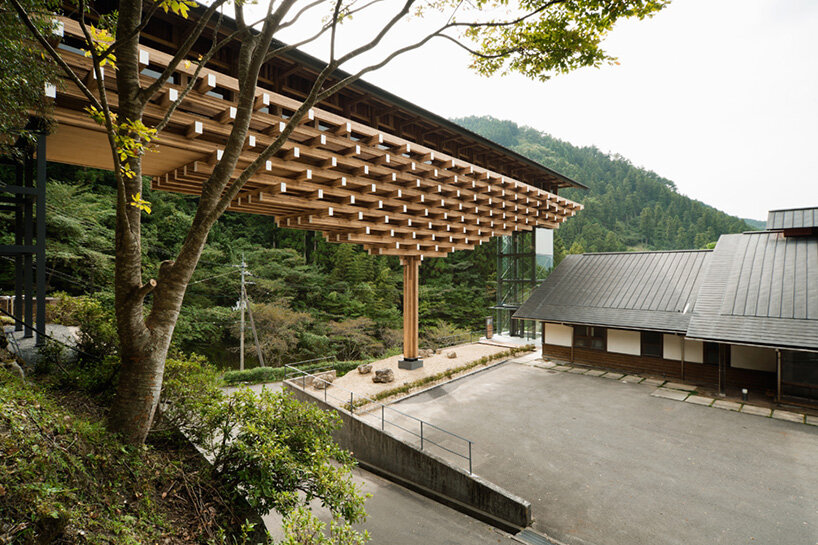
So here is the working version of Kuma's argument, for anyone who has to put it into a job rather than into a lecture.
Name the person, not just the product. Get the fabricator into the room during design development rather than after the bid, when the only remaining question is whether they can hit a number somebody else invented. Buy the material early, because craft runs on lead time and lead time is the first thing a schedule eats. Draw less and detail more, since the detail is where the maker's judgment either has somewhere to go or does not. And when value engineering arrives, know in advance that the craft line is the one with the weakest paperwork, the softest performance case and the easiest substitution, which is precisely why it will be the first line called. Decide before that meeting which of it you will defend and which of it was always decoration, because you will not be able to work it out in the room.
Craft is not the opposite of standardization. Craft is what standardization cannot write down, and the reason it keeps disappearing is not that we stopped admiring it. It is that we keep writing "or equal" underneath it and then acting surprised.
Sources & Credits
- Thomai Tsimpou, "kengo kuma on why craftsmanship remains architecture's connection to place," designboom. All quoted material is from this interview.
- Photography: designboom, via designboom.