Somebody Had to Choose the Dead
Every furniture company with a long enough history eventually inherits a filing cabinet, and in the filing cabinet are drawings by people who are no longer available to be asked what they meant, and somebody currently alive has to open that cabinet and decide which of those drawings goes back into production and which stays in the drawer. This is presented to the public as reverence. It is closer to triage.
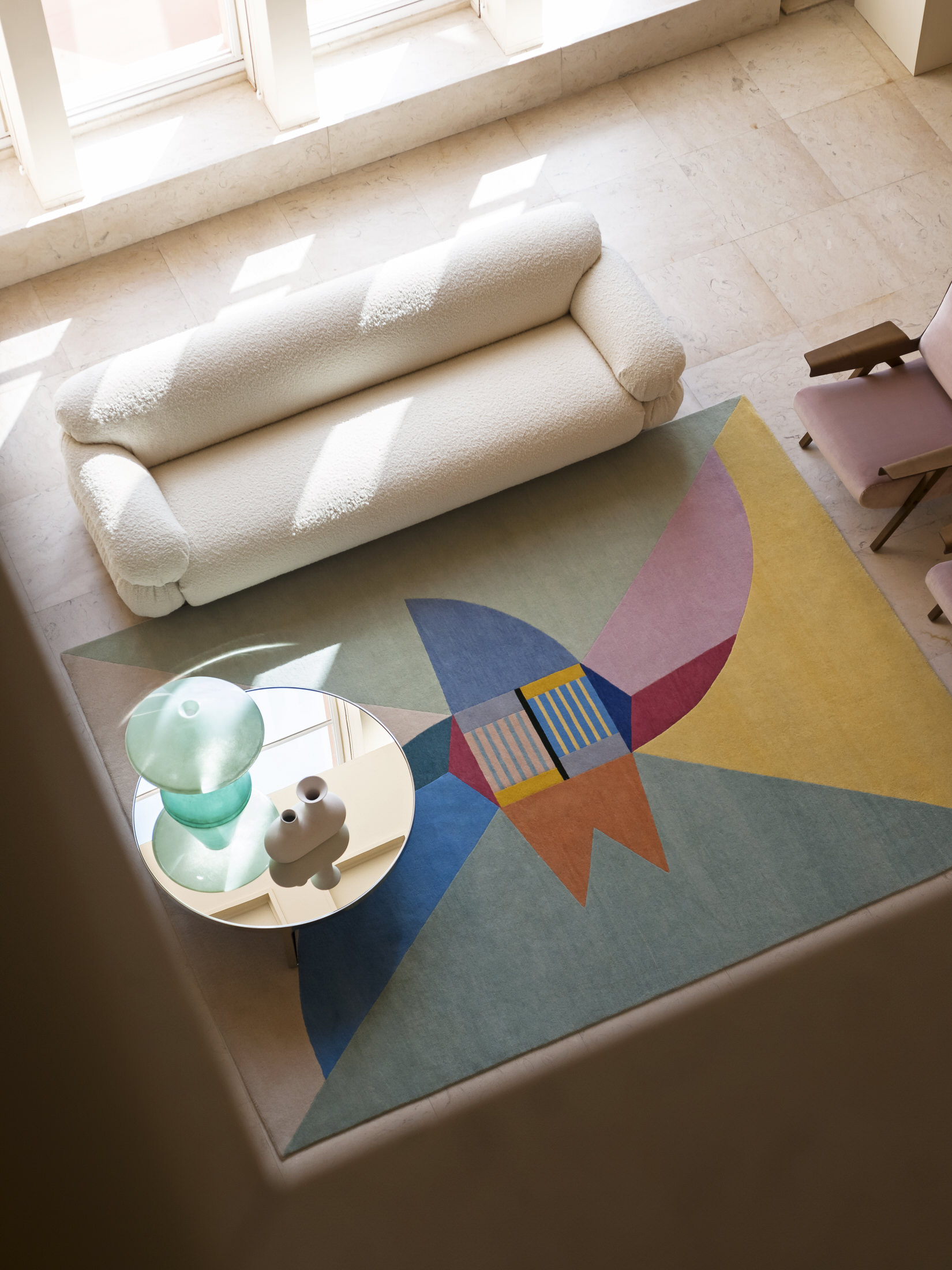
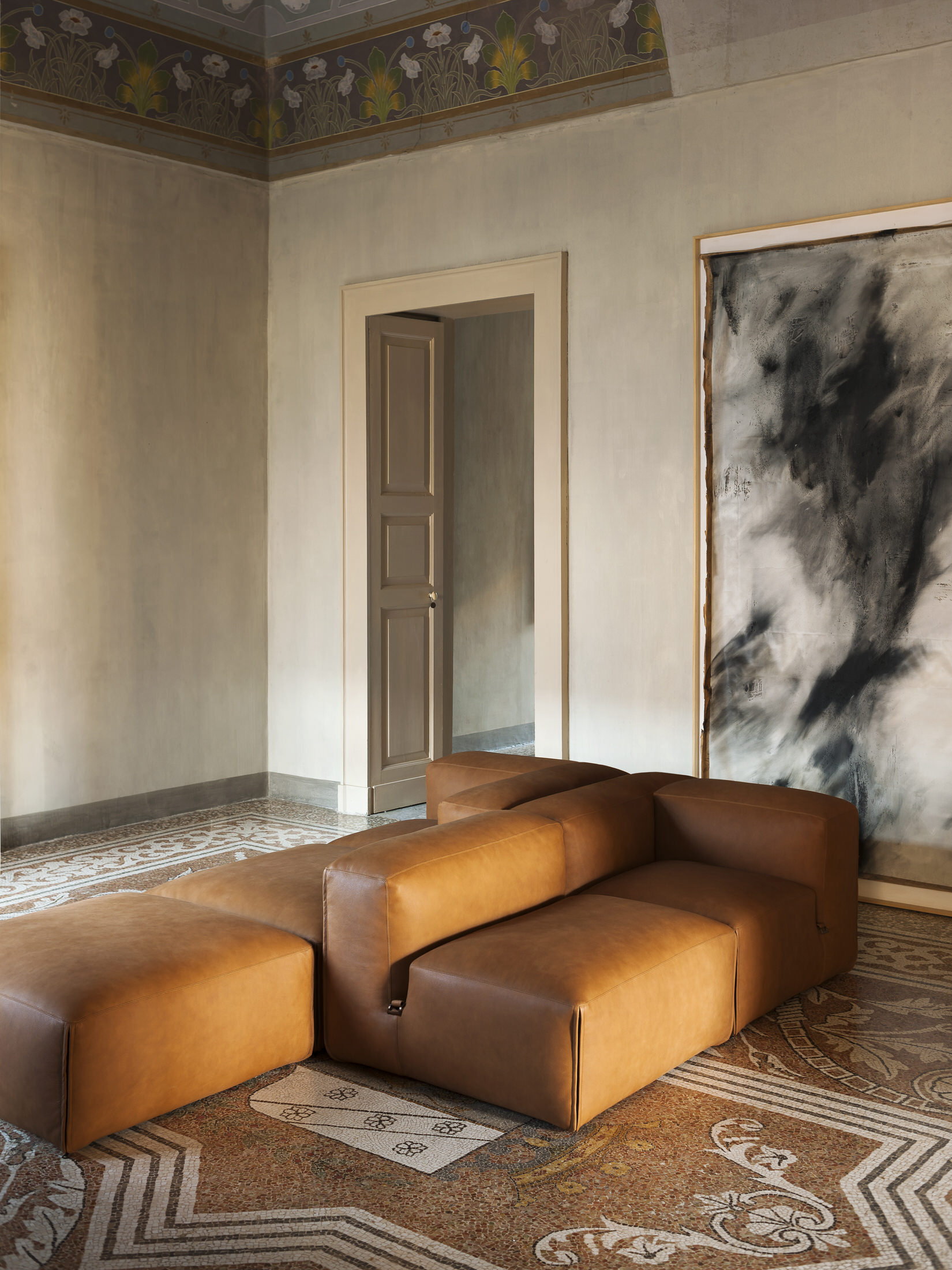
Tacchini, founded in 1967, released a collection called Life & Other Stories, and the roster is worth reading slowly: reissues of work by the Castiglioni brothers, by Tobia Scarpa, and by Mario Bellini, sitting in the same catalogue as new pieces by David/Nicolas and Studiopepe. Giusi Tacchini, the company's CEO and creative director, discussed it with Dana Tomić Hughes for Yellowtrace while seated on the Le Mura, a Bellini design from 1972 and one of the collection's headline pieces (Yellowtrace, disclosed by the publication as partner content supported by Stylecraft).
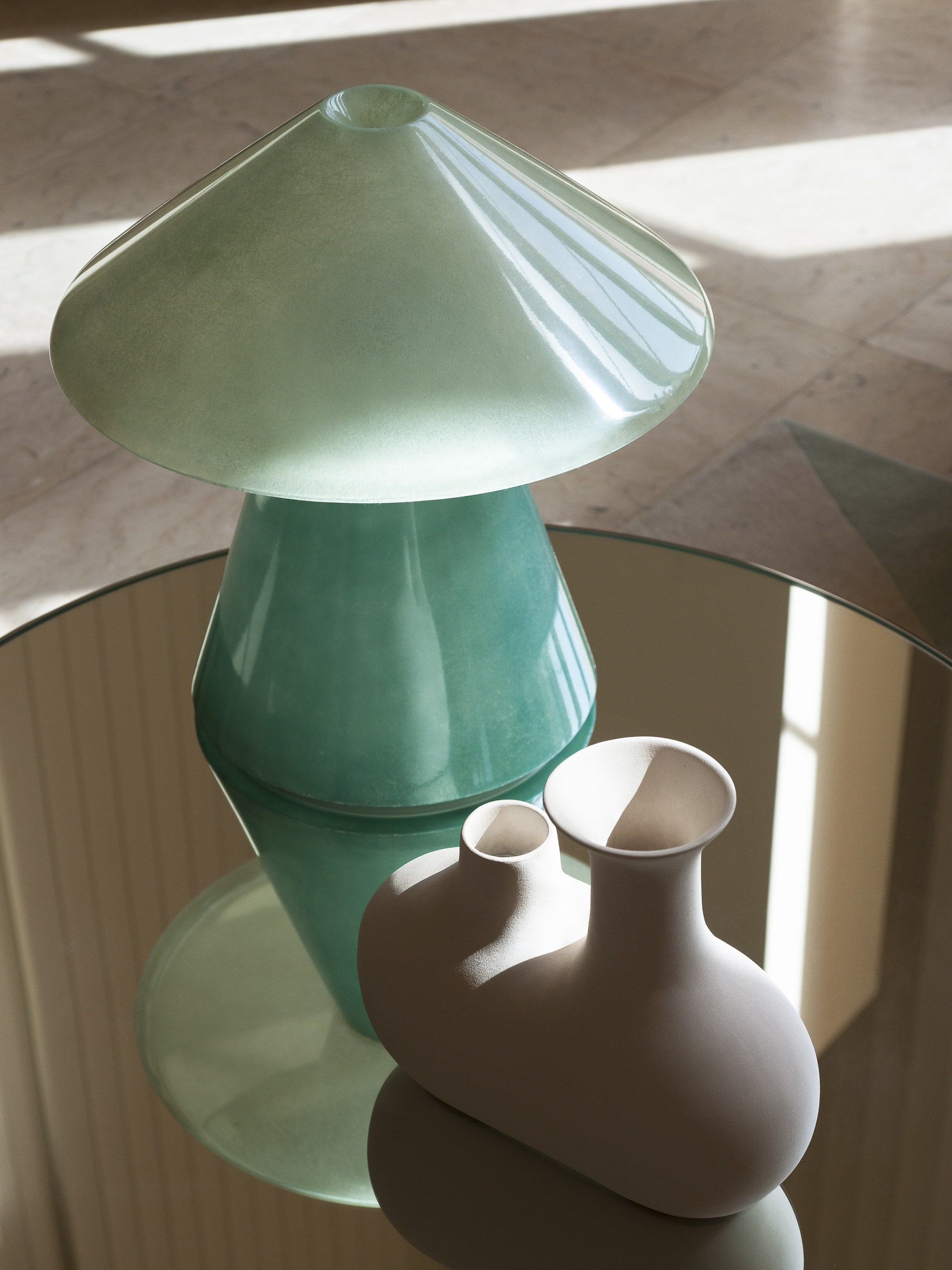
Here is the part the press release never covers, and it is the part that matters to anyone who specifies furniture for a living. A reissue is not a photocopy. The original drawing assumed a foam that is no longer made, from a chemistry that is no longer permitted, wrapped by a person who learned the wrap from somebody who learned it on that factory floor in that decade. It assumed a frame timber at a moisture content and a price that have both moved. It assumed a flammability standard that has since been rewritten twice, in different directions, in different countries. To put a 1972 sofa back on a truck in 2023 you have to rebuild the inside of it and then argue, internally and at length, about how much of the outside is allowed to change while the thing still deserves the name.
Most of that argument happens in millimetres. A seat height goes up an inch because people are taller and sofas are now sat in rather than perched on. A cushion gets firmer because the soft version failed the durability cycle. A weld that was hand-run becomes a jig. Each individual decision is defensible. Twelve of them in a row produce an object that is a cover version, and the only person who can hear the difference is somebody who owned the original, and that person is usually not in the room.
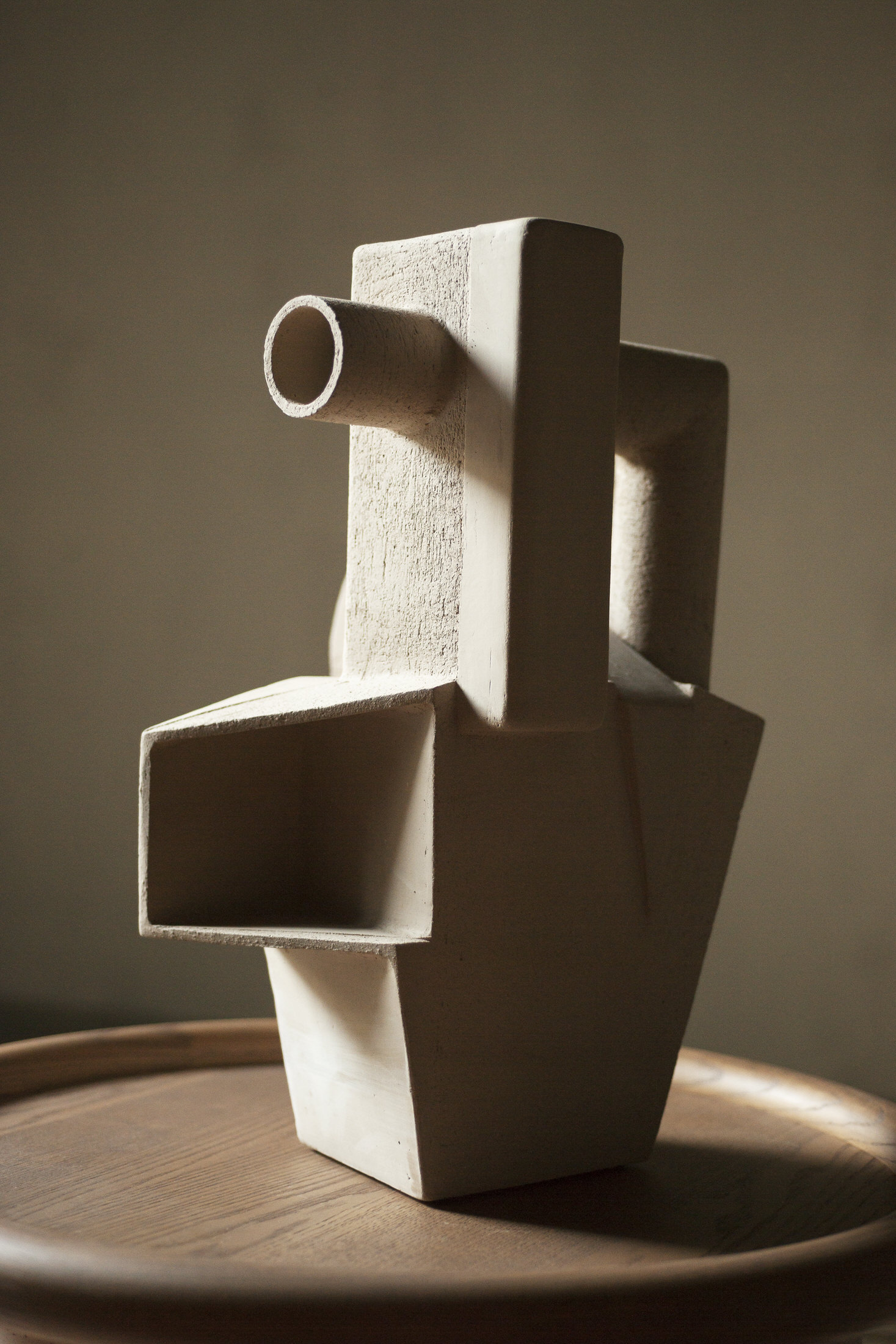
So the interesting question is not whether reissues are honest. They are about as honest as a restored building, which is to say they are a set of choices made by living people with a budget, and the honourable version tells you which choices it made. The interesting question is what gets chosen. A company reissuing its archive is publishing a claim about which part of the twentieth century is still usable, and that claim has consequences, because a piece that goes back into production stays in the language. It shows up in mood boards. It gets specified into projects. It gets photographed and re-photographed until a generation that never saw the first run treats it as a permanent feature of the landscape. A piece that stays in the drawer effectively stops existing.
Putting David/Nicolas and Studiopepe in the same catalogue as Castiglioni and Scarpa is the unusual move, and it is a braver one than it looks. The safe play is a heritage line, quarantined, sold on the strength of the signature to people buying provenance. Mixing them forces a comparison nobody controls. The new work has to hold up in the same photograph as a Bellini, at the same price point, in the same showroom, under the same light. Some of it will and some of it will not, and the catalogue does not get to decide which.
We think about this in the specification, not the sentiment. When we put an archive piece into a project we want to know three things, and none of them are on the lifestyle page: what changed from the original, who is making it now, and whether the upholstery will exist in eleven years when the client calls about a tear. A company that can answer those is doing the work. A company selling a famous outline with a new inside and no disclosure is selling a photograph of a sofa. The disclosure is the whole difference, and it costs nothing, and almost nobody does it.
There is a sentimental version of this piece available, about the past speaking to the present, and we will leave it alone. The past does not speak. The past sits in a cabinet in Lombardy until somebody with payroll to make decides a drawing is worth the retooling. That person is making an editorial judgment on behalf of everyone who will live with the result, quietly, in a meeting, on a Tuesday.
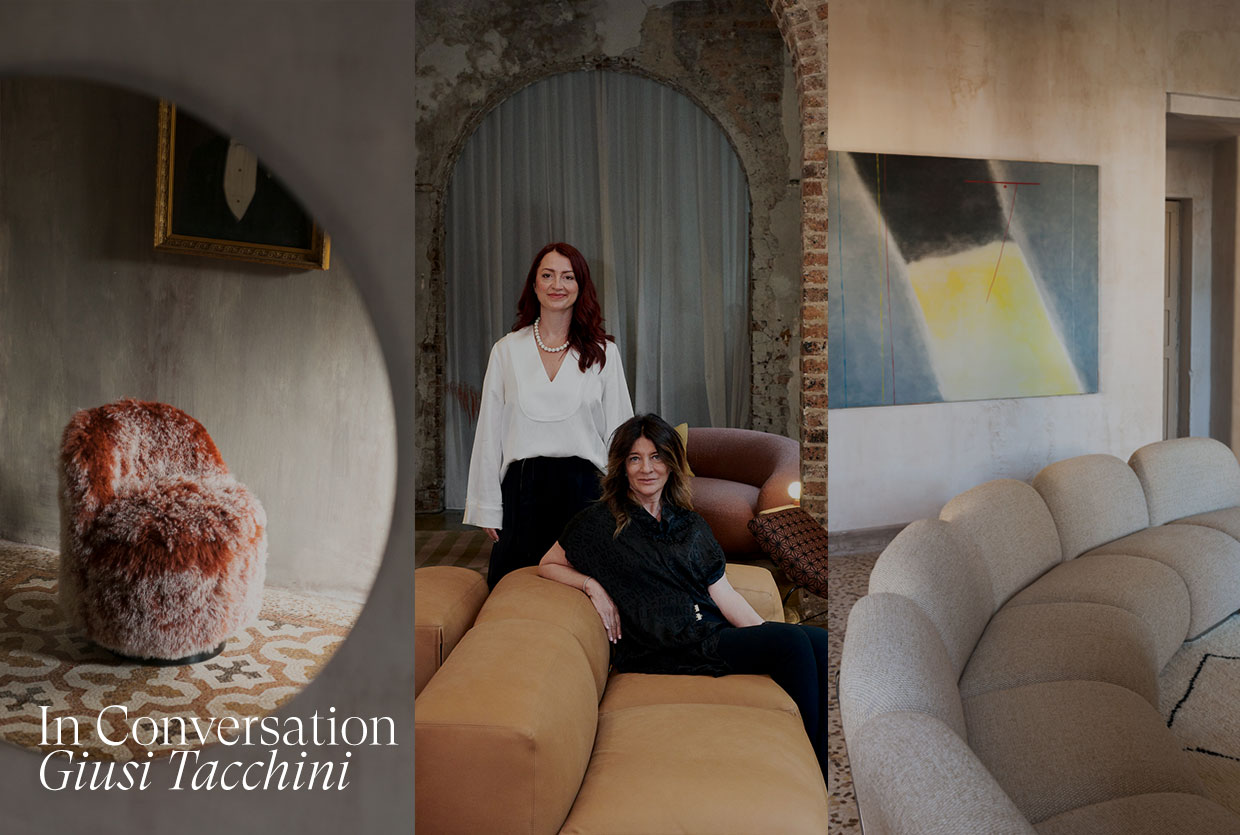
Bellini drew Le Mura in 1972 and the company is still building it. Somebody chose that. Somebody also chose the drawings that stayed in the drawer, and those we will never see, and they were probably not all worse.
Sources & Credits
- Interview: Dana Tomić Hughes in conversation with Giusi Tacchini, "Life & Other Stories," Yellowtrace, 13 March 2023, disclosed by the publication as partner content supported by Stylecraft. https://www.yellowtrace.com.au/dana-tomic-hughes-in-converation-with-giusi-tacchini-stylecraft-life-and-other-stories/
- Photography: Andrea Ferrari, via Yellowtrace. https://www.yellowtrace.com.au/dana-tomic-hughes-in-converation-with-giusi-tacchini-stylecraft-life-and-other-stories/
- Portrait photography: Yellowtrace, via the same article.
- Manufacturing and standards observations are Common Projekts' own, not claims made by Tacchini.