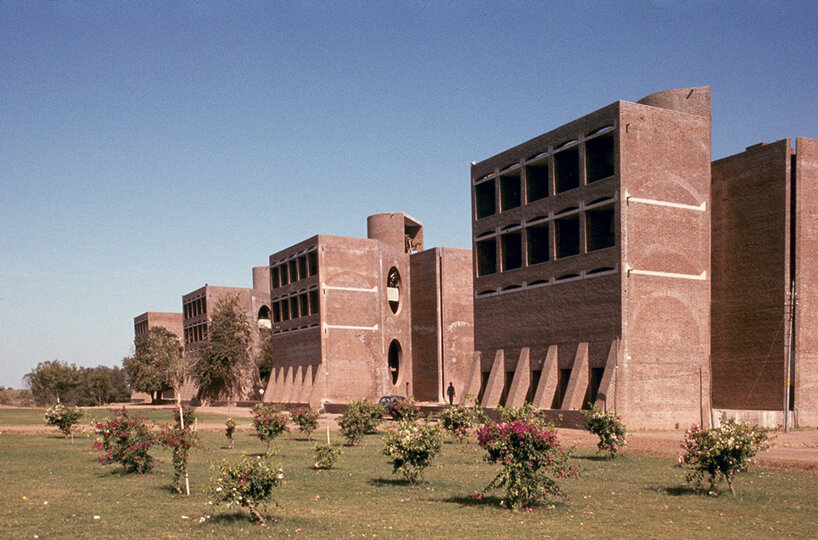
Louis Kahn went to Ahmedabad in the early 1960s and built a management school out of brick, which is what was there, and which is what the masons of Gujarat had been laying for a very long time before an American showed up with a plan. He gave it circles cut through flat walls, and long shaded corridors that stay cool when the air outside is doing something close to violence, and eighteen dormitory blocks where the students actually lived. The dormitories are not the postcard. The postcard is the library wall with the great round hole in it. But anybody who has walked the campus will tell you the dormitories are where the building does its thinking, because that is where the geometry stops being a composition and starts being a place you come back to at night.
In 2020 the Indian Institute of Management Ahmedabad announced it was going to knock fourteen of those eighteen blocks down.
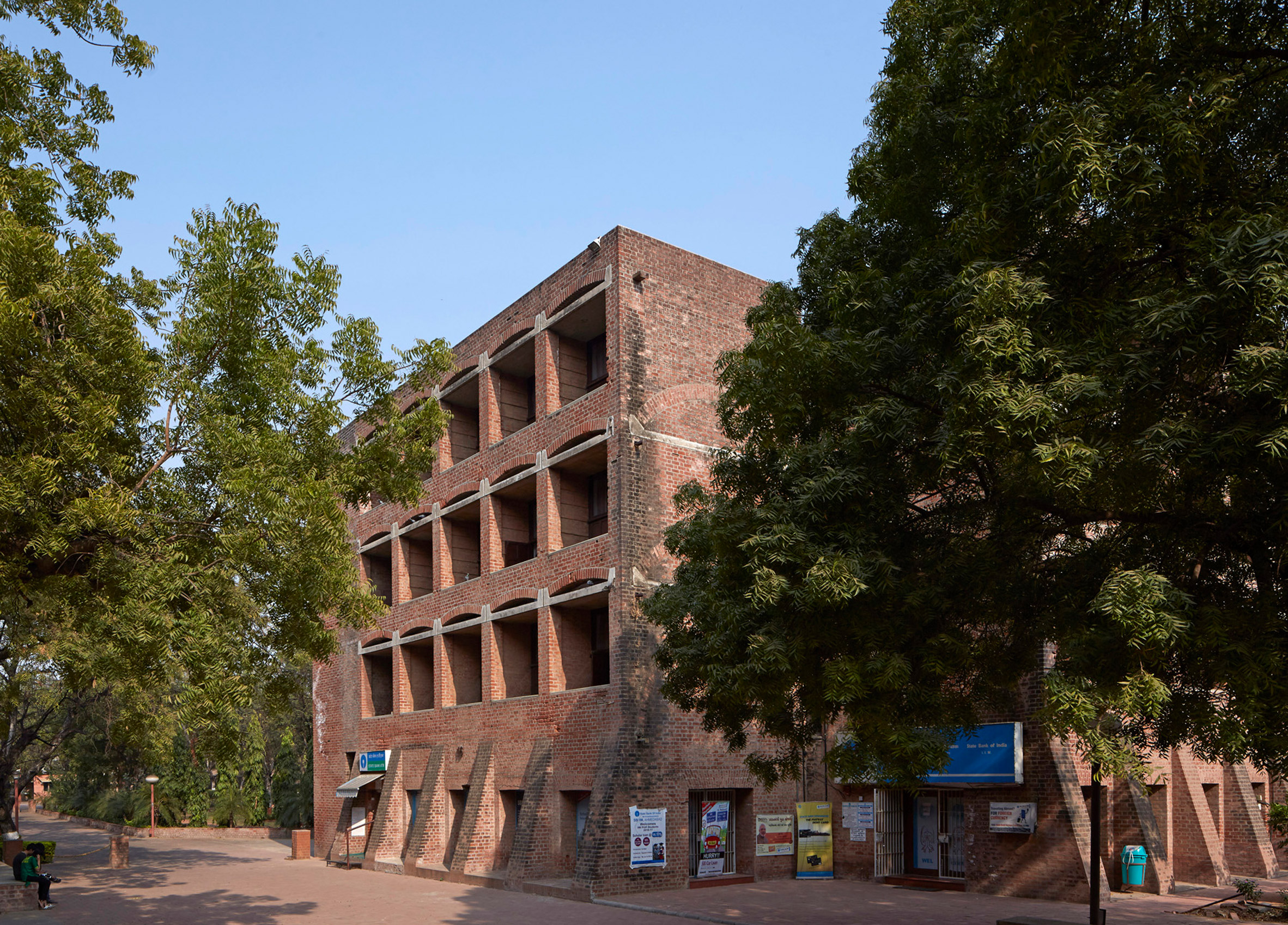
What happened next was the thing that is supposed to happen. Architects wrote letters. The online meeting to open bids for the demolition was cancelled after what designboom called "a local and international outcry," and within weeks the school's board of governors folded, acknowledging in its own words that "the dormitories designed by louis kahn are a cultural legacy and that these buildings are to be seen as an integral part of the ensemble of buildings that constitute the campus" (designboom). Everyone went home. The buildings were saved. It felt, for a season, like the system worked.
Two years later the same board reversed itself again, ending the restoration work and announcing that engineers from IIT Roorkee and a group of restoration experts had found the buildings "uninhabitable," and that "temporary solutions" were no longer an option (Dezeen). Safety, the letter said. The safety of our people is our primary responsibility.
Here is the part worth sitting with, and it is not the part about villains. The board is probably telling the truth. Load-bearing brick in a monsoon climate is a maintenance contract, not a monument. Water finds the joint. The joint opens. Reinforcement inside a masonry arch corrodes and swells and pushes the brick apart from the inside, slowly, for decades, while the building looks exactly the same in photographs. Gujarat is earthquake country and the standards have moved since 1962, and a structural engineer asked whether an unreinforced masonry dormitory meets the code a student's parents are entitled to expect will not enjoy giving the answer. None of that is a conspiracy against Kahn.
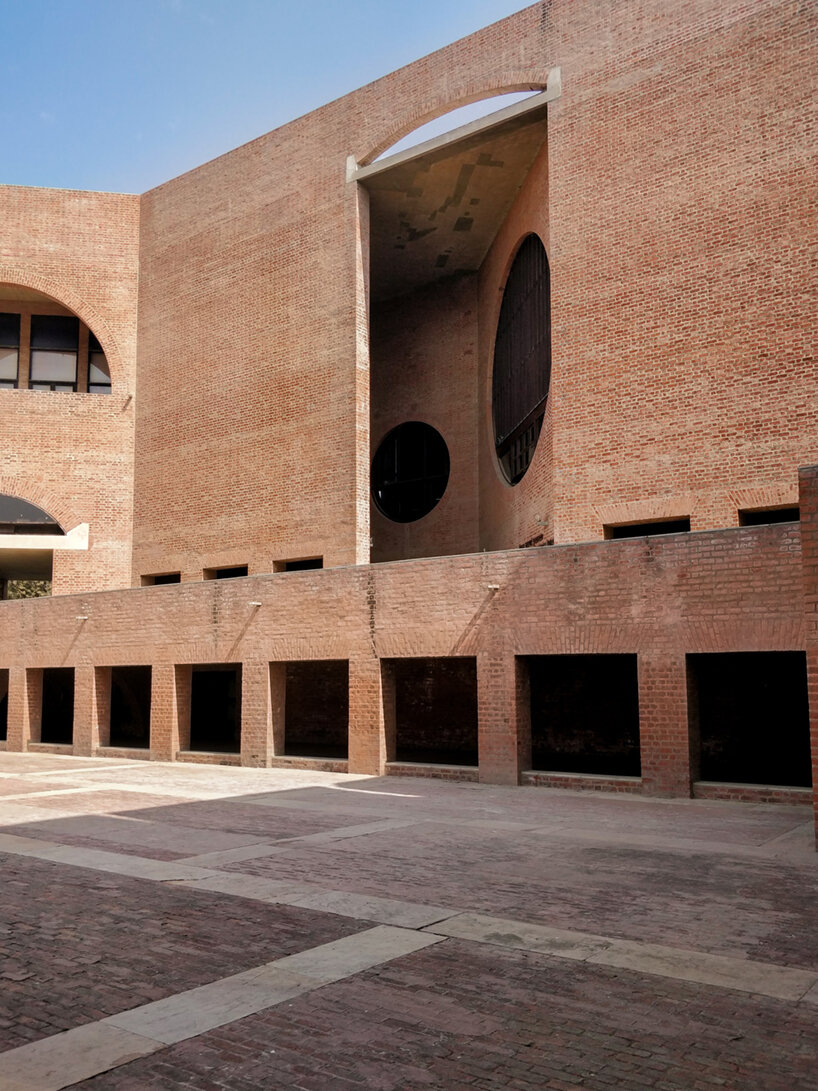
But uninhabitable is not a weather event. It is an outcome. Every building that becomes uninhabitable becomes uninhabitable on a schedule, and the schedule is written in the years when nobody repointed the parapet, and nobody chased the leak at the third floor because the leak was small and the budget was committed, and the line item called deferred maintenance got deferred one more time by people who were all individually being reasonable. Then one morning a consultant arrives and reports a condition, and the condition arrives in the room sounding like a fact of nature. It is not a fact of nature. It is arithmetic that somebody chose not to do twenty years earlier, arriving late and wearing a lab coat.
We say this as people who write the reports. In construction administration you learn quickly that almost nothing fails suddenly. The failure is already in the file, in the third RFI about flashing that got value-engineered into a caulk joint, in the substitution that saved four thousand dollars and cost a wall. The building does not care who was in the room. It only keeps the record.
Which is why the preservation fight, as it is usually staged, is a fight about the wrong thing. The letter-writing campaign wins the vote and loses the decade, because nobody signs a letter demanding a scaffolding budget for 2029. Saving a building is not a decision. It is a standing order, renewed annually, funded, boring, and carried out by people whose names will not appear in any of the coverage. The 2020 outcry bought the dormitories twenty-four months. A maintenance endowment would have bought them a century.
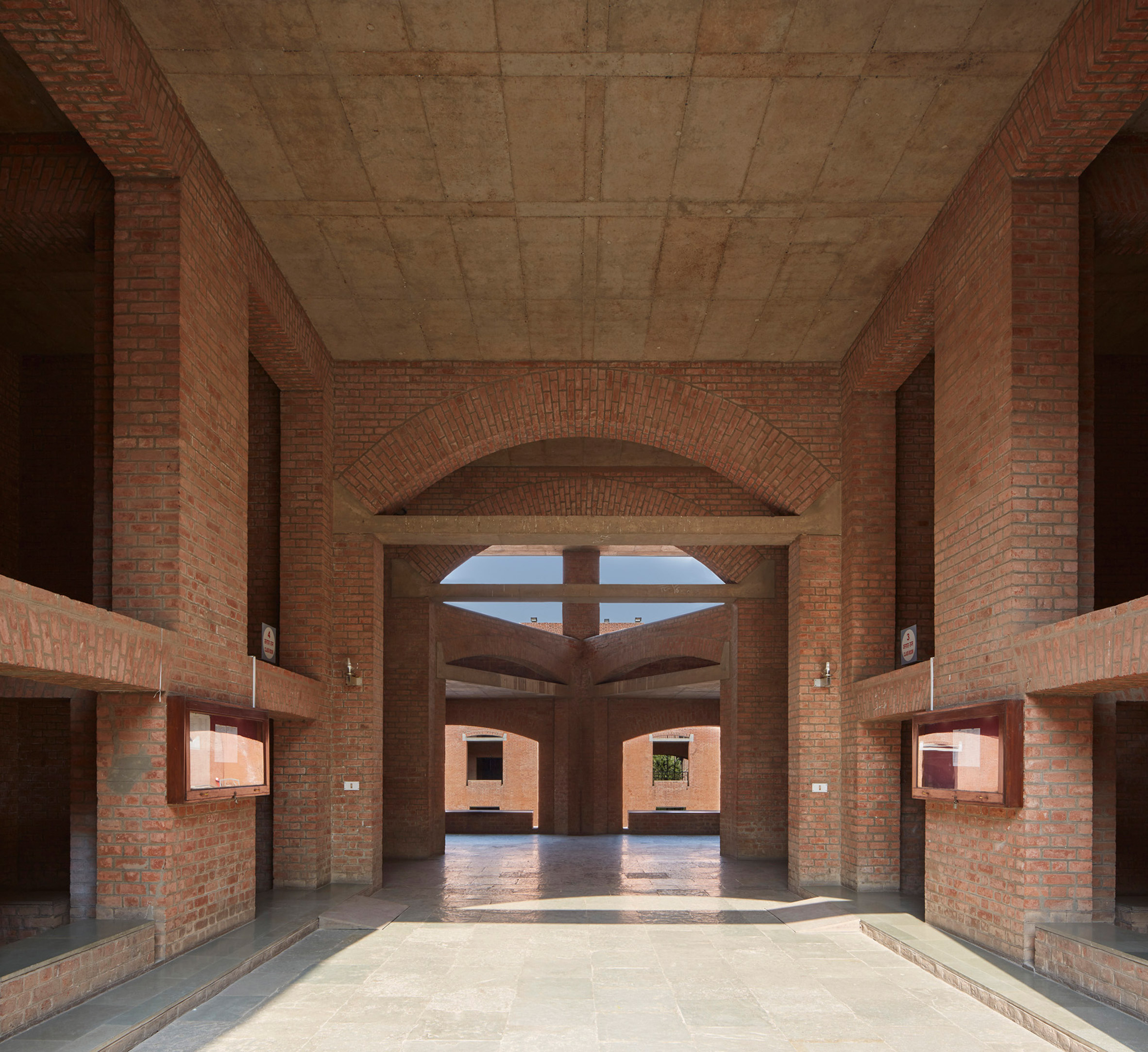
The photographer Edmund Sumner shot the campus over visits between 2008 and 2016, and told Dezeen that on the first trip he planned to spend "an hour maybe two at IIMA but ended up staying all day and have returned on many occasions since" (Dezeen). That is the actual argument, and it does not photograph well, and it never appears in a structural report. A building that holds a visitor eight hours past his plan is doing something to people. It is also, at the same time, a stack of brick with corroding steel in it in a seismic zone. Both statements are complete. Neither one cancels the other, and the failure of the whole conversation is that we keep insisting one of them has to.
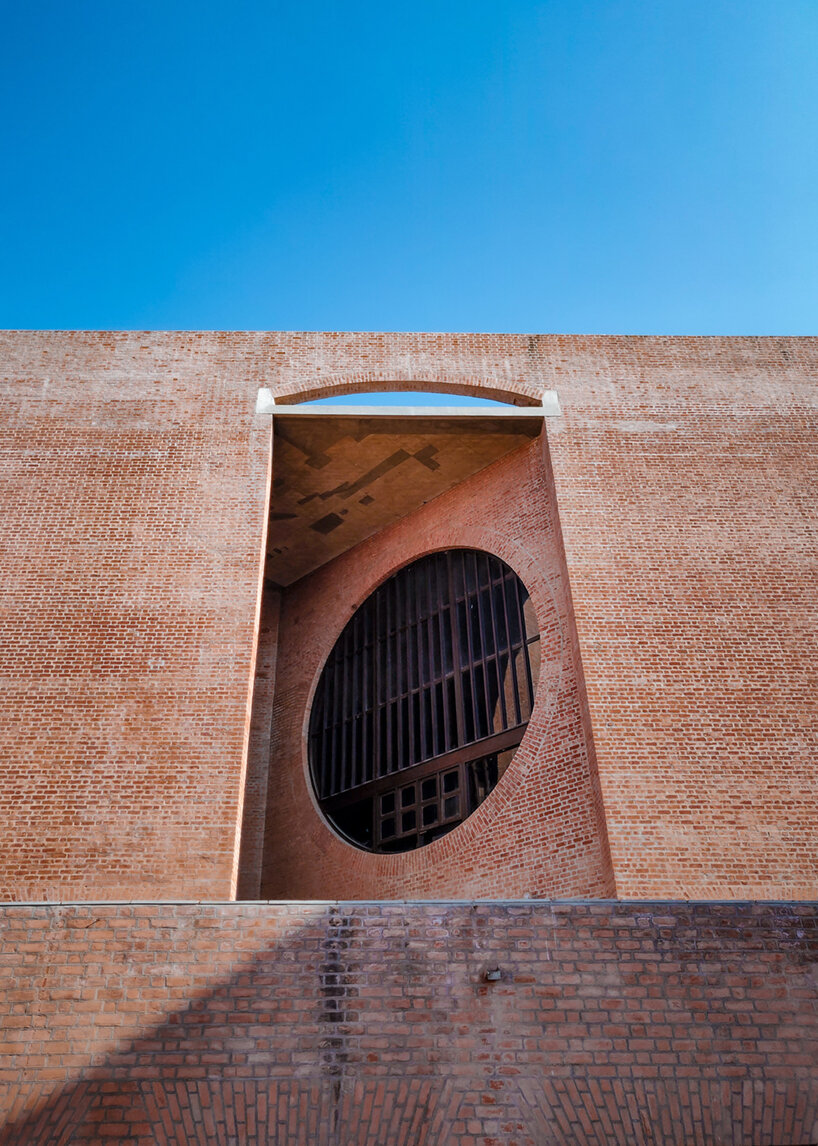
Kahn used to talk about asking a brick what it wanted to be. It is a lovely line and it has been repeated into meaninglessness. The honest version is duller and more useful: a brick wants to be dry. Keep the water off it and it will outlive the institution that commissioned it, and the architect, and the argument. Stop, and it will come apart on a timetable you set without noticing you were setting it.
And still it stands, for now, some of it.
Sources & Credits
- "louis kahn's family speaks out following continued plans to demolish historic dorms in india," designboom, 3 January 2021. https://www.designboom.com/architecture/louis-kahn-india-ahmedabad-dormitories-indian-institute-of-management-iim-01-02-2021/
- "IIMA renews plans to demolish Louis Kahn dormitories," Lizzie Crook, Dezeen, 14 November 2022. https://www.dezeen.com/2022/11/14/louis-kahn-iima-dormitories-demolition/
- "Edmund Sumner shares photos of Louis Kahn's IIMA including its recently saved dormitories," Tom Ravenscroft, Dezeen, 7 January 2021. https://www.dezeen.com/2021/01/07/louis-kahn-indian-institute-of-management-ahmedabad-dormitories-iima/
- Photography: Edmund Sumner, via Dezeen, https://www.dezeen.com/2021/01/07/louis-kahn-indian-institute-of-management-ahmedabad-dormitories-iima/
- Photography: via designboom, https://www.designboom.com/architecture/louis-kahn-india-ahmedabad-dormitories-indian-institute-of-management-iim-01-02-2021/