In 1963 a man who spent his working life deciding how German households would touch their radios and their shavers and their record players went home and made a leather bag for his wife. There was no brief. There was no client, unless you count a marriage. There was no market research, no launch window, no quarterly anything, and nobody at all to answer to except the one person who was going to carry it every day and would let him know, in the way that people who live together let each other know, if the strap was wrong.
Fifty-five years later the German accessories brand Tsatsas put it into production as the 931, working with Rams himself. Ignant covered it in January 2019, noting that Rams "first designed this very bag for his wife in 1963" (Steph Wade, Ignant). You can buy it. That is the news, and the news is not the interesting part.
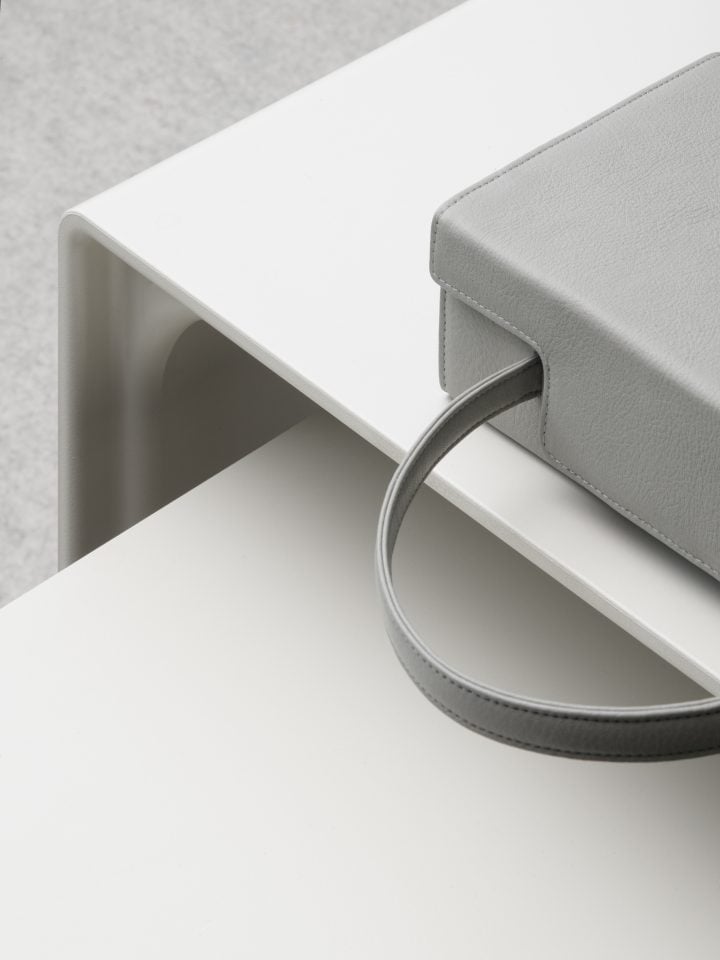
The interesting part is the condition that produced it, because the condition is the thing nobody can reissue. A designer working for an audience of one, with no incentive to be impressive, on an object whose only job is to be picked up and set down several thousand times, is operating under the most brutal constraint in the profession. You cannot hide behind a rendering. You cannot survive on a silhouette. The person will simply find the flaw, on a Tuesday, in the rain, and mention it.
That constraint is where the discipline comes from. Not from the ten principles, which came later and which the whole industry now recites like a grace before meals while it serves the same dinner it always served.
The same year keeps coming back
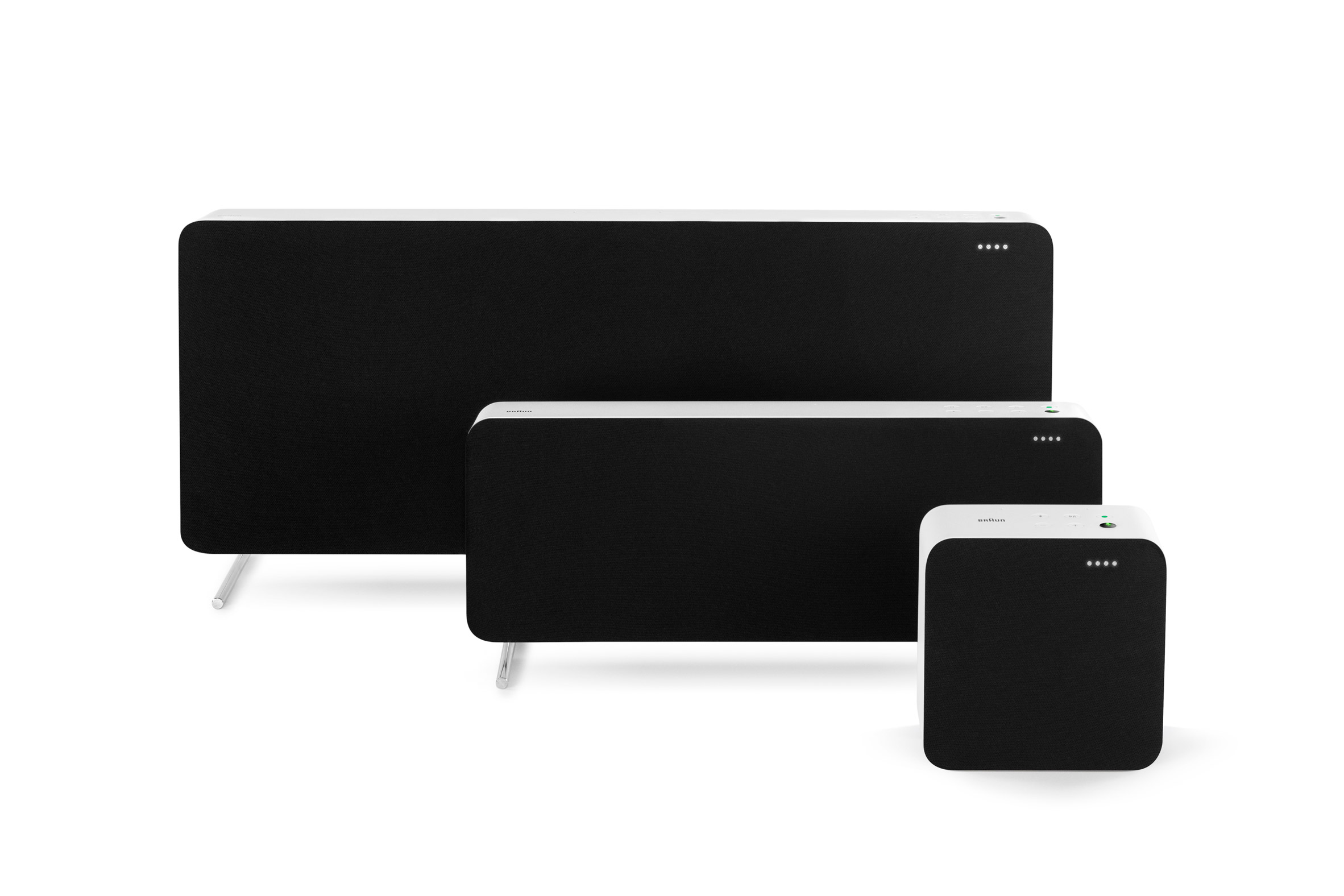
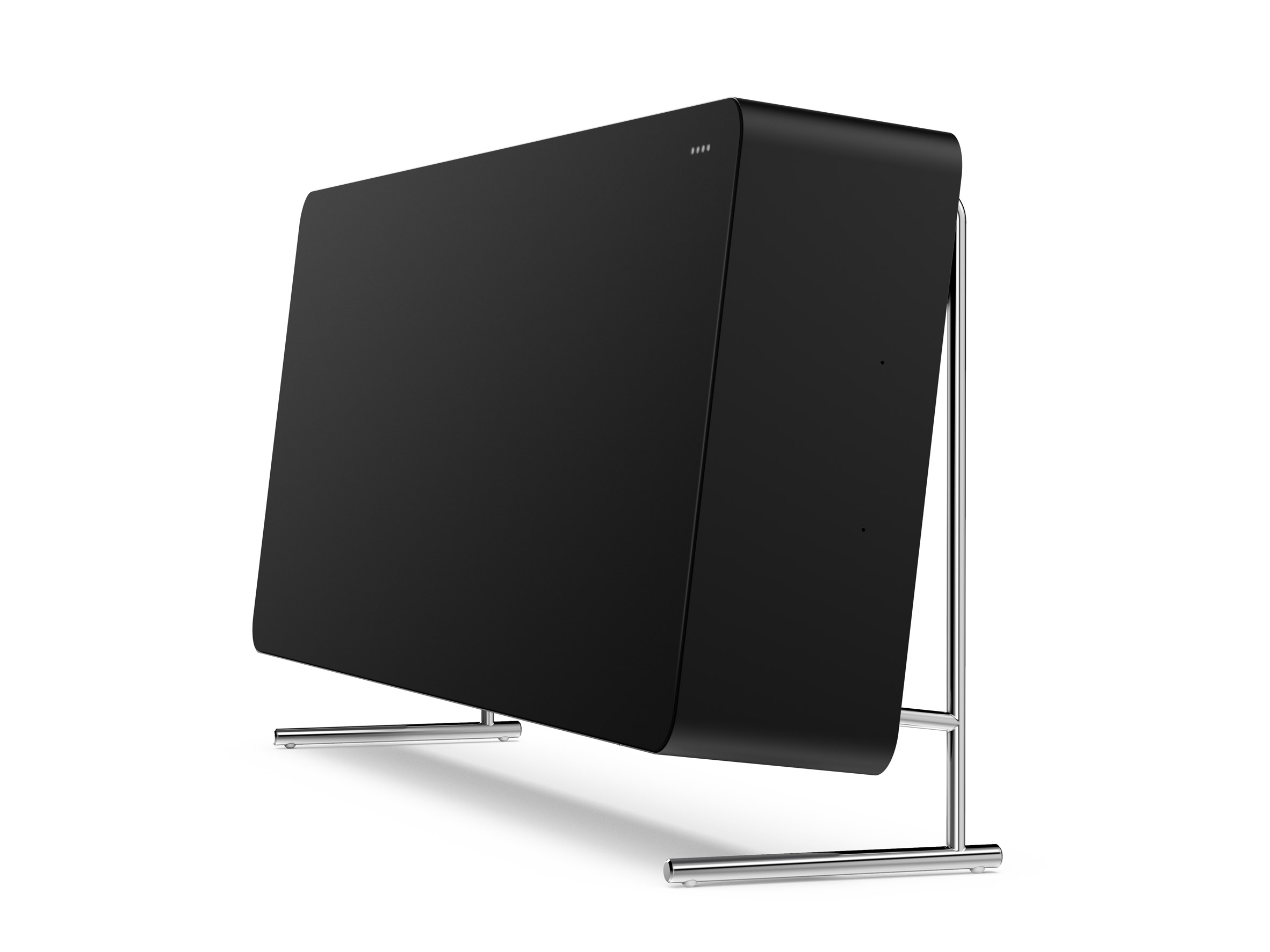
Rams ran design at Braun from 1961 to 1995, according to Dezeen's account of the Braun Audio LE speakers, a range he first drew in 1959 and which was relaunched decades later by Pure Audio under license, with the company saying the new speakers "celebrate the timeless, essentialist design ethos of their origins" (Alyn Griffiths, Dezeen). Braun stopped making audio products in 1991. The name was sold to Procter and Gamble in 2005.
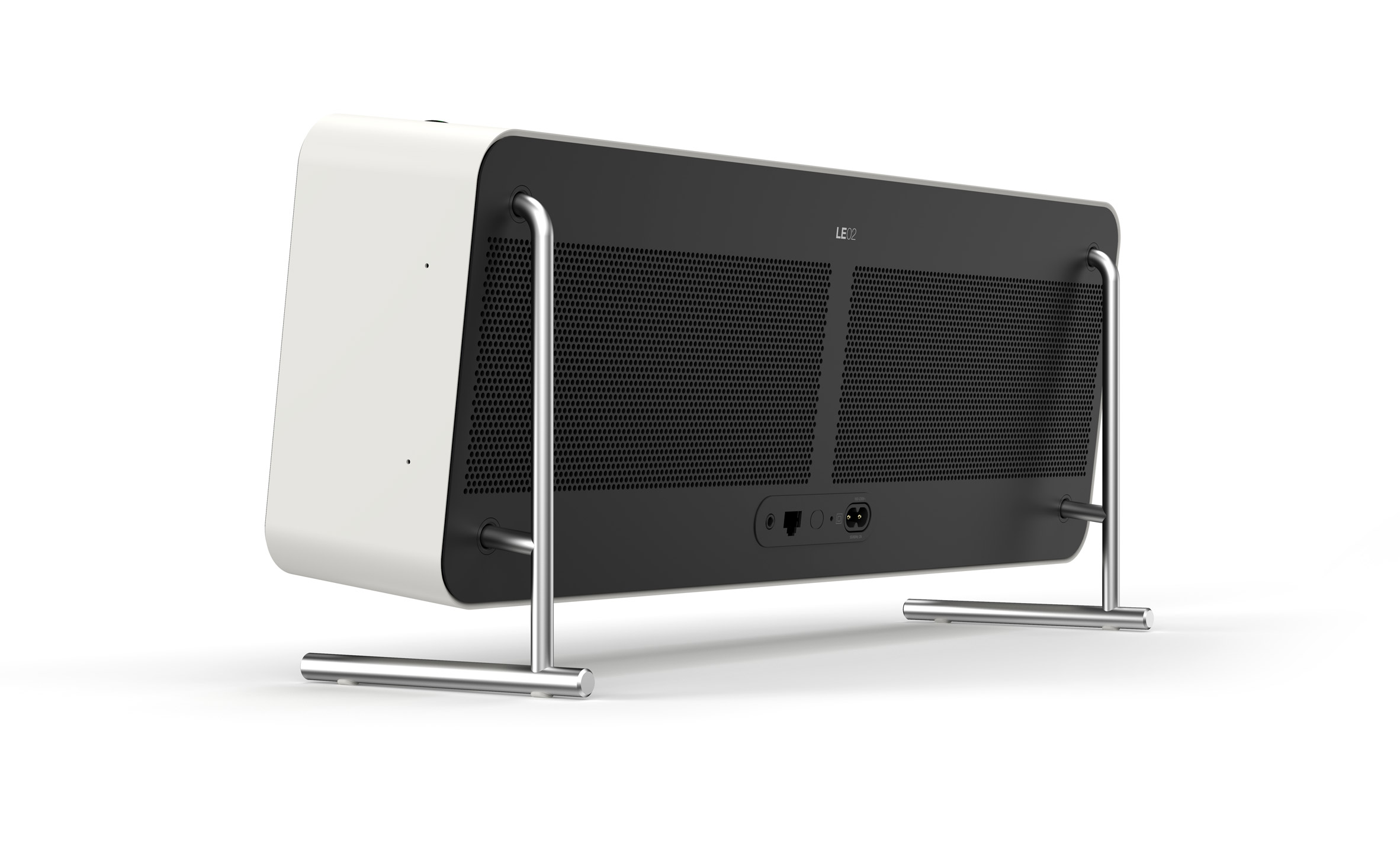
Read those dates slowly. The audio division shuts down in 1991. The head of design leaves in 1995. The company that made the objects stops existing as the thing that made them, and the objects keep going, and eventually somebody licenses the name and builds the grille again.
This is the window we keep circling back to at Common Projekts, roughly 1980 to 1993, because it is when a great many of the disciplines we admire ran out of institutional room at almost the same moment. The late Braun years. The late Rudolph towers, going up while the early ones were already being argued about. The Smithsons watching their reputation turn. The work did not get worse. The conditions that let the work happen went away, which is a different problem and a harder one to write a principle about.
What a reissue actually copies
A reissue copies geometry. It is very good at geometry. It copies the radius and the gap and the grain and the exact restraint of the typography, and it does this faithfully and at some expense, and the result is usually lovely and usually more expensive than the original ever was.
What it cannot copy is the argument. The LE1 was an argument with 1959 about what a loudspeaker was allowed to look like in a room where people also lived. The 931 was an argument with nobody, which is rarer, and better. Put either object back into production in a decade that has already agreed with it and the argument evaporates. You are left with a shape that everybody likes, which is the safest possible thing for a shape to be, and the least useful.
We think about this on every project, because a practice like ours runs on reissue logic whether it admits it or not. The plaster, the oiled wood, the flush pull, the one good hinge. It is possible to assemble a room entirely out of decisions other people already won, and the room will photograph beautifully, and nobody will be able to say exactly what is wrong with it.
What is wrong with it is that nothing in it was decided for the people who live there.
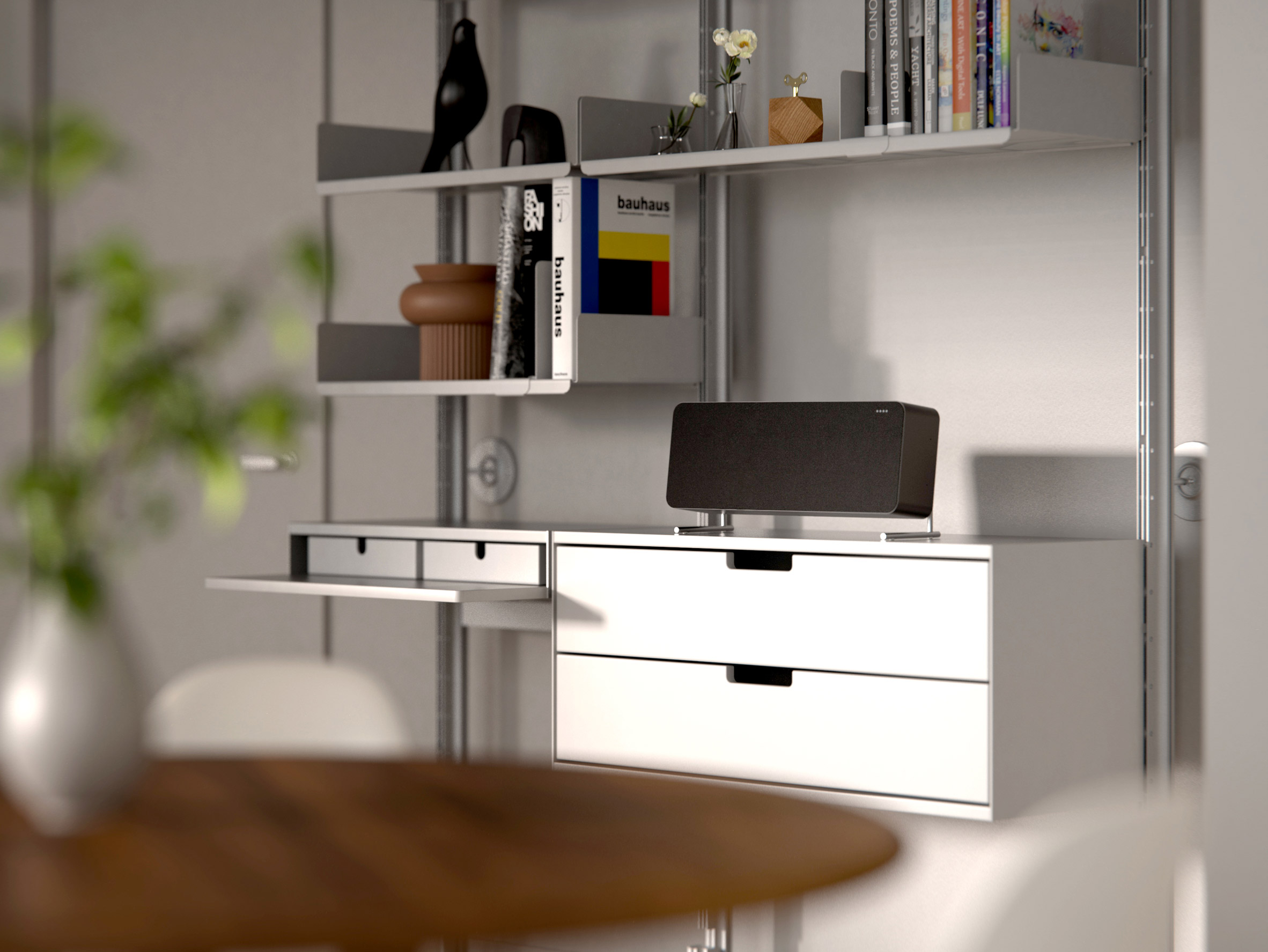
So the lesson of the bag is not the bag. It is not the proportions and it is not the leather and it is certainly not the ten principles. It is that the best object in the story was made under the smallest possible brief, for a single known person, by someone who was going to have to watch them use it. That is a condition you can arrange. It costs nothing. It is available to anyone willing to design for the household instead of the audience, and it is, as far as we can tell, the only part of this that was ever actually reproducible.
Buy the bag if you want the bag. It is a good bag. Just do not mistake owning it for having learned anything.
Sources & Credits
- Steph Wade, "The Handbag Dieter Rams Designed For His Wife In The '60s Is Now In Production," Ignant, 7 January 2019. https://www.ignant.com/2019/01/07/the-handbag-dieter-rams-designed-for-his-wife-in-the-60s-is-now-in-production/
- Alyn Griffiths, "Braun Audio LE speakers revive a classic Dieter Rams design," Dezeen, 13 November 2019. https://www.dezeen.com/2019/11/13/braun-audio-le-speakers-dieter-rams-design/
- Photography: Ignant, via Ignant, https://www.ignant.com/2019/01/07/the-handbag-dieter-rams-designed-for-his-wife-in-the-60s-is-now-in-production/
- Photography: Dezeen, via Dezeen, https://www.dezeen.com/2019/11/13/braun-audio-le-speakers-dieter-rams-design/
No images in this post are Common Projekts photography.