The Building That Never Opened
There is a concert hall in Tbilisi that has never held a concert. It was built between 2010 and 2012, and it was funded by the city for something in the region of 40 million euros, and it is two long steel-and-glass tubes lying down in a park by the river like instruments set on a table between movements, and it is, by the accounts of the people who designed it and a good many who did not, a genuinely fine piece of architecture. It has stood in Rike Park for fifteen years. In that time it has held rain, and pigeons, and the changing light off the Mtkvari, and the attention of every tourist who ever walked past and wondered what it was. It has not held an audience. It was finished, and then the government changed, and then it was simply left, the way you might leave a letter you wrote and decided not to send.
Now the city has issued a permit to tear it down. According to reports in the Georgian press, the owner has until the twenty-fifth of December to take it apart.
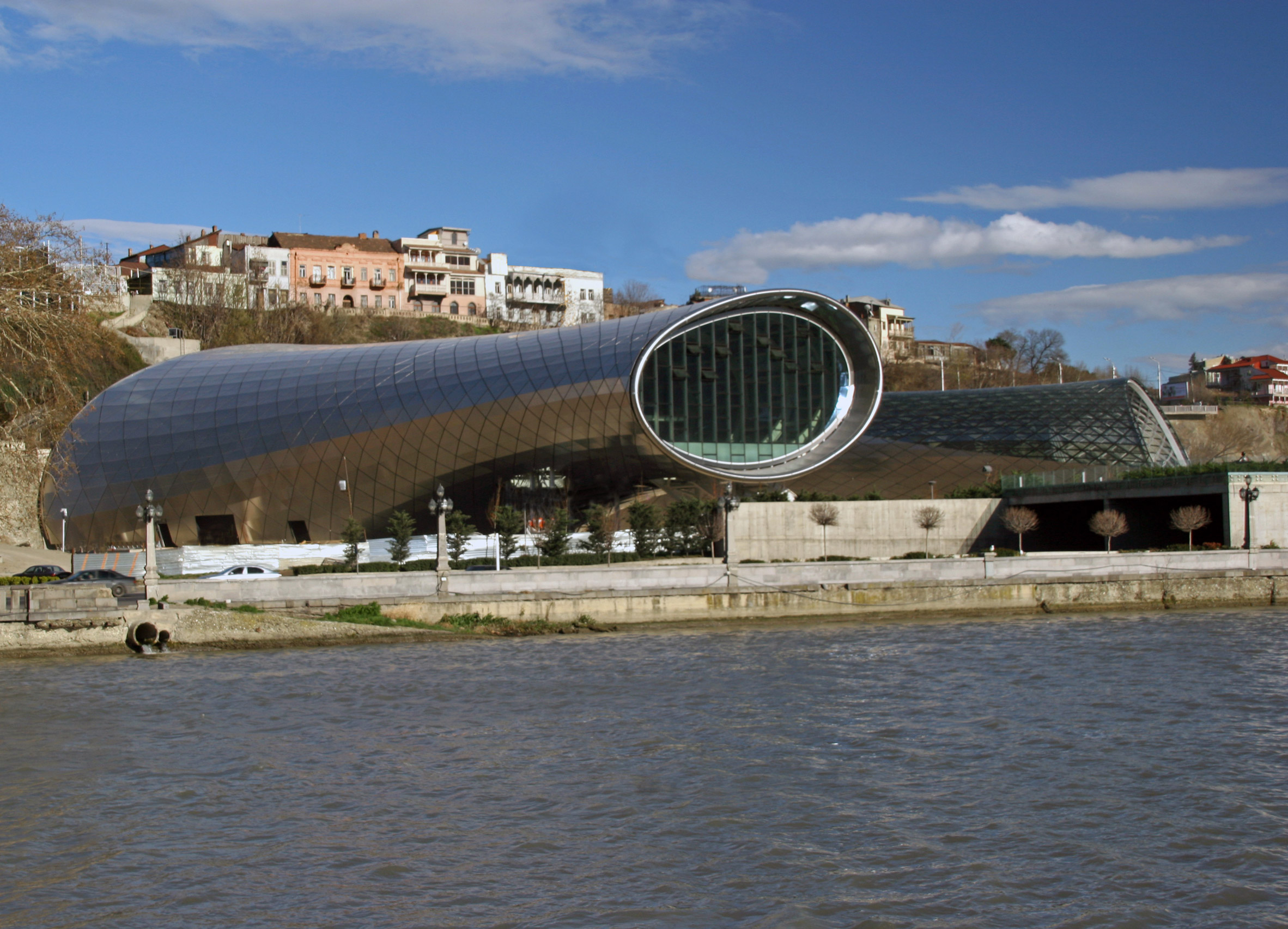
Studio Fuksas, the Italian practice founded by Massimiliano and Doriana Fuksas that drew the building, would very much like this not to happen. In a statement to Dezeen the studio said it had spent the past year trying to reach Tbilisi officials and the current owners to propose an alternative, "avoiding what we believe would be a premature and irreversible demolition," and that its proposals "have received no response." The studio called the loss "a significant cultural setback," and noted, with what reads as real astonishment, that "in more than sixty years of professional practice, this is the first time Studio Fuksas has faced the demolition of one of its projects without ever being invited to discuss possible alternatives." You can hear the specific insult in that sentence. Not that they lost the argument. That there was no argument to lose.
It would be easy to make this a story about a wronged architect, and easy to make it a story about a beautiful building and the philistines who cannot see it, and both of those stories are available and both of them are a little too comfortable. Here is the harder number. The city already paid to build this thing. Then it sold it, in 2022, for roughly a quarter of what it cost. And now, as the studio points out, the demolition itself "would require additional public expenditure." So the public purse pays to raise the building, and gets a fraction back when it sells, and pays a third time to erase it, and at the end of all that arithmetic there is a patch of grass and a rumor of a hotel, which is what was floated for the site once before. Three transactions, and the only thing produced is absence.
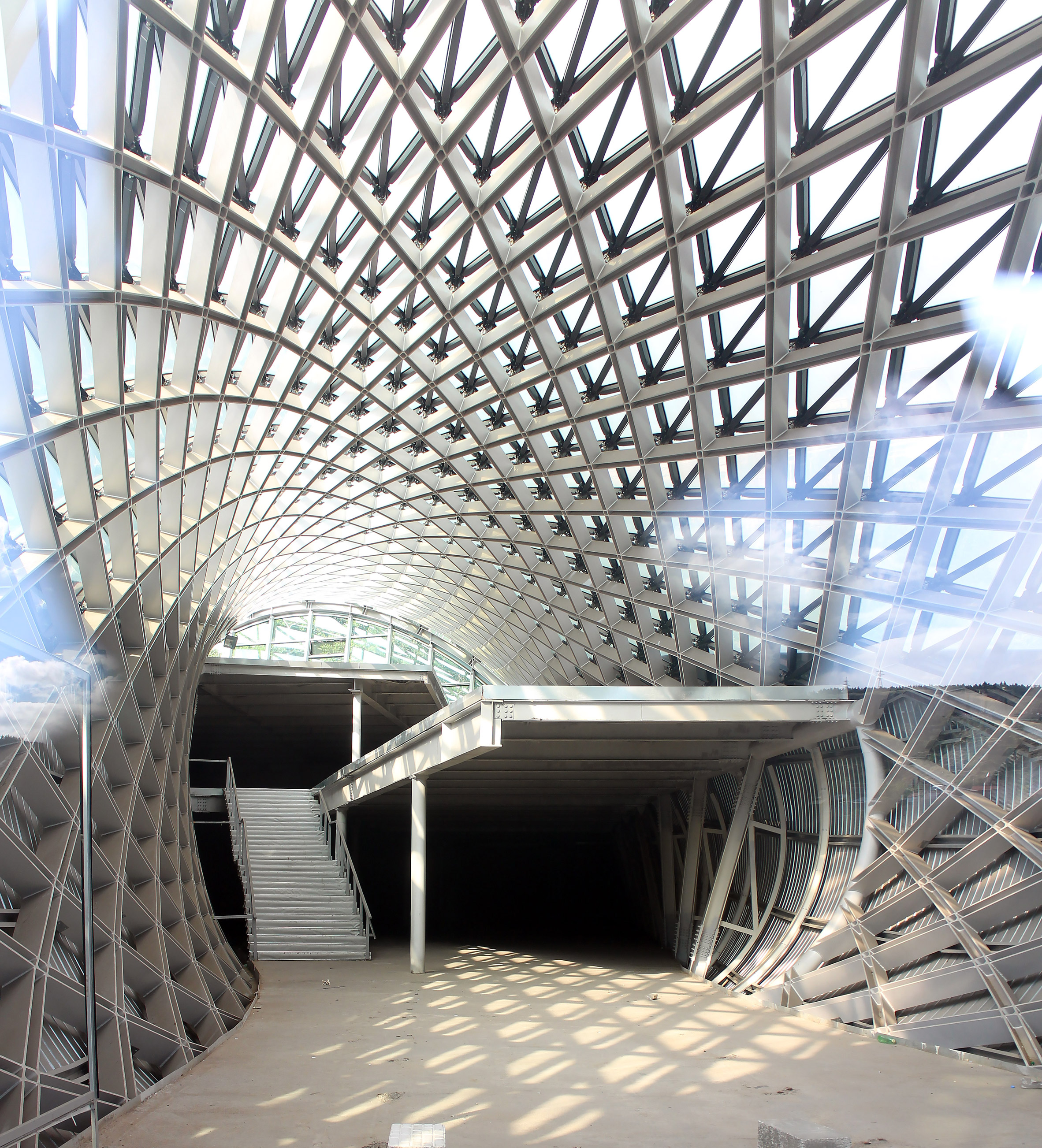
The building itself has no opinion about any of this. It cannot be insulted, and it cannot be vindicated, and it did not spend fifteen years feeling unopened. It was poured and welded and glazed by people who were paid to do it well, and it did the one thing it was built to do, which is to stand up and stay standing, and it has done that without complaint through a decade and a half of being nobody's responsibility. The building does not care. That is not a criticism of the building. That is the whole quiet dignity of the thing. We are the ones who assign a concert hall its meaning, and we are the ones who took the meaning away, and the concrete and steel went on holding their shape the entire time regardless.
We spend a great deal of language, in this field, on birth. The competition, the render, the ribbon, the opening night. We spend almost none on the other end, on what a society owes a building it has stopped loving, or never got the chance to love, or built for reasons that expired before the scaffolding came down. Tbilisi is not being asked a hard aesthetic question. Nobody is claiming the tubes are ugly. It is being asked an ethical and an arithmetic one, which is whether it is cheaper and braver to finish a thing than to unmake it, and whether the money already spent counts for nothing the moment the politics that spent it are gone.
The studio, to its credit, framed the exit and not just the grievance. "Tbilisi still has the opportunity to transform an unfinished project into a symbol of regeneration, innovation and international openness," it said. "Let this opportunity not be wasted." That is the right note. A building that was never used is not a ruin. It is a room full of unspent potential energy, waiting for somebody to decide it is worth the trouble.
For now it is still there, both tubes intact, catching the July light off the river the way it has every summer since it was finished. And still it stands. Whether it is standing at Christmas is a decision, and the decision is not the building's to make.
Sources & Credits
- Reporting and quotations: Tom Ravenscroft, "Planned demolition of Tbilisi concert hall 'a significant cultural setback' says Studio Fuksas," Dezeen, 16 July 2026. https://www.dezeen.com/2026/07/16/studio-fuksas-tbilisi-rike-concert-hall-halt/
- Additional detail (timeline, ownership, demolition deadline): "Studio Fuksas-designed Rike Concert Hall in Tbilisi set to be demolished," Dezeen, 15 July 2026. https://www.dezeen.com/2026/07/15/rike-concert-hall-tbilisi-demolition-studio-fuksas/
- Photography: courtesy of Studio Fuksas, via Dezeen.