The Building Was Designed to Grow
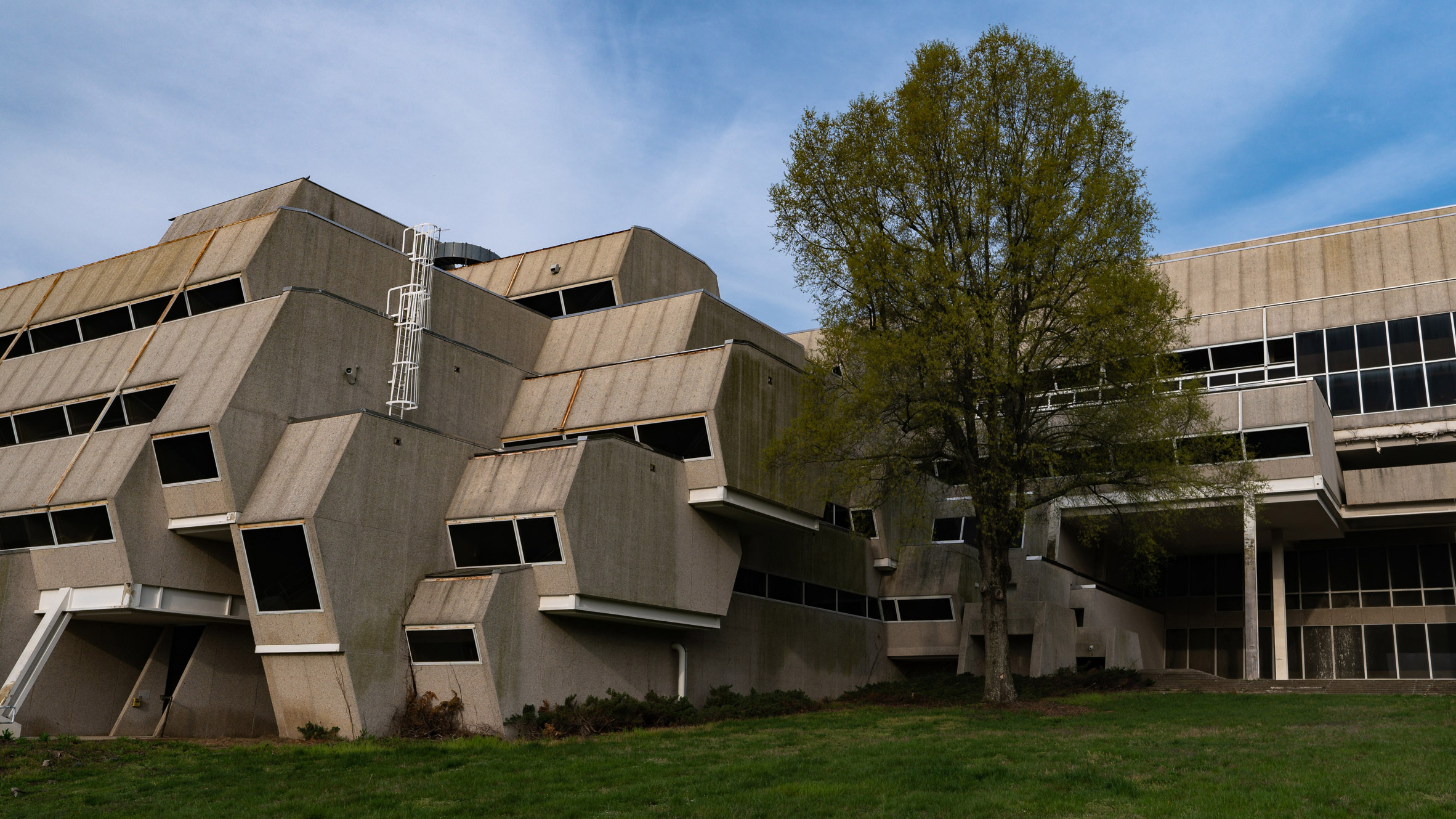
Paul Rudolph drew the Burroughs Wellcome headquarters as a set of hexagons that leaned, and he drew them so that another hexagon could be added later, and another after that, on the theory that a research company does research and that research does not hold still. It was commissioned in 1969, it opened in Durham in 1972, and it was built out of concrete, which is what you choose when you intend a thing to be there in a hundred years. Rudolph designed it, in Dezeen's flat phrase, "to be adaptable, with hexagonal volumes that could be added to over time." In January 2021 the machines hauled it off by the truckload.
The reason given was that it was obsolete.
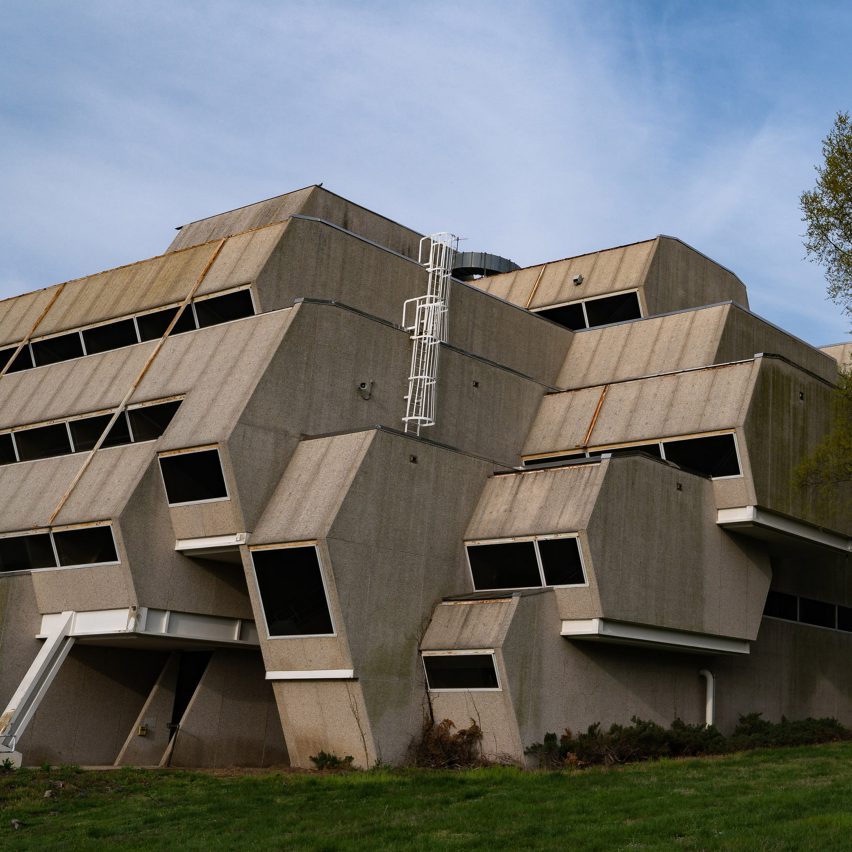
United Therapeutics, which got the site in a land deal with GlaxoSmithKline, had at one point meant to keep it. Then the studies came back. "After conducting exhaustive studies, we have concluded that the building is unsafe, not environmentally sound, and functionally obsolete," a company spokesperson told The News and Observer, quoted in Dezeen. Part of it had come down in 2014. The permit for the rest arrived in September 2020.
Sit with the phrase for a second. Functionally obsolete. It is a term of art, it lives in appraisals and tax filings, and it means the building can no longer do the job the market currently wants done. It does not mean the frame failed. It does not mean the concrete let go. It means the floor plate is the wrong depth for the wrong kind of lab, and the chases were sized for a different century of air handling, and nobody on the buy side wanted to pay to find out how hard that would be to fix.
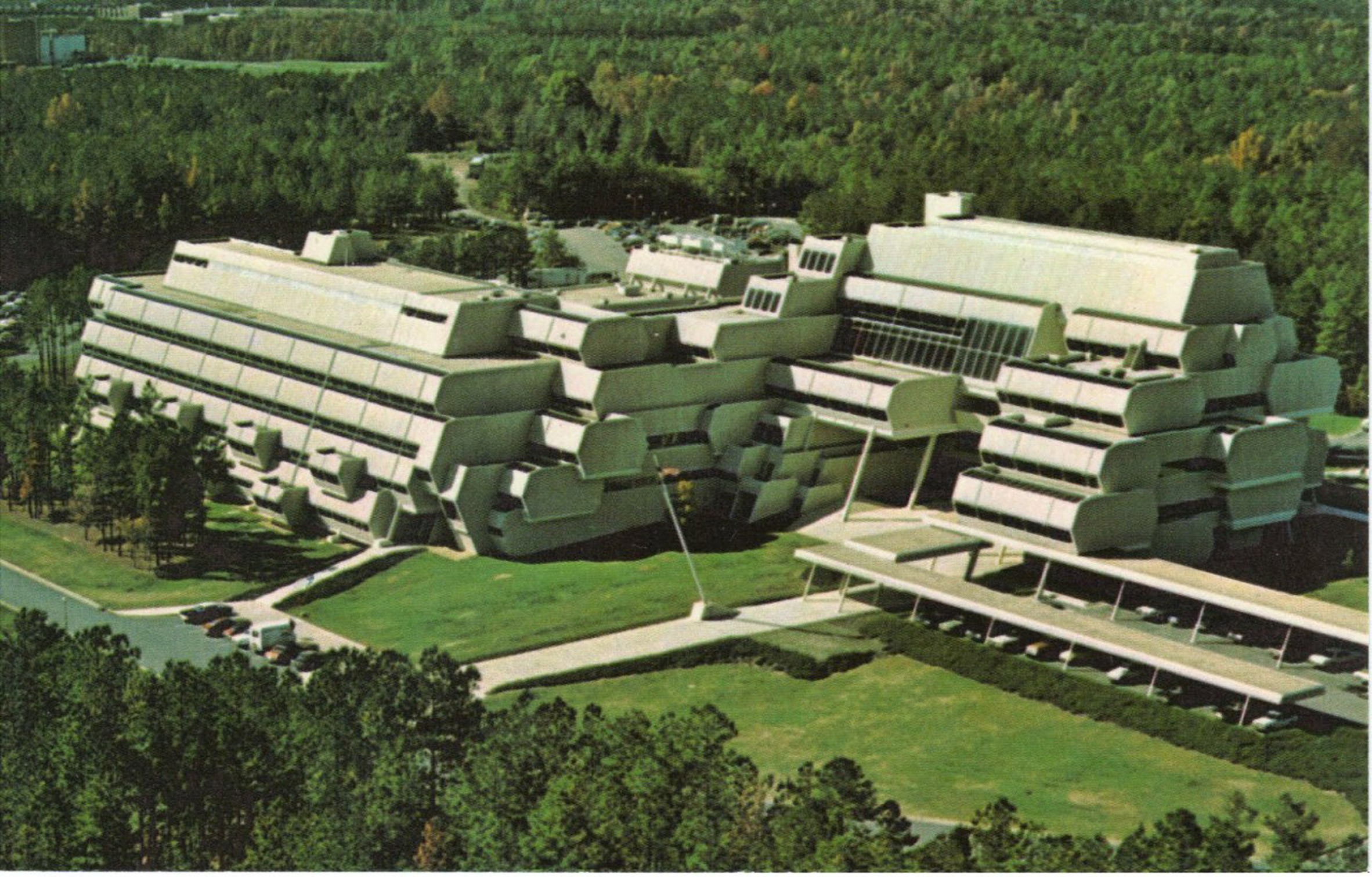
We should be honest about the ambiguity, because it is where the argument actually lives. Rudolph's growth logic was a formal system, not a construction one. The hexagons could accept another hexagon in plan the way a honeycomb can, and that is a beautiful idea, and it is also an idea about geometry rather than about ductwork, conduit, floor-to-floor heights, and who has to cut into what. Extensibility drawn in plan is a promise. Extensibility in an assembly is a set of joints somebody has to design and label and leave accessible. Most megastructures of that decade made the promise. Very few made the joints. That gap is the honest indictment, and it is not the one the preservation fight ran on.
The foundation's counter-argument was the good one anyway. The Paul Rudolph Heritage Foundation pointed out that the studies had not priced the carbon in the demolition against the carbon in a renovation, and had not priced the cultural loss at all. "The destruction of Burroughs Wellcome is a deep wound to this country's cultural heritage," it wrote. A concrete frame is a bank of embodied energy, already spent, already standing, and knocking it down to build something greener is a trade most spreadsheets are not built to see.
Dezeen's readers split the way you would expect. "Ironically, one would think that brutalism's main material, concrete, would be too permanent a material to demolish, but here we are losing another one," wrote a commenter called Puzzello. Marc Sicard went the other way: "I would say good riddance to this eyesore." Both describe the same wall. One is describing what it cost to make. The other, what it feels like to drive past.
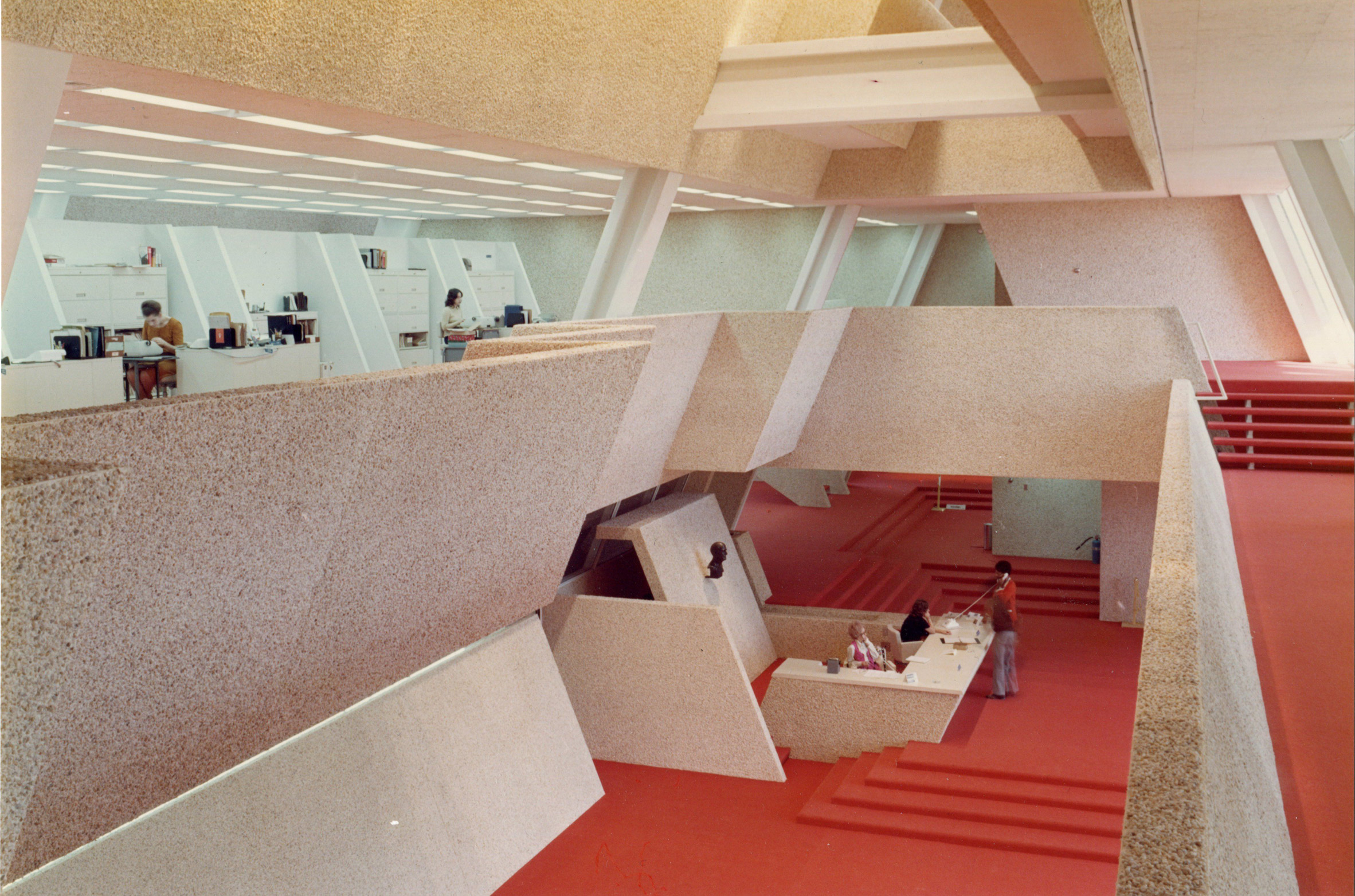
The part that stays with us is not architectural. It is what happened inside those rooms. AZT was developed in that building, the first antiretroviral approved for HIV, and the company priced it at ten thousand dollars a patient per year, out of reach of most of the people who needed it to stay alive. In 1989 ACT UP activists got inside the Rudolph-designed headquarters and barricaded themselves in an office, and the price came down to six thousand four hundred. The building had been renamed the Elion-Hitchings Building in 1988, for two chemists who won the Nobel that year.
So in about eighteen months at the end of the eighties, one concrete building housed a Nobel, a drug that kept people breathing, a price that killed people anyway, and a sit-in by the people the price was killing. It did all of that without commenting. The concrete held the roof up for the chemists and for the executives and for the activists chained to a desk, at the same temperature, in the same light, and when the trucks came it did not resist that either.
This is why the word obsolete lands so badly. A building's use is the most temporary thing about it. Programs turn over every fifteen years, tenants every five, the drug pipeline faster than either. The concrete was the long-term commitment and the program was the short one, and we retired the long-term thing for failing to keep up with the short. Rudolph knew that shape of problem, which is why he tried to draw a frame that could keep going without him. He was not sentimental and neither are we: half of what he built has proven hard to love, hard to heat, and hard to sell. The buildings are not innocent.
What CP takes from Durham is narrower than a preservation slogan. If you want a building to be extendable, extendability has to appear in the detail set, not in the parti. A labeled joint, a chase with room in it, a bolted connection rather than a poured one, a wall you can open without demolishing the one behind it. Otherwise "designed to grow" is a caption, and captions do not survive an appraisal.
The hexagons are gone. The drawings are not. Somewhere in an archive there is a section through a building trying to solve a problem we have not solved, and we are still pouring concrete like it will last forever, and still writing programs like they will last five years, and still surprised when the two disagree.
Sources & Credits
- India Block, "Demolition of Paul Rudolph's Burroughs Wellcome building underway in North Carolina," Dezeen, 27 January 2021. https://www.dezeen.com/2021/01/27/demolition-of-paul-rudolphs-burroughs-wellcome-building-underway-in-north-carolina/
- "Commenter says demolition of Burroughs Wellcome building is 'the right decision'," Dezeen, 2 February 2021. https://www.dezeen.com/2021/02/02/burroughs-wellcome-building-demolition-comments-update/
- "demolition starts on paul rudolph's burroughs wellcome building in north carolina," designboom, 21 January 2021. https://www.designboom.com/architecture/demolition-paul-rudolph-burroughs-wellcome-building-north-carolina-01-21-2021/
- Photography: courtesy of Paul Rudolph Heritage Foundation, via Dezeen, https://www.dezeen.com/2021/01/27/demolition-of-paul-rudolphs-burroughs-wellcome-building-underway-in-north-carolina/