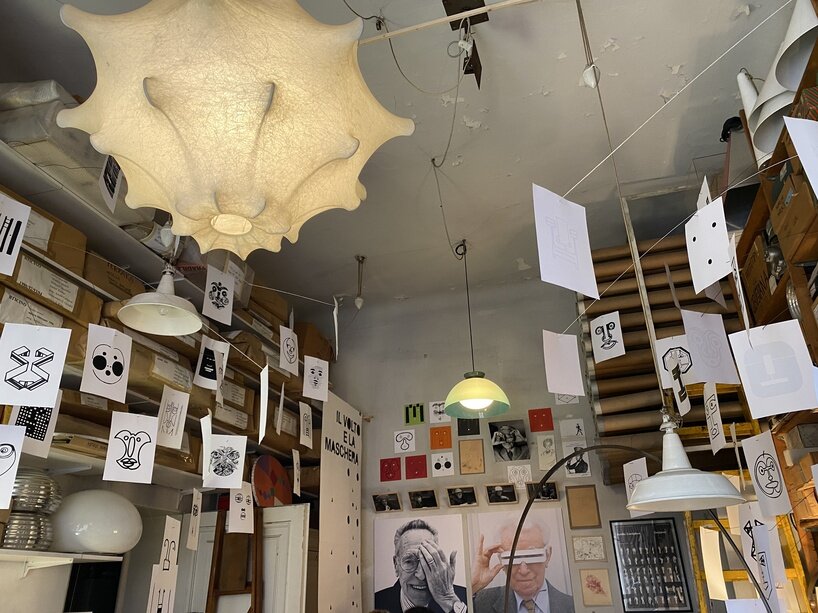
The Curling Stone in the Studio
In Achille Castiglioni's old studio on the edge of Parco Sempione in Milan, among the drafting tables where some of the most rigorous objects of the twentieth century were worked out, there is a curling stone. There are also sunglasses, and gadgets, and gizmos, and what designboom's Annalise Kamegawa, walking through it this month, calls a "treasure trove of trinkets that were squirreled away by the architect." A visitor could reasonably wonder whether all these toys ever found their way into the work, into the chairs and the shelves and the teapots. The co-curator of the Fondazione's new exhibition answers that question fast.
"No!" says Marco Marzini, who curated "Achille and Bruno, Free to Play," the Fondazione Achille Castiglioni's 2026–2027 exhibition, in the designboom piece. "But he collected and preserved countless toys both in his studio and at home, for personal amusement and as design inspiration, but also to play with his children and friends."
Read that answer again, because the whole show is inside it. The toys never entered the catalogue. The toys built the man who built the catalogue.
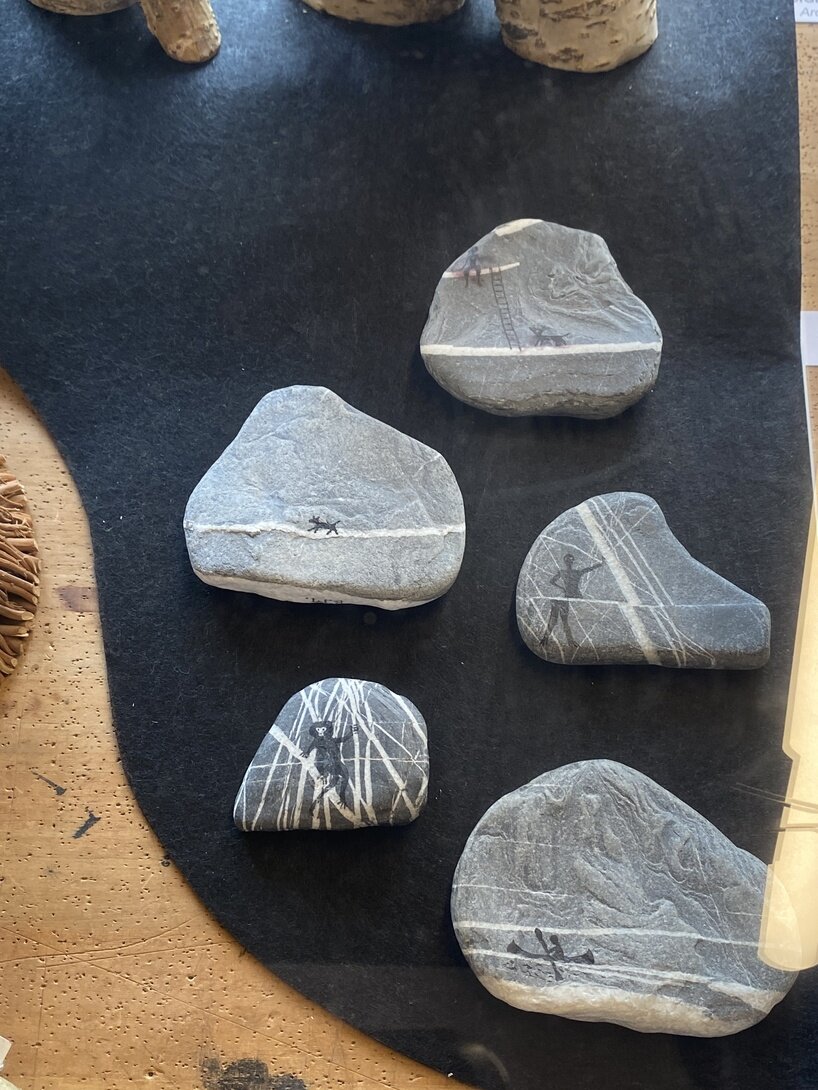
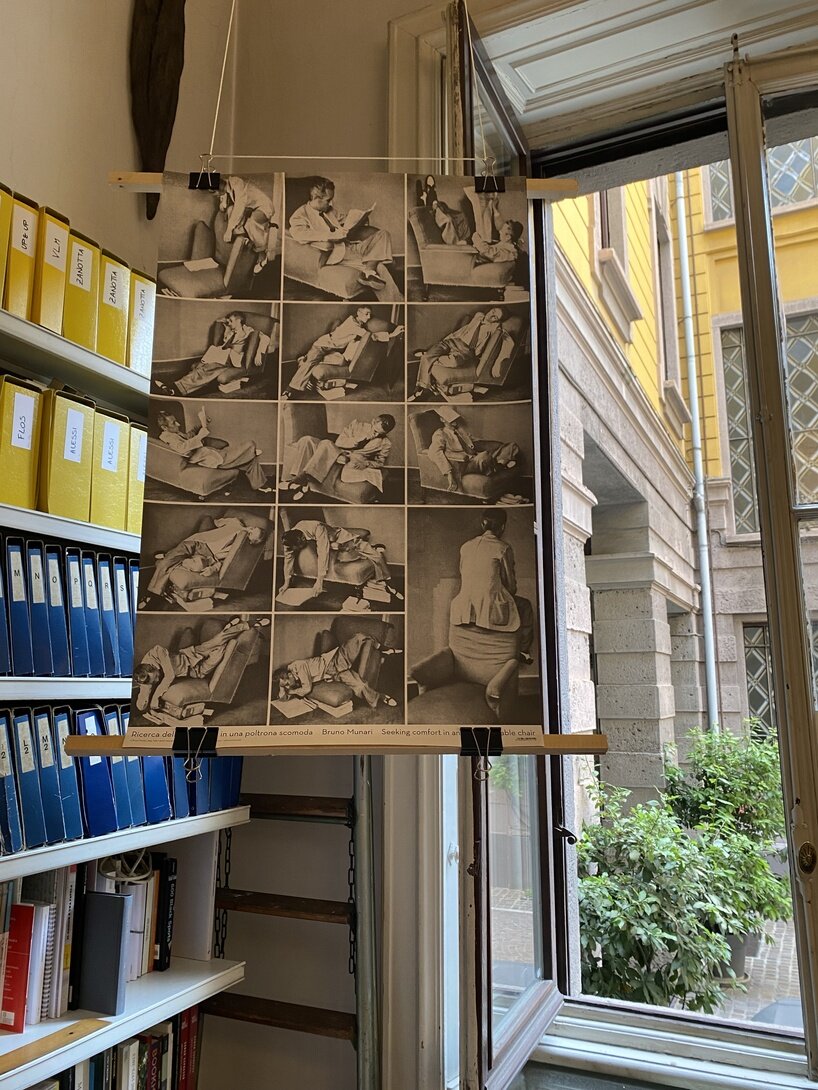
This year the Fondazione sets Castiglioni's playthings in dialogue with the work of Bruno Munari, his contemporary, the man who once fed sheets of paper into a photocopier and moved them while the machine was still thinking, and called the results Xerografie Originali, original xerographies, a title that manages to be both a joke and a legal argument at the same time. The show revisits those, per designboom, along with Castiglioni's beloved collection of glasses. Two grown men, both giants, both famous for discipline, and the exhibition about them is an exhibition of toys. Somewhere a design school should be nervous.
We keep Castiglioni on the short list of people this studio answers to, and this exhibition is the reason why, even though the reason is easy to misread. "Playful design" has become a genre, and mostly it is a styling move: the wiggle mirror, the crayon colorway, the chair that grins at you from the showroom and has nothing further to say. That is play as decoration. Castiglioni's play ran the other direction. He picked things up. He kept what taught him something. A bicycle seat became a stool, and a tractor seat became another one, and neither of those is a gag, because the seat had already spent decades learning the shape of a working human body and Castiglioni was humble enough to accept the lesson. The joke object and the serious object came out of the same drawer. The drawer was the method.
There is a word for what he was actually doing with the curling stone and the sunglasses and the gizmos, and the word is observation. A toy is an object with every excuse stripped away: nobody needs it, nobody is impressed by it, it either delights the hand or it goes in the bin. That makes the toy shelf the most honest materials library in the building. A designer who studies how a tin bird hops is studying weight, tolerance, spring, and surprise, which is to say he is studying exactly what he will need on the day somebody asks him for a lamp. The man was paying attention, all the time, to the small dumb wonderful things people actually touch. That attention is the whole inheritance.
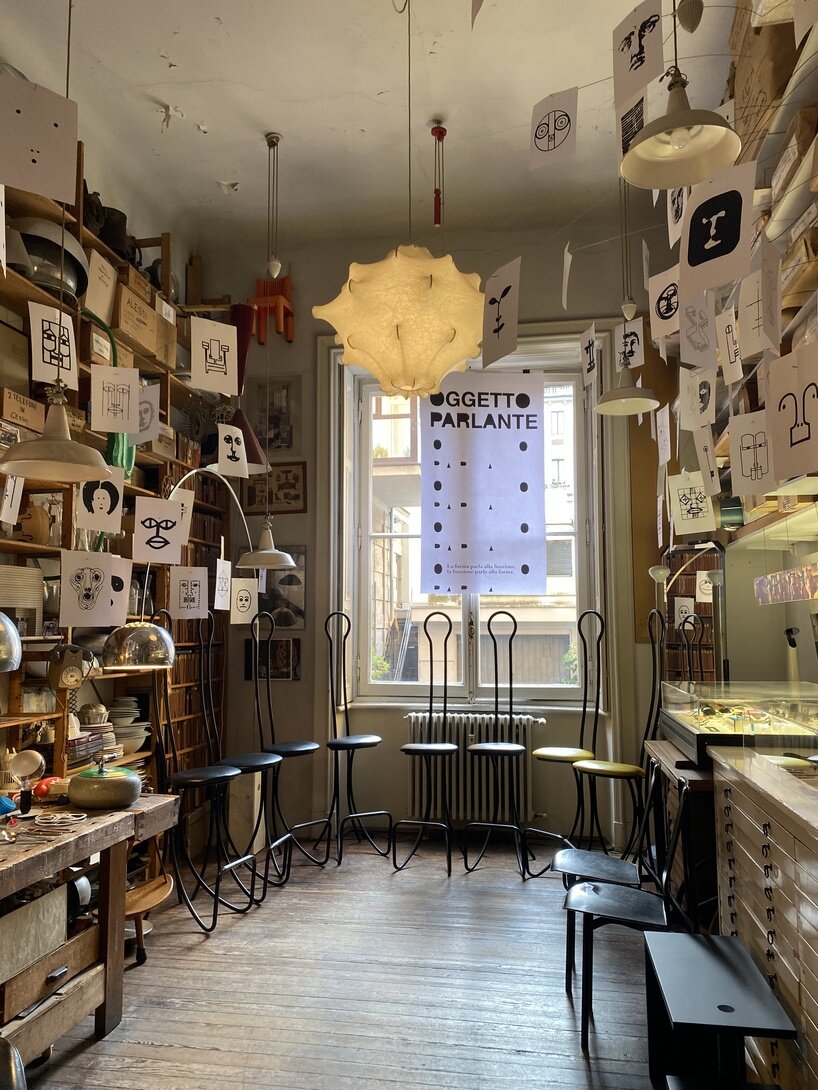
Architecture could stand to hear this now, at a moment when seriousness has become a finish, applied like the gray paint. We have all seen the monograph face, the render with the lone figure and the fog. Castiglioni and Munari are a reminder that rigor and delight are not enemies and never were: the precision is what makes the delight land, and the delight is what the precision is for. A person picks up a fork, or flips a switch, or sits down on something shaped like a tractor seat, and for one second the world is slightly better organized and slightly funnier than it needed to be. That second is the product.
The toys were never in the work. They were how the work got made. And the curling stone is still in the studio, which tells you the Fondazione understands what it is guarding.
Sources & Credits
- Reporting and quotations: Annalise Kamegawa, "achille castiglioni and bruno munari knew how to have a good time," designboom. https://www.designboom.com/design/achille-castiglioni-bruno-munari-good-time/
- Exhibition: "Achille and Bruno, Free to Play," Fondazione Achille Castiglioni, Milan, 2026–2027. Co-curator: Marco Marzini.
- Photography: Annalise Kamegawa, via designboom. https://www.designboom.com/design/achille-castiglioni-bruno-munari-good-time/