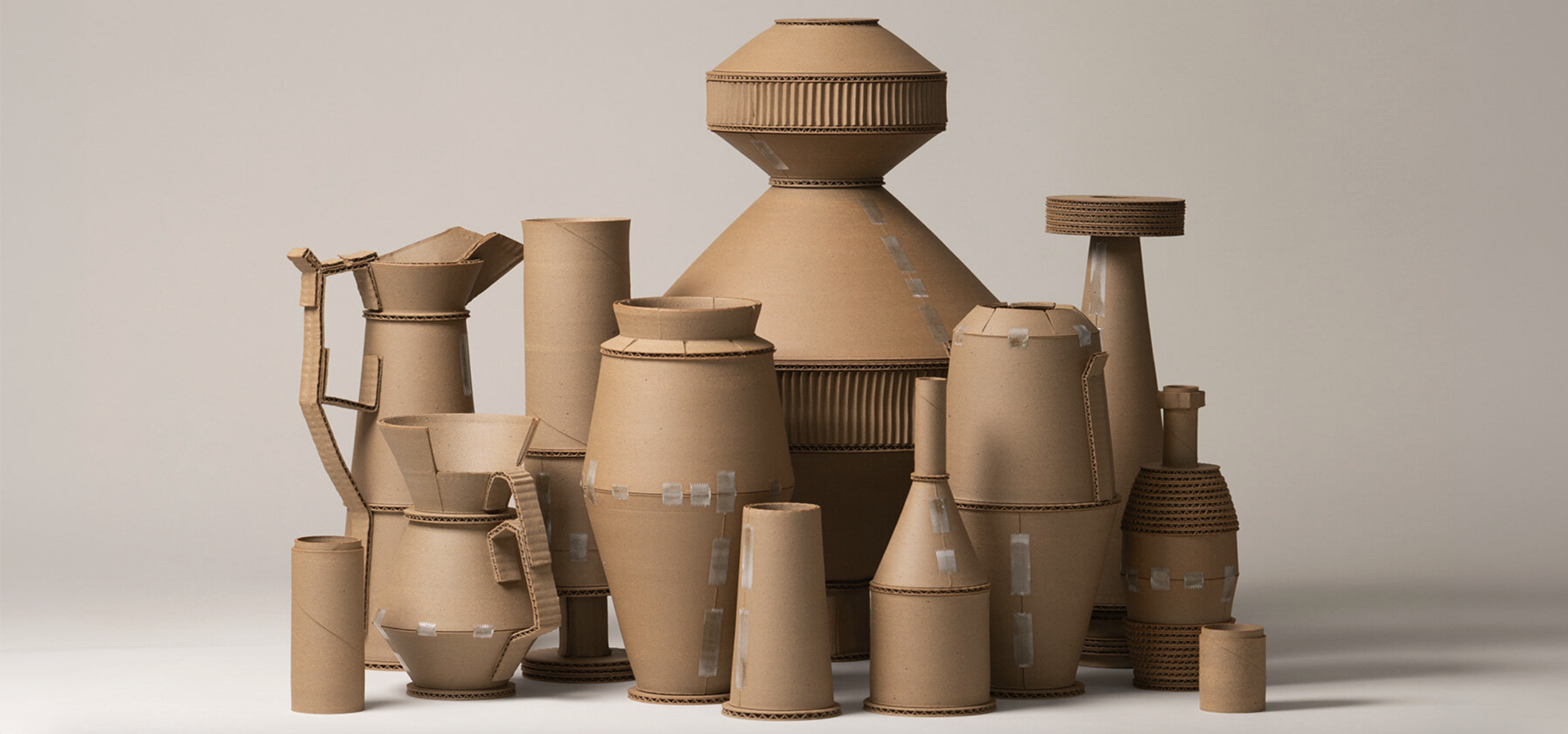
Every few years the design industry rediscovers craft the way a family rediscovers the good china, and there is a flurry of panels and pavilions and a great deal of talk about the human touch, and then the china goes back in the cabinet and everyone returns to ordering the cheap stuff by the pallet. So you could be forgiven for flinching when designboom closes its Crafting the Future series by looking back at how, in its words, "making emerged as a form of research." Here we go again, you think. Another eulogy for the hand.
Read it, though, and the thing underneath the trend word is not nostalgia. It is an argument about how anyone knows anything.
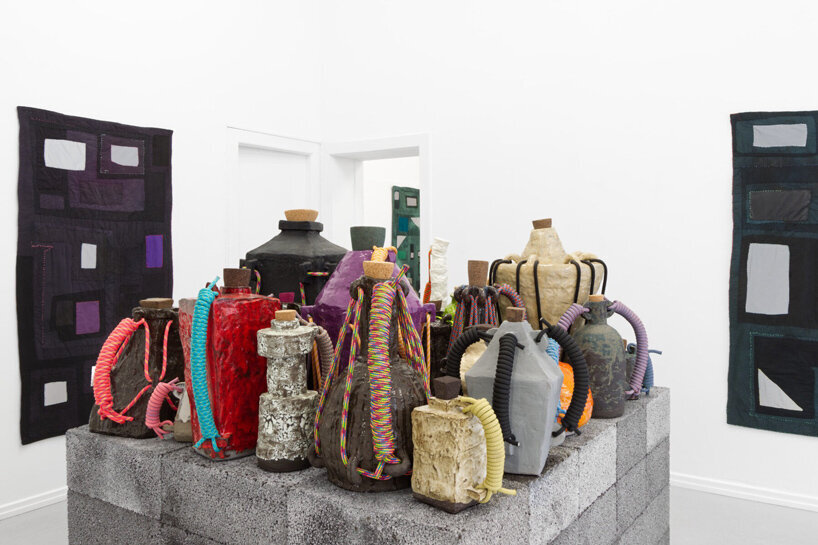
The claim designboom keeps circling is that craft has stopped being a way of preserving the past and become a way of thinking through the present. Making, it writes, carries "generations of knowledge while remaining open to experimentation." That sounds like a slogan until you sit with it. It means the knowledge is in the doing. It is not in the brief, and it is not in the render, and it is not in the beautiful PDF that goes to the client. It is in the wrist that has bent the tube a thousand times and knows, without measuring, how far the steel will go before it kicks back.
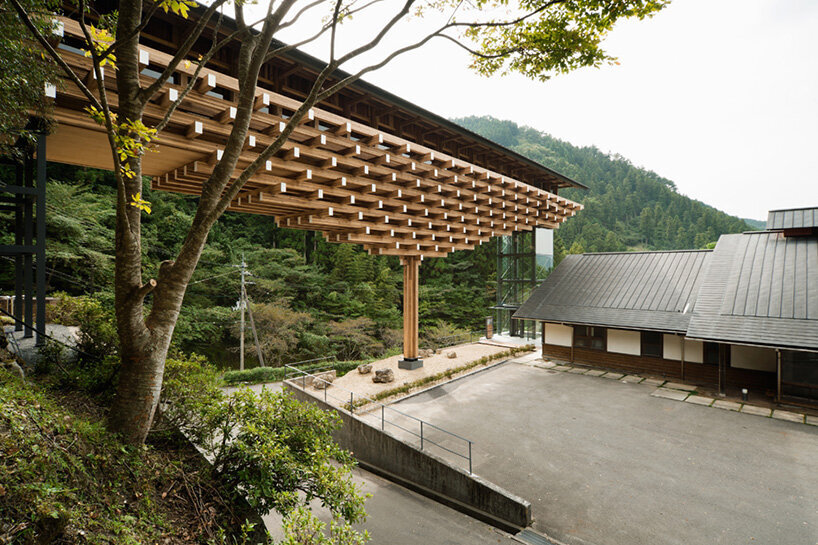
Kengo Kuma, talking to designboom, describes craftsmanship as a way of "building deeper connections between architecture and place." He would know. His whole body of work is an argument that a building learns its manners from the material it is made of and the hands nearby that know how to work it. Alberto Cavalli, in the same retrospective, calls it "the enduring intelligence of the hand," which is a lovely phrase and also a precise one. Intelligence. Not sentiment, not heritage, not warmth. Knowledge that happens to live in the fingers.
We believe this at Common Projekts, and we did not arrive at it through a panel discussion. We arrived at it the way everyone does, by getting something wrong on site and watching a person who had done it before get it right.
Consider the lineage we work from. Marcel Breuer did not begin as an architect. He began at a bench in the Bauhaus carpentry workshop, and the tubular steel chair that carries his name came out of a bicycle frame and a hunch about how far a cantilever could reach before your body told you it was safe. He learned the material by bending it, not by drawing it. Tadao Ando pours concrete you want to touch, and the reason it looks like that is not a specification. It is formwork built by people who treated the plywood mold as the actual work, because the wall can only ever be as good as the box you pour it into. The hand knew first. The drawing came to catch up.
This is the part the software age keeps forgetting. We can model anything now. We can rotate it, light it, walk through it before a single footing is dug, and all of that is genuinely useful, and none of it knows what wood smells like when the blade is about to bind. Fernando Laposse, in the designboom piece, makes the point another way. He describes craft as "rooted in relationships with communities rather than objects alone." The object is the residue. The knowledge is the network of people who can still make it, and that network is not backed up anywhere. When the last person who knows how to do a thing stops doing it, the thing is gone, no matter how many photographs survive.
That is the quiet emergency under all the celebration. The Visteria Foundation, cited in the same retrospective, talks about "nurturing new generations of makers," which is the polite institutional way of saying that the knowledge is leaking out of the world and someone has to pour it into younger hands before the vessel is empty.
None of this is an argument against the machine. We use the machine every day. It is an argument about where to keep the authority. The render is a proposal. The hand is a verdict. When the two disagree, and on a good project they disagree constantly, the honest move is to go stand next to the person holding the tool and ask what they are seeing that the screen did not.
Craft, read this way, is not a finish. It is a form of attention, paid by people who have done a thing enough times to be trusted with the next one. You can put that on a panel and call it the future if you like. It was also the past. It was always just the hand, knowing first, and waiting for the rest of us to write it down.
Sources & Credits
- designboom, "what we learned: crafting the future," designboom architecture & design magazine. https://www.designboom.com/design/what-we-learned-crafting-the-future/ (quotes from Kengo Kuma, Alberto Cavalli, Fernando Laposse, and the Visteria Foundation as reported by designboom).
- Photography: Courtesy designboom, via designboom. https://www.designboom.com/design/what-we-learned-crafting-the-future/