The Seal You Cannot Reach
Unscrew the lid of whatever reusable bottle is on your desk and look at the underside of it. There is a gasket in there, seated in a channel, and the channel has a corner, and the corner has never once been dry since the day you bought the thing. You have rinsed it. You have run it through the dishwasher. It is still in there.
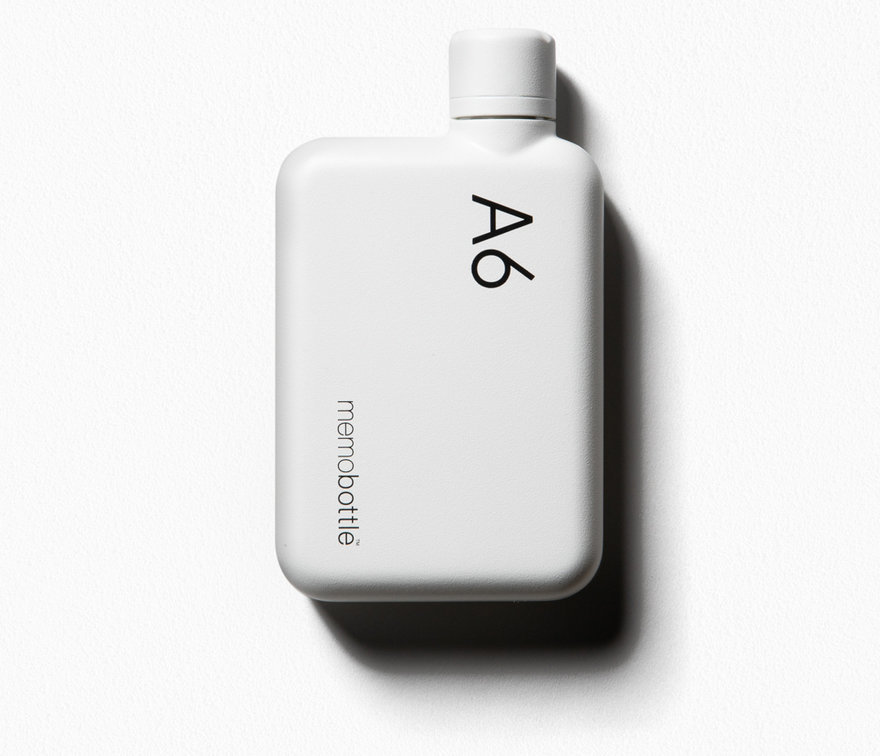
Memobottle, an Australian company that made its name on flat bottles that slide into a crowded bag, has been thinking about this. Writing up their new cylindrical bottle at Core77, Rain Noe quotes the company's own description of the category they were trying to leave: lids are full of "seals, channels and tight corners that were never designed to come apart. Water sits in them. Mould grows in them. And no amount of rinsing gets it out."
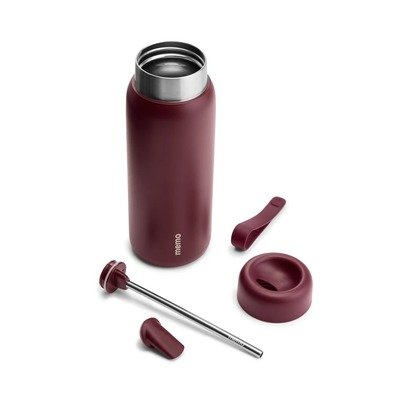
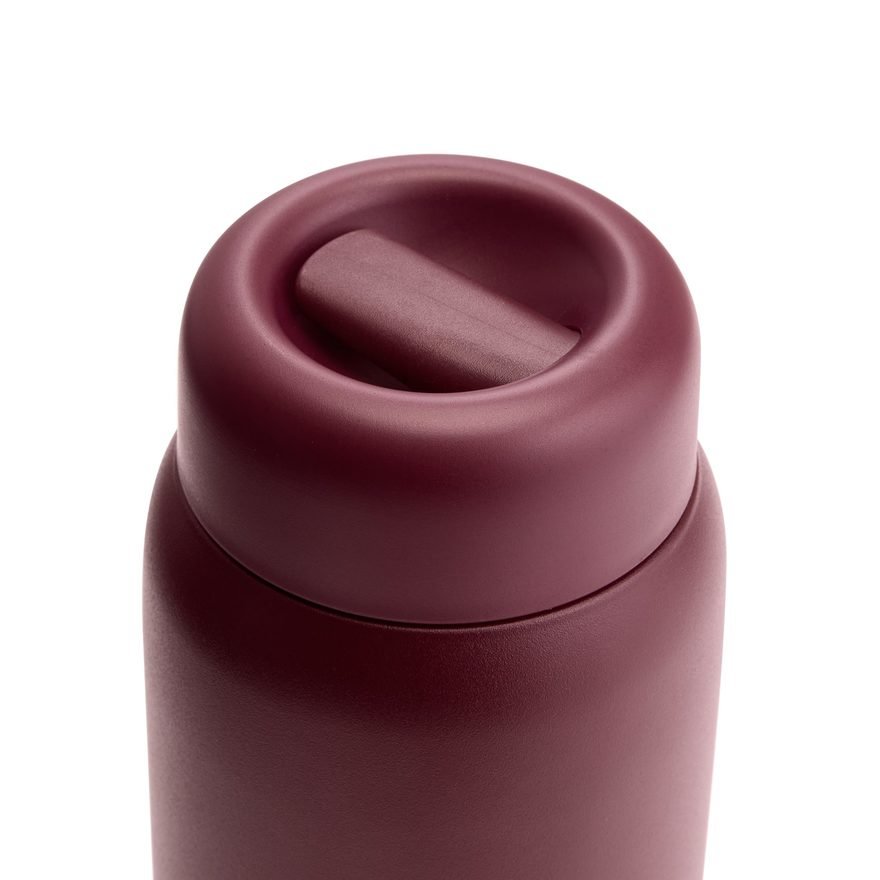
So they built a lid that does come apart. Three pieces, three seconds, by their account: the mouthpiece, the lid itself, and an internal plug that holds the mouthpiece and the steel straw. Every surface that touches water can be got at with a cloth and then dried. The mouthpiece swings between drinking and stowed and clicks at each end so you know which one you are at.
It is a small thing and we would like to make rather a large claim on the back of it.
The claim is this: a detail that cannot be taken apart has not been simplified. It has been sealed. Those are different operations and only one of them is design.
We know this because we draw the building version of that lid constantly, and so does everyone else. The shower pan with the waterproofing lapped up behind tile, which is perfect for eleven years. The curtain wall gutter sitting behind a pressure plate, designed to drain, sized for water, never sized for the leaves and the grit and the dead wasps that actually arrive. The slot drain at a flush threshold, which is the detail every client wants and the detail that nobody can clean once the furniture is in. The linear diffuser recessed into a plaster shadow gap, pulling air across an edge that collects a felt of dust nobody will ever see and everybody will eventually breathe. The shadow reveal itself, that beautiful quarter inch of nothing, which is a trough.
Each one of those is a decision to put a maintenance problem somewhere a hand cannot go, in exchange for a line that looks quiet in a photograph. We make that trade. We have made it this month. The point is not that it is always wrong. The point is that it is a trade, and that it usually gets made without anyone saying out loud what is being traded, and that the bill arrives in year six rather than month nine, which is to say it arrives for the owner rather than for us.
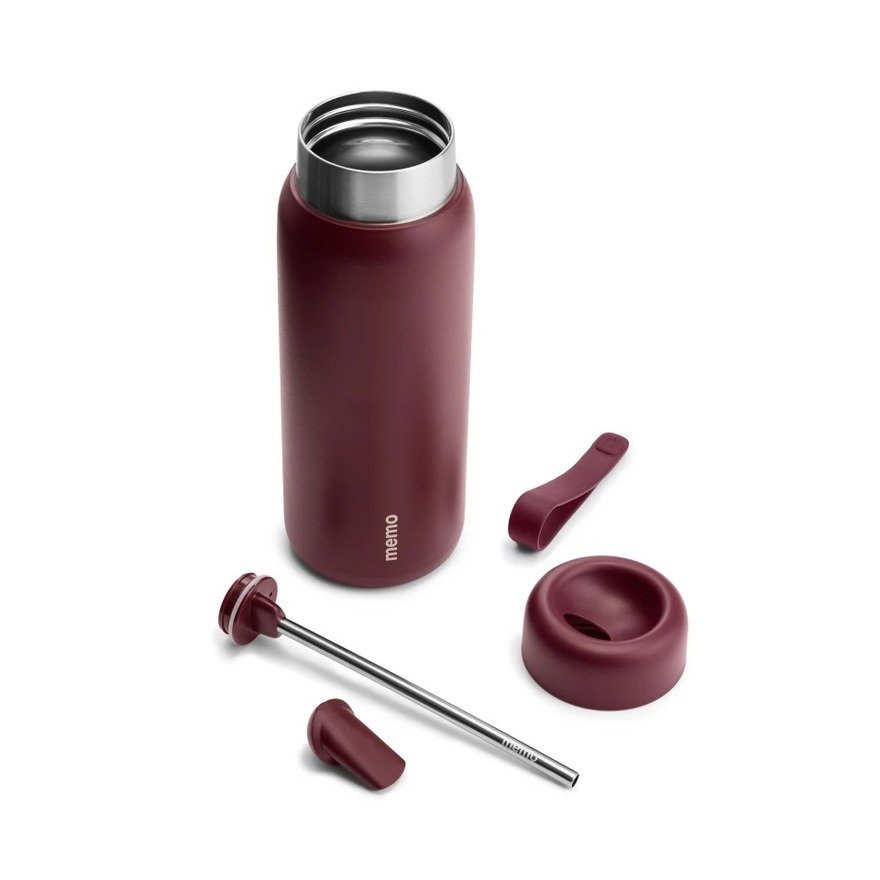
Now the puncture, because the lid deserves one too. "Three pieces, three seconds" is a marketing number and it is doing marketing work. What Memobottle actually did was not invent a cleverer seal. They deleted parts. Fewer components, each one shaped so it can be pulled out by a thumb, which is the oldest and least glamorous move in the trade. Nobody gets a design award for subtraction, because subtraction does not photograph as innovation, it photographs as nothing. And yet it is the harder way to arrive, and a company that gets there has usually had to kill somebody's favourite feature to do it.
Which is the honest connection back to the buildings we care about. The modernist promise, the real one underneath all the manifestos, was that the structure would be the finish and there would be no cavity in between for things to go wrong in. Ando pours a wall and the wall is the wall, with nowhere inside it for water to sit. Rudolph combed his concrete into ridges and left it, and the surface you can see is the surface that is doing the work. There is no plenum in those buildings to go bad because there is no plenum.
Then we should be fair, because those buildings leak too. Concrete cracks. Flat roofs fail. Waterproofing is the one layer that decides whether a building survives and the one layer nobody photographs, and the canon has plenty of monuments with buckets in the basement. Honesty about assembly does not exempt you from physics.
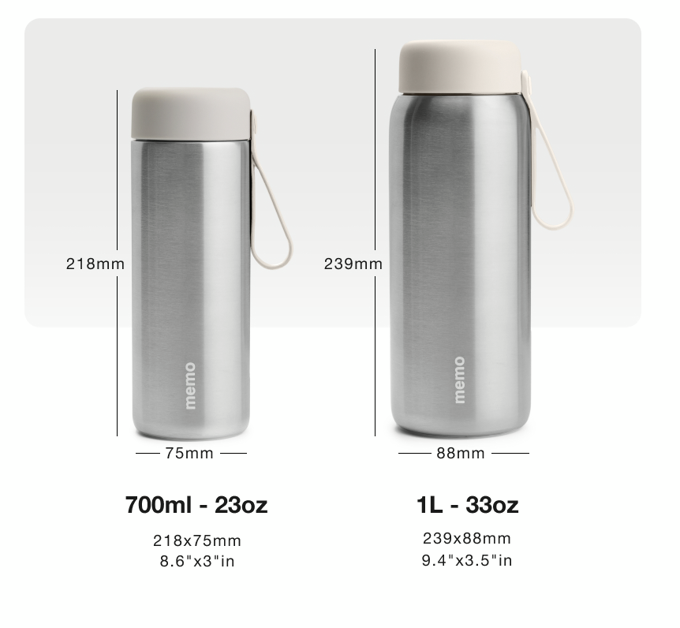
What the lid offers is narrower and more useful than a principle. It is a test you can run at a desk, on a Tuesday, against a detail you are about to issue. Can a person reach the part that will go wrong. Not a technician with the building open. A person, with a cloth, on an ordinary day, without taking anything apart that was not meant to come apart.
If the answer is no, the detail is not finished. It is just closed.
A designer will tell you the demountable joint is uglier, and the designer is right. A visible fastener is uglier. A split line is uglier. The gap that lets you get a thumb in is uglier than the one that does not.
Build the uglier one.
Sources & Credits
- Rain Noe, "Memobottle's Easy-to-Clean Water Bottle Lid Design," Core77. <https://www.core77.com/posts/145650/Memobottles-Easy-to-Clean-Water-Bottle-Lid-Design> The quoted passage on seals and channels is Memobottle's own copy, as quoted by Noe.
- Memo Round by Memobottle, funded via Kickstarter.
- Photography: uncredited product images, via Core77, <https://www.core77.com/posts/145650/Memobottles-Easy-to-Clean-Water-Bottle-Lid-Design>